


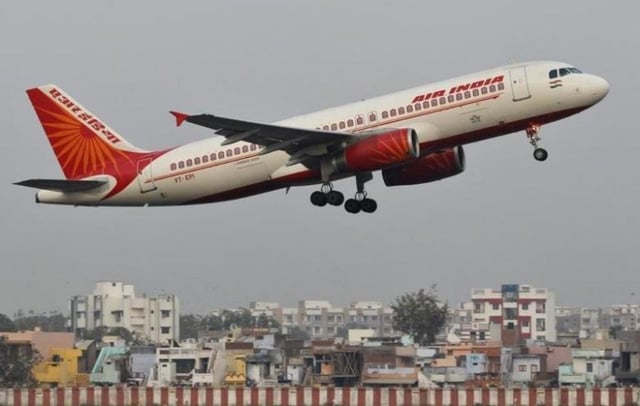
The recent Air India investigation has unearthed startling details concerning a critical incident that brought air safety back into the spotlight. The inquiry into the aircraft accident has revealed fuel cut-off in both engines, a revelation that has prompted a critical assessment of operating procedures and safety protocols.
Findings of the Investigation
The investigations have confirmed that a fuel supply failure was responsible for the dual engine shut-down during the flight. This shocking discovery has raised concerns over the maintenance and management procedures in place at Air India. The failure in the fuel system caused both engines to malfunction, ultimately leading to the incident. The affected flight was in a precarious situation that could have resulted in a more serious outcome.
While the aircraft’s technical crew managed to manage the situation efficiently, preventing any casualties, the event has sparked widespread debate over aviation safety standards. Questions have been raised about whether more rigorous checks in aircraft maintenance could mitigate risks such as these.
Impact on Air Safety Standards
This incident has amplified the discourse around air safety and maintenance protocols. Airlines are now being prompted to revisit their safety measures to ensure such incidents do not recur. Regulatory bodies are particularly keen to investigate whether the problem is isolated or indicative of systemic issues across the airline industry.
Moreover, there is an increased call for transparency and better communication between airline companies and aviation authorities. The aim is to ensure that issues like fuel system failures are promptly addressed and adequately rectified. Enhancements in routine maintenance checks and improved training for technical staff are seen as possible areas of improvement.
Industry Reaction
The airline industry has been under scrutiny, with stakeholders pressing for immediate actions to ensure passenger safety. Aviation experts emphasize that while modern aircraft are equipped with sophisticated systems to handle emergencies, preventative measures are paramount. The incident has led to a broader discussion on the role of technology and human error in aviation safety.
Furthermore, consumer confidence has been impacted, prompting airlines to re-establish trust through rigorous adherence to safety protocols. The industry’s response will be critical in regaining the passengers’ trust as safety concerns continue to shape traveller perceptions and decisions.
To that end, Air India and other airlines are now waiting for the final recommendations from aviation authorities to adopt more stringent safety practices. The goal is to reinforce preventive measures and guarantee the highest standards of safety for all flights.
This episode serves as a sobering reminder of the complexities and challenges inherent in aviation safety, and the ongoing commitment required to keep passengers safe in the skies.