


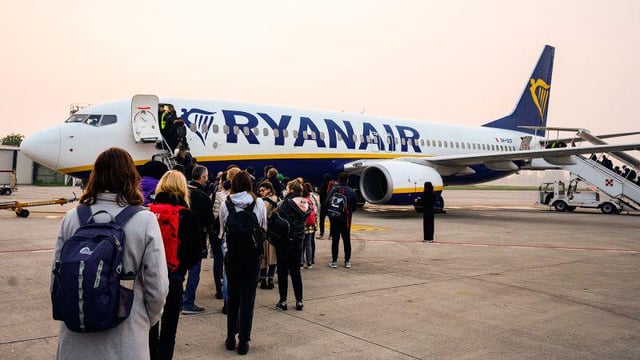
Europe’s leading airline is considering an innovative approach to manage oversized carry-on bags by rewarding its employees. This strategy comes in response to the increasing number of passengers attempting to bring larger-than-allowed luggage onto flights, a trend that has caused disruptions and delays. The airline aims to streamline boarding processes and improve passenger experience by offering incentives to staff members who successfully identify and manage these baggage issues.
Addressing Baggage Challenges
The issue of carry-on baggage has long been a challenge for airlines worldwide. As more travelers opt for the convenience of carry-on luggage, airlines face the task of enforcing size and weight limitations to ensure efficient boarding and cabin space management. Overpacking has led to cabin storage complications, forcing some passengers to check their bags last minute, causing delays.
The airline’s new policy aims to tackle these challenges head-on. By involving employees more actively in the baggage screening process, the airline hopes to enhance operational efficiency and reduce the time needed for boarding and disembarking. It’s poised to be a game-changer in airline operations, setting a possible precedent for other industry players.
Incentivizing Staff Participation
The incentive program focuses on crew members who work directly with passengers during the boarding process. These employees will be trained to quickly and accurately assess whether bags meet the airline’s regulations. If a staff member identifies a bag that exceeds the permitted dimensions or weight, they will receive a reward for their diligence.
In particular, the airline plans to compensate employees through a points-based system. This initiative not only motivates staff but also promotes a sense of responsibility and ownership over the boarding process. The points could potentially be redeemed for various rewards, including additional vacation days, gift vouchers, or even monetary bonuses.
Training and Implementation
Implementing this new program involves comprehensive training sessions for staff members. These sessions are designed to help employees recognize oversized luggage quickly and deal with any resulting passenger dissatisfaction professionally. Ensuring that employees feel supported and confident in their roles will be critical to the program’s success.
Impact on Passengers and Operations
For passengers, the increased scrutiny could initially lead to more frequent checks and, possibly, the inconvenience of checking in a bag they planned to carry on board. However, in the long term, the airline anticipates this will lead to smoother boarding processes and fewer disputes over cabin space.
From an operational standpoint, the streamlined boarding process resulting from this initiative could lead to a shorter turnaround time between flights. This efficiency is crucial for maintaining flight schedules and can significantly enhance the airline’s overall service delivery.
Moreover, by better managing cabin space, the airline can reduce instances of in-flight disputes over luggage space—issues which can negatively impact customer satisfaction and lead to complaints.
Long-Term Implications
If successful, the airline’s reward-based strategy might inspire similar programs across the aviation industry. Other airlines facing similar challenges with oversized carry-on luggage may adopt comparable measures, leading to a potential shift in how carry-on baggage is managed globally.
This approach not only signifies a practical solution to a widespread issue but also highlights the importance of employee engagement in driving operational success. By empowering staff, companies can create a more positive work environment and improve customer service—a win-win scenario for both passengers and airline personnel.
This innovative strategy indicates a proactive approach to problem-solving within the airline industry, showcasing how forward-thinking policies can drive operational efficiency and enhance passenger experience simultaneously. As airlines continue to navigate the complexities of modern air travel, strategies like these offer promising pathways to improved service and customer satisfaction.