


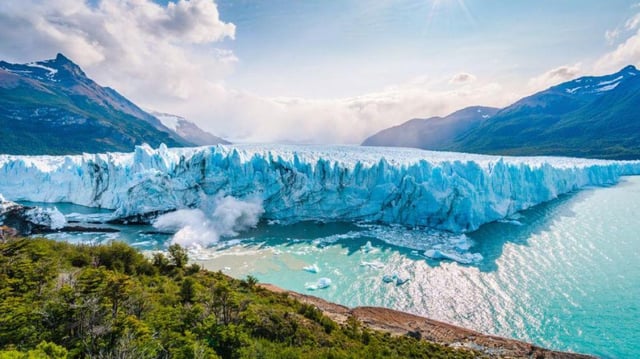
Argentina is once again at the forefront of environmental discourse as a new proposition aims to amend the nation’s existing glacier protection laws. Spearheaded by political figure Javier Milei, the proposal has sparked intense debate across the country, highlighting the complex balance between environmental conservation and economic development.
Understanding the Current Glacier Protection Law
Argentina’s glaciers, located primarily in the Andes mountain range, are crucial freshwater reserves. These icy behemoths play a vital role in water regulation, supporting biodiversity and wildlife habitats, and are essential to the region’s climate balance. Given their significance, Argentina enacted a glacier protection law in 2010, primarily designed to protect these natural resources from industrial exploitation and climate change.
The existing legislation restricts mining and industrial activities within designated glacier zones. It mandates detailed environmental impact assessments and stipulates stringent criteria for any proposed developments. The law reflects Argentina’s commitment to safeguarding its natural heritage, aligning with global efforts to combat environmental degradation.
Milei’s Proposed Amendments
Javier Milei, an influential and outspoken economist and politician, has introduced a proposal to amend the current glacier protection law. Milei argues that the existing regulations are overly restrictive, thus hindering potential economic opportunities stemming from mining activities. His proposal aims to revise the criteria under which industrial operations may occur, potentially opening parts of glacier regions to exploration and extraction activities.
Economic advocates suggest that easing these restrictions could lead to significant economic benefits, such as job creation and increased revenue. Milei’s camp argues that technological advances allow for more environmentally friendly mining methods, which could mitigate potential harms. However, critics remain skeptical about the feasibility of these technologies in preserving rare and sensitive ecosystems.
Support and Opposition
- Economic Prospects: Proponents, including industry representatives and some government officials, believe that revising the law could boost Argentina’s economy. They argue that responsible mining practices, coupled with technological advancements, can coexist with environmental protection.
- Environmental Concerns: Environmentalists and conservationists argue firmly that the glaciers must remain untouched to ensure long-term ecological sustainability. They point to potential risks of pollution and ecosystem disruption that further mining activities could exacerbate.
- Public Opinion: Public sentiment is deeply divided. While some citizens see the economic promise as a lifeline in tough financial times, others fear the loss of a natural treasure that could have more profound consequences if left unprotected.
Implications and Future Direction
The debate over the glacier protection amendment ties into larger global conversations about sustainable development and the responsibilities of nations rich in natural resources. As climate change continues to pose global challenges, the decisions made by Argentina could set a precedent for other countries grappling with similar issues.
Politicians, scientists, and community leaders are calling for more comprehensive studies to understand the potential impacts of any legislative changes. The government, under international scrutiny, is tasked with navigating these tricky waters, ensuring that economic aspirations don’t overshadow environmental imperatives.
The outcome of this legislative initiative could redefine Argentina’s environmental policies and economic strategy. In the coming months, discussions and negotiations will likely intensify as stakeholders from all sides strive to influence the final outcome. Meanwhile, environmental advocacy groups are mobilizing to ensure that any changes to glacier protection laws do not undermine decades of conservation efforts.
As Argentina stands on the cusp of this significant decision, the world watches closely. The ultimate resolution will not only shape the nation’s future landscapes and economy but also influence global perspectives on resource management and environmental stewardship in the era of climate change.