


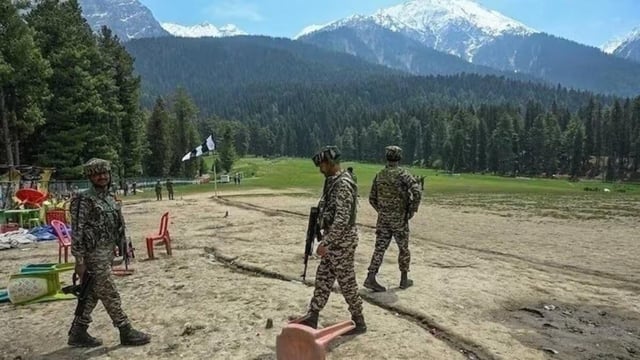
A significant operation unfolded in the picturesque region of Pahalgam, where the army successfully targeted and neutralized individuals suspected of terrorist affiliations. This high-risk military intervention underscores the ongoing challenges faced by security forces in the area, often characterized by its natural beauty and yet plagued by periodic violence.
The Operation Details
In a swift and meticulously planned military action, the Indian army’s counter-terrorism unit engaged in a fierce confrontation with a group of alleged terrorists. Reports indicate that the encounter took place in the dense forests of Pahalgam, a popular destination recognized for its scenic landscapes and a starting point for the annual Amarnath Yatra pilgrimage.
The operation, described by military officials as a decisive strike, resulted in the elimination of three suspected militants. Officials confirmed that the army acted on specific intelligence inputs, leading to the precise location of the operatives who were believed to be planning an attack in the area.
Impact on Regional Security
Pahalgam’s strategic significance cannot be overstated, considering its proximity to vital transit routes and its appeal as a tourist hotspot. The army’s operation is a reminder of the persistent security threats in the region, where militant activities have been a recurring concern, impacting both local communities and visitors.
This incident is part of a broader pattern of military engagements in the Jammu and Kashmir region. It highlights the security forces’ commitment to maintaining stability and safety amidst a challenging environment marked by political tensions and historical disputes.
Historical Context
The Kashmir region has long been a flashpoint for conflicts involving various militant groups with differing agendas. The complexities of territorial claims and the socio-political landscape add layers to the security challenges faced by Indian forces. The continuous efforts to thwart terrorism in the region exhibit the army’s resolve to prevent disruptions that could endanger lives and affect the regional peace processes.
Local Reactions and Future Implications
Local reactions to the operation have been mixed. While there is relief and appreciation for the proactive measures taken by the army, concerns linger about the potential for reprisals and the cycle of violence that often follows such incidents. Community leaders have called for increased dialogue and a strategic approach to long-standing grievances that contribute to unrest.
The successful completion of this operation is likely to boost the morale of security personnel and reaffirm their role in safeguarding the region. However, the underlying issues that fuel militancy remain, demanding ongoing vigilance and a multifaceted approach to security and peace-building.
Tourism and Economic Considerations
Pahalgam’s economy heavily relies on tourism, with thousands flocking to its valleys each year. Ensuring safety and stability in the region is critical for sustaining this vital economic sector. Authorities are keen on promoting the area as a secure destination, emphasizing the army’s capacity to counter potential threats effectively.
Looking forward, collaborations between local administrations, national security forces, and community stakeholders are crucial in fostering a climate of safety and prosperity. Continued investment in infrastructure and support for local businesses could help mitigate the economic impacts of any security-related disruptions.
This recent military operation highlights the intricate balance between maintaining operational security and advancing broader regional development goals. As the situation unfolds, the focus will remain on enhancing peace and stability, ensuring that the region can thrive both socially and economically.