


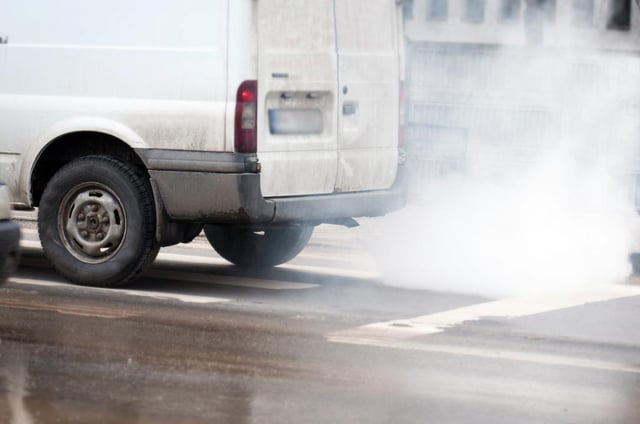
Bucharest, the bustling capital of Romania, is embarking on an ambitious plan aimed at tackling one of its most pressing environmental challenges: air pollution. In a bold move, city authorities have announced a gradual phase-out of pollution-prone vehicles, aiming to significantly reduce the smog that has long plagued the city.
Stricter Regulations for Cleaner Air
The Romanian government has recognized the pressing need to address air pollution, which poses a significant public health risk and contributes to long-term environmental degradation. In an effort to combat these issues, Bucharest’s authorities are setting in motion a plan to restrict access to the city for older, more polluting vehicles.
This new set of regulations will be implemented in phases, gradually tightening the restrictions based on vehicle emissions standards. Cars that do not meet the newer, stringent emission criteria will eventually be banned from entering certain zones within Bucharest.
Impact on Residents and Commuters
This move is expected to have a considerable impact on both residents and the daily influx of commuters who rely on older vehicles. While the initiative is aimed at improving air quality, it has raised concerns among those who argue that it could disproportionately affect low-income individuals who may not have the financial means to upgrade to newer, environmentally-friendly vehicles.
Bucharest’s authorities, however, are keen to mitigate these potential impacts. The government is considering incentives such as subsidies or tax breaks to encourage the transition to greener alternatives. Additionally, plans to enhance public transportation infrastructure are being considered to offer sustainable options for travel within the city.
Environmental and Health Benefits
By reducing vehicle emissions, Bucharest anticipates not only cleaner air but also a significant decrease in respiratory and cardiovascular diseases associated with air pollution. This initiative is expected to contribute to the overall well-being of its residents, making the city a healthier place to live and work.
The plan is consistent with global environmental goals aimed at reducing carbon footprints and combating climate change. Cities across Europe and worldwide have implemented similar measures, proving to be successful in many cases. Bucharest’s efforts align with these global trends, reinforcing the city’s commitment to sustainable urban development.
The initiative represents a pivotal moment in Bucharest’s approach to environmental issues, marking a shift towards prioritizing the health of its citizens and the preservation of its environment. As the phase-out progresses, it will serve as a critical case study for other cities grappling with similar challenges.
In conclusion, Bucharest’s phased elimination of pollution-prone vehicles is a forward-looking strategy that seeks to balance environmental responsibility with the needs of its population. Though challenges remain, the move is a significant step toward a cleaner, healthier future for the Romanian capital. As the initiative unfolds, it will undoubtedly be watched closely by other municipalities eager to replicate its successes in their own urban landscapes.