


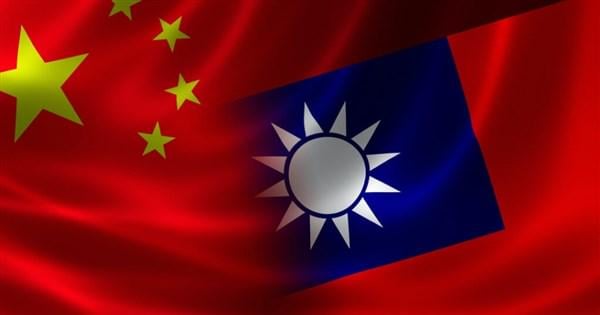
The Chinese government’s alleged use of fabricated news sites and accounts to spread misinformation about Taiwan marks a significant challenge in the realm of global information warfare. This tactic raises critical questions about the integrity of news dissemination and the potential implications for international relations.
The Strategy Behind the Misinformation
China’s approach to misinformation primarily involves creating and distributing fake news through websites that mimic legitimate media outlets. By employing these strategies, China aims to influence public opinion globally. According to experts, the misinformation often targets sensitive geopolitical topics, such as the contentious status of Taiwan.
These fake news websites are crafted with precision to appear legitimate, using familiar formats and layouts that are characteristic of well-known media organizations. The subtlety of this execution makes it difficult for readers to immediately discern the fraudulent nature of the content.
Impact on International Perceptions
The spread of misinformation about Taiwan is intended to sway opinion against the self-governing island, painting it in a negative light. This effort is part of a broader strategy to delegitimize Taiwan’s government and position China’s narrative more favorably in the international community.
The impact of these false narratives can be profound. Misinformation not only distorts global perceptions but also creates challenges for diplomatic relationships and international discussions regarding Taiwan’s sovereignty. The reach of these fabricated stories can extend beyond borders, influencing policymakers, media consumers, and potential allies alike.
Responses and Countermeasures
In response to these tactics, governments and international organizations are enhancing their strategies to combat disinformation. Efforts include the development of sophisticated tools to detect fake news content and the establishment of regulations aimed at holding platforms accountable for the distribution of such material.
Moreover, collaborations between technology companies, media organizations, and governments are critical. By sharing information and resources, these entities aim to undermine the effectiveness of misinformation campaigns and protect the integrity of news consumption.
Educational initiatives also play a crucial role. By promoting media literacy and critical thinking, individuals are better equipped to identify and reject false information, reducing the impact of these campaigns.
The international community’s focus on developing a robust response highlights the urgent need to address the growing challenge of state-sponsored misinformation. As these deceptive practices evolve, the collective response will determine the success in preserving the truth and maintaining stability in global communications.
Ultimately, the fight against misinformation is not only a governmental duty but a societal imperative. By fostering a culture of skepticism and vigilance, the world can better shield itself from the adverse effects of misleading narratives.
The question remains: how will these ongoing efforts reshape the landscape of global information sharing, and what role will technology play in this transformation? As new strategies emerge, staying one step ahead in the information warfare game is critical for safeguarding democratic values and ensuring informed global citizenship.