


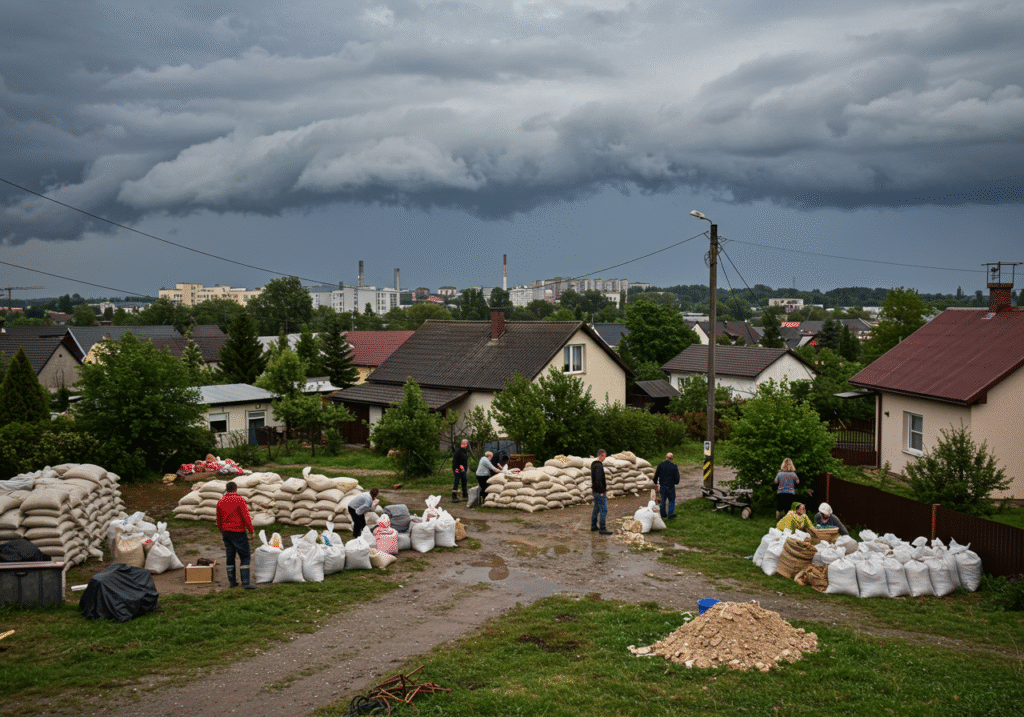
Moravian-Silesian Region Prepares for Potential Deluge
As the Moravian-Silesian region gears up for an intense weather system projected to bring heavy rainfall, local communities are taking preemptive measures to mitigate possible flood risks. Forecasters have issued weather warnings, prompting city and town officials across the area to put their emergency response plans into action. With meteorological predictions indicating a significant accumulation of precipitation, concerns about potential flooding are at the forefront.
Communities Mobilize to Face Weather Challenges
Local governments in the region are actively preparing to face the downpour with a focus on minimizing damage and ensuring public safety. Municipal crews are working tirelessly to clear drains and culverts to prevent blockages that could lead to urban flooding. Roads are being inspected, and barriers are being readied to redirect excessive water flow, ensuring that transport links remain open during the deluge.
Officials are also coordinating with emergency services to streamline communication and improve the efficacy of their response strategies. Volunteer networks are on alert, prepared to offer assistance to vulnerable populations, such as the elderly or those living in flood-prone areas.
Impact on Infrastructure and Daily Lives
The anticipated rainfall could test the resilience of the region’s infrastructure. Efforts are underway to ensure that power lines, bridges, and other critical elements remain functional. The transport sector is also bracing for disruptions, with potential delays in public transport services and road closures.
While the immediate focus is on flood prevention, secondary impacts are also being considered. Supply chains could be disrupted, affecting the delivery of goods to stores and markets. This might prompt residents to stock up on essentials as a precautionary measure.
Public Awareness and Community Engagement
Raising awareness is a crucial component of the communities’ preparedness efforts. Information campaigns aim to educate residents about safety measures and emergency protocols. Social media channels and public announcements are being utilized to broadcast updates and warnings.
Community meetings have been organized to disseminate information and address residents’ concerns. These forums provide an opportunity for officials to explain the measures in place and reassure the public that everything possible is being done to reduce the impact of the storm.
Local Business Preparedness
Local businesses are urged to review their resilience plans to protect their operations and assets. Business owners are being advised to secure their premises, particularly those located in low-lying areas. The Chamber of Commerce has circulated guidelines on safeguarding inventory and ensuring that electrical systems are off during severe flooding.
The economic implications of severe weather can be significant, impacting not only physical assets but also potentially leading to revenue loss due to business interruptions. To help mitigate these effects, businesses are encouraged to have contingency plans that include remote working policies and flexible operating hours to ensure employee safety.
Activation of Emergency Services
In anticipation of the weather event, emergency services are on high alert. Police, fire departments, and medical teams have been briefed on their roles during the storm. Coordination between these entities is vital for a prompt and effective response. A unified command structure is in place to ensure a coordinated approach to addressing emergencies as they arise.
First responders have undergone additional training to handle flood scenarios, emphasizing rescue and relief operations. Special teams equipped with boats and waterproof gear are on standby to assist in evacuating individuals from high-risk zones, if necessary.
Environmental Concerns and Long-term Considerations
The expected heavy rainfall also brings to light environmental issues such as soil erosion, water quality degradation, and the impact on local wildlife. Environmental agencies are closely monitoring ecosystems that could be affected by the high water levels. Conservation strategies focus on protecting flora and fauna, especially in ecologically sensitive areas.
Long-term resilience planning is becoming increasingly important as climate change continues to influence weather patterns globally. This situation highlights the need for continued investment in sustainable infrastructure and adaptive strategies that can withstand extreme weather events.
Role of Technology in Weather Preparedness
In modern weather preparedness, technology plays an instrumental role. Advanced predictive models provide crucial insights that help in planning and responding to impending meteorological threats. Drones equipped with cameras are employed to assess potential flood-prone areas and monitor water bodies for rising levels.
Communication tools and apps offer real-time updates to residents and authorities, fostering rapid information dissemination. Emergency alert systems have been enhanced to ensure they reach wider audiences, providing updates through text messages, emails, and mobile applications.
Community Solidarity and Support
In tough times, the strength of community spirit becomes apparent. As Moravian-Silesia braces for heavy rains, neighbors are coming together to offer support and share resources. Community hubs double as shelter points and provide logistical support to those in need.
Local organizations are collecting donations for emergency supplies, including blankets, food, and toiletry kits. Such solidarity not only addresses immediate needs but also strengthens communal bonds in the face of adversity.
Final Thoughts: Staying Informed and Prepared
As the clouds gather over the Moravian-Silesian region, readiness and vigilance are key. Residents are encouraged to stay informed through reliable sources and adhere to official guidance to stay safe. This proactive approach, paired with well-coordinated efforts from local authorities and the community, positions the region to better handle the anticipated weather challenge.