


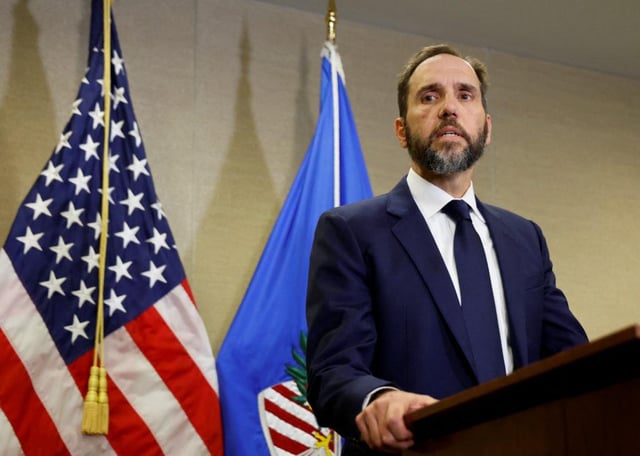
In the past few days, the political landscape has been buzzing with intense discussions following a series of controversial remarks made by a national leader whose statements have sparked public outrage and debate over the caliber of leadership in the country. The incident has become a lightning rod for both criticism and defense, highlighting the polarized views on governance and accountability.
The Controversy Unfolds
The controversial remarks in question were made during a televised interview, leaving many viewers stunned and outraged. The leader, who holds a significant position of authority, made statements that have been widely interpreted as insensitive and out of touch with the concerns of ordinary citizens. The public reaction was swift, with social media buzzing with criticism and calls for accountability intensifying.
This incident has not only stirred emotions across the nation but also brought underlying tensions to the forefront, prompting a broader conversation about the expectations and responsibilities of public figures. As the comments circulated in the media and online, they led to widespread condemnation from various sectors, including political opponents, civic groups, and concerned citizens.
Reactions from Political Circles
Within political circles, the remarks have become a focal point of heated debate. Members of the opposition party seized the opportunity to lambast the leader, calling for both an apology and a reevaluation of current policies. Some have even suggested that this incident reflects a deeper issue of accountability among those in power.
Meanwhile, supporters of the leader have rallied to provide explanations and justifications. They argue that the comments were either taken out of context or misinterpreted, highlighting a growing divide in political loyalties and interpretation of public discourse. The leader’s followers assert that critics are exploiting the situation for political gain rather than focusing on constructive dialogue.
Public Response and Backlash
The public reaction has been one of surprise and disappointment, with many taking to social media platforms to express their views. Hashtags critical of the leader quickly trended, as citizens voiced their disbelief and dissatisfaction. Grassroots movements and online petitions calling for greater accountability gained momentum, demonstrating the power of citizen advocacy in shaping national conversations.
In addition to expressing discontent, citizens are also engaging in open dialogues about the broader implications of having leaders who make controversial statements. Discussions have spilled over into community forums and public spaces, where people are reconsidering what qualities they expect and demand from those they elect to represent them.
Implications for National Leadership
This incident has intensified scrutiny over the nation’s leadership choices, with analysts forecasting potential ramifications for upcoming elections. The debate has magnified the growing demand for transparency, empathy, and integrity in governance, as well as the importance of mindful communication in public office.
For many citizens, this episode serves as a reminder of the significance of electing leaders who not only resonate with public sentiment but are also capable of articulating policies and visions that align with the populace’s values. The ongoing discourse underscores the role of accountability mechanisms in ensuring that public representatives remain attuned to the needs of their constituents.
As conversations about these controversial remarks continue, there is a collective anticipation for a formal response from the leader involved. Many await to see whether an admission of oversight, an apology, or a clarification will be forthcoming, and what impact these might have on their reputation and political standing.
At the heart of this controversy lies a crucial discourse on how national leaders must balance communicating difficult truths with maintaining a respectful and sensitive tone. As citizens and political commentators continue to dissect the issue, the spotlight remains on the broader implications for how leadership is perceived and enacted in a rapidly evolving world.