


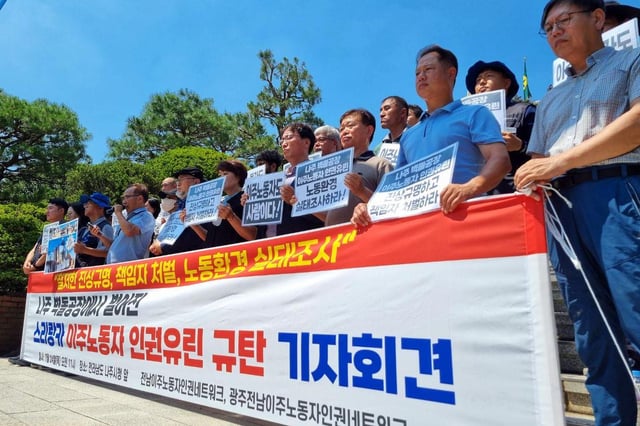
The recent incident involving Sri Lankan migrant workers in South Korea has cast a spotlight on the nation’s foreign labor policies, raising pertinent questions about the treatment of overseas workers and the legal frameworks intended to protect them. As the story unfolds, it is becoming more evident that South Korea must address systemic issues within its labor regulations to ensure that migrant workers are treated with dignity and respect.
Background on Migrant Labor in South Korea
South Korea has long relied on foreign workers to fill labor shortages in its agricultural, construction, and manufacturing sectors. These workers, predominantly from countries like Sri Lanka, Vietnam, and the Philippines, often take on the so-called “3D jobs” — dirty, dangerous, and difficult. However, the current labor framework, encapsulated by the Employment Permit System (EPS), has faced criticism for its inability to safeguard these individuals adequately.
Under the EPS, foreign workers enter South Korea on temporary visas, typically governed by strict rules that tie them to a specific employer. This system has been faulted for creating a power imbalance, limiting workers’ ability to change jobs even in cases of mistreatment or abuse.
The Recent Incident
In the latest case that has drawn international attention, several Sri Lankan workers reported severe mistreatment at the hands of their employers. Allegations include physical abuse, underpayment, and substandard living conditions. These reports have led to public outcry and demands for more stringent enforcement of labor laws to protect vulnerable workers.
Activists and human rights organizations argue that such incidents are not isolated, claiming they are indicative of broader systemic issues within the employment system. Their outspoken criticism has prompted South Korean authorities to investigate and acknowledge the need for reforms.
Implications for South Korea’s Labor Policies
The fallout from this incident has led to rigorous debate within the South Korean government about potential reforms to the EPS. Some of the major areas of concern include the restrictive nature of employment permits, the lack of legal protection for workers, and insufficient oversight mechanisms to prevent abuse.
Calls for Reform
Human rights organizations and labor advocates are calling for reforms that would allow migrant workers more freedom to change employers. Additionally, they advocate for the establishment of more robust legal frameworks that guarantee fair wages, safe working conditions, and timely intervention in cases of reported abuse.
Government Response
The South Korean government has promised a thorough review of its labor policies and has committed to increasing inspections and penalties for non-compliant employers. Officials have expressed a willingness to collaborate with international labor organizations to enhance the rights of migrant workers and prevent further incidents of exploitation.
- Implementation of flexible job-switching policies for migrant workers.
- Stricter penalties and fines for employers found guilty of mistreatment.
- Increased collaboration with international labor rights bodies.
As South Korea grapples with these challenges, it remains to be seen how swiftly and effectively changes can be implemented to address the concerns of migrant laborers. Ensuring their protection will not only align the nation with international labor standards but also secure its reputation as a just and equitable society.
This incident serves as a critical reminder of the ongoing plight of migrant workers worldwide, reflecting the urgent need for comprehensive reforms to uphold the dignity and human rights of all laborers, regardless of their origin. South Korea’s actions in the coming months could set a precedent for other countries facing similar challenges in balancing economic needs with ethical labor practices.