


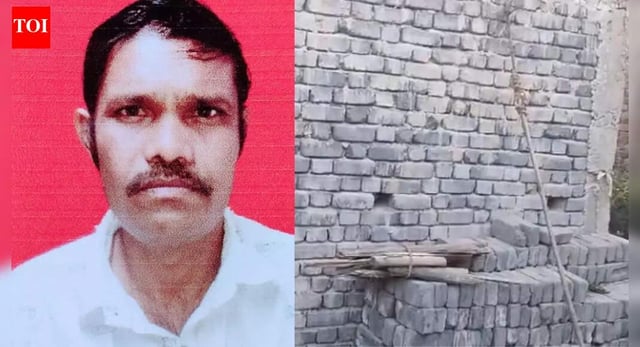
The tragic case of a Dalit man in Kerala, who faced severe consequences due to mistaken identity as a Bangladeshi national, underscores the persistent issues within identity verification processes and societal biases. The incident shines a spotlight on the complex intersection of identity, citizenship, and social stratification.
The Incident in Detail
In Kerala, a local Dalit man was mistakenly identified as a Bangladeshi national. This error had severe implications for him, resulting in detention and a drawn-out legal battle to prove his legitimate Indian citizenship. The man’s ordeal began when authorities, based on flimsy evidence, apprehended him under the suspicion of being an illegal immigrant. His case escalated from a simple identity error to a significant legal and social issue, highlighting the gaps in the verification system.
Understanding the Mistaken Identity
Identity verification in India can often be fraught with inaccuracies, especially concerning marginalized communities. This man’s situation reflects broader systemic issues where individuals from certain socio-economic backgrounds are disproportionately targeted or misidentified. Such errors are not only administrative but are also deeply rooted in societal prejudices that often see marginalized identities as suspect.
- Societal Prejudice: The deep-rooted caste and communal biases significantly affect the perception and treatment of individuals from marginalized communities.
- Administrative Errors: Inadequate systems and procedural lapses lead to significant errors in identity verification.
- Impact on Marginalized Groups: The societal status of Dalits often places them at a disadvantage, increasing their vulnerability to such mistakes.
The Broader Implications
This case brings to light critical questions regarding citizenship verification and the role of social prejudice in such processes. It calls for a comprehensive evaluation of current practices and their impact on vulnerable communities. There is an urgent need for policy reforms to prevent such incidents, ensuring fairness and accuracy in identity verification systems.
Moreover, this incident highlights the need for systems that better protect individuals from marginalized communities. Ensuring transparency and accountability within governmental processes is crucial to preventing such tragedies. There is a profound need for public awareness and education to dismantle societal prejudices that reinforce these issues.
The plight of this Dalit man is emblematic of a more widespread problem that requires attention from policymakers, social activists, and the community at large. His story is a sobering reminder of the human cost of systemic errors and social biases, urging all stakeholders to reflect and act for meaningful change.