


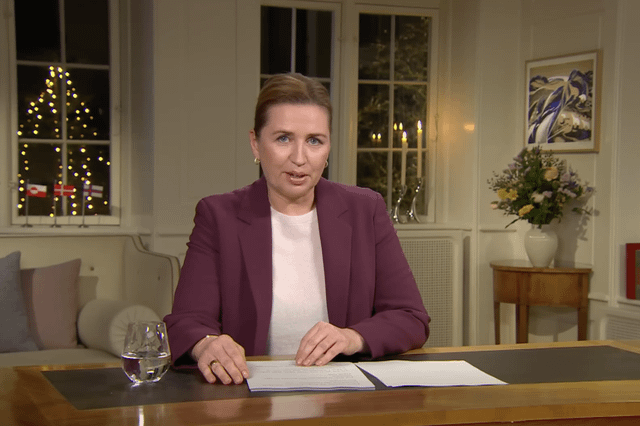
The geopolitical landscape is shifting, as Danish Prime Minister voiced strong words regarding Greenland’s status amidst growing international interest. Denmark remains firm on maintaining a close connection with Greenland, its semi-autonomous territory, even as the United States eyes the island for its strategic location and untapped resources.
Denmark-Greenland Ties Under Scrutiny
Greenland’s vast icy expanse has long been viewed through Copenhagen’s lens as an integral part of the Kingdom of Denmark. The island holds a degree of autonomy, enabling it to govern internal matters while Denmark handles foreign affairs and defense. This political arrangement is now under scrutiny as global powers become increasingly drawn to Greenland’s economic and geostrategic potential.
The Prime Minister emphasized that Greenland is not on the market, clearly reflecting Denmark’s commitment to preserving its ties with the island. This stance emerged amid reports of heightened interest from the U.S., which has considered revisiting its historic opportunity to purchase Greenland, akin to negotiations attempted during President Harry Truman’s administration in 1946.
Strategic Significance and Natural Resources
Greenland’s significance stems from its strategic geographic location in the Arctic and its abundance of natural resources, which are becoming more accessible due to climate change. The retreating ice sheets reveal deposits of rare earth metals, uranium, and potentially significant oil reserves. These resources offer lucrative potential for economic development, which Greenland largely seeks to tap into, but not at the cost of their relationship with Denmark.
Over the past years, the melting Arctic has opened new shipping routes, increasing accessibility for naval and commercial ventures. This new frontier represents lucrative opportunities that could reshape global trade and military dynamics, drawing interest from powers like the United States, which already maintains the Thule Air Base in Greenland, a critical link in its missile warning and space surveillance network.
The United States’ Renewed Interest
U.S. interest in Greenland is not purely driven by resources but also by security concerns intertwined with Arctic geopolitics. The increasing presence of other international powers in the Arctic region, including Russia and China, has rejuvenated the U.S.’s strategic calculations. Greenland’s proximity to the Arctic Circle makes it a valuable asset in any nation’s geostrategic portfolio.
The Danish Prime Minister’s remarks signal clear opposition to any suggestion that Greenland might be ‘for sale’. Such discussions, coupled with the global interest in Arctic development, emphasize the need for continued dialogue and cooperation between the governments of Greenland and Denmark, ensuring mutual benefit and respect for the island’s autonomy.
This renewed focus presents a potential for Greenland to leverage its strategic position while negotiating to enhance its governance and development autonomy under Danish sovereignty. Nevertheless, it remains a delicate diplomatic balancing act as Greenland carves out its future role on the world stage.
The evolving situation in Greenland stands testament to the island’s rising prominence in global geopolitics. As other countries cast a covetous glance towards the island, Denmark and Greenland face the challenge of nurturing a balanced relationship, one built on mutual respect, sustainable growth, and recognition of the island’s unique position both politically and geologically.
Danish leaders and their Greenlandic counterparts must navigate these complex geopolitical currents to ensure a harmonious and prosperous future within the folds of the Kingdom of Denmark, even as the world increasingly turns its gaze upon this icy expanse.