

Introduction to Czech Wine
The Czech Republic, primarily recognized for its legendary beer culture, is quietly gaining recognition for its unique and diverse wine production. This relatively underappreciated wine destination offers a rich history of winemaking that dates back to the 14th century when vineyards flourished under the reign of Charles IV. Despite beer overshadowing wine for decades, Czech winemakers have continued their craft with dedication, contributing to the revival of the country’s wine industry.
The story of Czech wine begins in the southern region of Moravia, where almost 96% of the country’s vineyards are located. The focus here is on local grape varieties, although popular international strains such as Cabernet Sauvignon and Pinot Noir are also produced. Interestingly, wine production isn’t just a trade but a reflection of Czech culture, with vineyards often passed down through generations, making Czech wines a direct representation of tradition, local climate, and craftsmanship.


The Czech Republic’s wine landscape is defined by its two wine regions: Moravia and Bohemia. Though Moravia is the heart of Czech winemaking, small yet significant vineyards are found in Bohemia, particularly near Prague. These northern vineyards lend the country a fascinating diversity, offering everything from rich, aromatic white wines to structured reds. Czech wine may be lesser-known on the global stage, but for those willing to explore, it offers a delightful, unique experience for wine enthusiasts.
But why explore Czech wines now? The wine scene in the Czech Republic has grown immensely, with modern technology and European Union subsidies allowing vintners to hone their craft and compete on the global stage. With centuries-old winemaking traditions and emerging technologies, Czech wine is a blend of the old and new, offering endless discovery for wine lovers.
History of Czech Wine
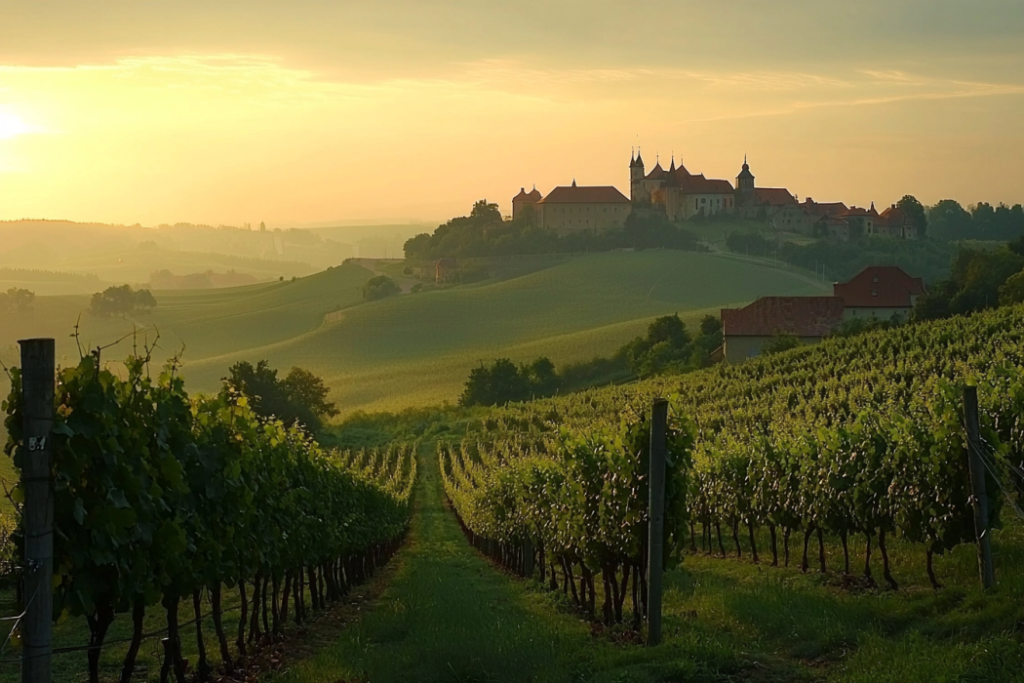
The history of Czech wine is a fascinating journey that dates back to the 14th century, when the first Bohemian vineyards were planted around Mělník by Prince Bořivoj and his wife Ludmila. The Roman Empire played a significant role in shaping the region’s viticulture, introducing grape varieties such as Grüner Veltliner and Welschriesling during their occupation. Evidence of early viticulture practices can be traced back to the Great Moravian Empire (833–906), with archaeological finds of pruning knives and grape seeds in Slavic settlements.
In the 13th century, monasteries became pivotal in establishing large vineyard areas in the Czech Republic, planting grape varieties imported from France and Germany. However, the Thirty Years’ War (1618–1648) wreaked havoc on the vineyards in Moravia, leading to a significant decline. Over the next century, these vineyards were gradually replanted, only to face another challenge in the late 19th and early 20th centuries with the vine pest Phylloxera. This devastating pest led to the replanting of vineyards with Phylloxera-resistant rootstock, ensuring the survival and quality of Czech wines.
The modern era of Czech wine began with the enactment of Wine Act No. 115/1995, which established viticulture and winemaking practices. The Czech Republic’s accession to the European Union in 2004 brought further alignment with EU standards through Wine Act No. 321/2004 Sb. This legislation has been crucial in elevating the quality and reputation of Czech wines on the international stage.
Today, the Czech Republic boasts two primary wine regions: Moravia and Bohemia. Moravia, responsible for 95-100% of the country’s wine production, is renowned for its high-quality wines, including the increasingly popular rosé wines. Wine tourism is flourishing, with numerous wineries and wine cellars offering tours and tastings, allowing visitors to immerse themselves in the rich wine culture.
Czech wine labels typically specify the wine’s origin, with terms such as “Moravian wine” or “Bohemian wine.” The introduction of the appellation-based system, vína originální cetrifikace (VOC), in the late 2000s certifies wines that meet stringent quality and origin standards, further enhancing the credibility of Czech wines.
While local grape varieties remain the cornerstone of Czech wine production, there has been a notable increase in the cultivation of international strains like Cabernet Sauvignon. Czech winemakers are celebrated for their innovative approaches to wine making, blending tradition with modern techniques to produce high quality wines that are gaining recognition worldwide.
The wine trade in the Czech Republic has a long history, with the country exporting wines to various European nations. Supported by government subsidies from the European Union and the Czech government, the industry is projected to generate $584.1 million in 2024, with an anticipated growth rate of 3.5% through 2028.
In summary, the history of Czech wine is a rich tapestry of tradition, resilience, and innovation. From the early Bohemian vineyards to the modern wine industry, Czech wine has evolved significantly, earning a well-deserved place on the global wine map.

Wine Regions of the Czech Republic
Morava Wine Region
When one speaks of Czech wine, they are predominantly referring to Moravian wines. This region, stretching across the southern part of the Czech Republic, is home to vast, sprawling vineyards that flourish in the unique climate. The combination of fertile soil, inland humidity, and occasional Atlantic breezes creates an ideal environment for producing white wines that are known for their spicy, aromatic profiles. Varieties like Grüner Veltliner, Riesling, and Chardonnay are particularly popular here, with their mineral undertones and bright acidity reflecting the region’s distinctive terroir.
The wine makers in Morava play a crucial role in shaping the local wine culture, offering visitors the chance to explore wineries and engage in tastings that highlight the region’s unique offerings.
Moravia is divided into several sub-regions, each offering its own specific terroir and grape varieties. Among the most renowned are:
- Znojemská: Known for its aromatic white wines, particularly Sauvignon Blanc and Riesling, this sub-region produces wines with balanced acidity and fresh fruit flavors.
- Mikulovská: Situated near the Austrian border, Mikulovská is celebrated for its Pinot Blanc and Grüner Veltliner, offering wines with elegant minerality and vibrant citrus notes.
- Velkopavlovická: Famous for its red wines, including Cabernet Sauvignon, Pinot Noir, and the indigenous Cabernet Moravia, this sub-region brings rich, earthy flavors and complex fruit character.
- Slovácká: Bordering Slovakia, this sub-region is known for its diversity, producing both reds and whites, but especially noteworthy for its Müller-Thurgau and Pinot Gris.
Moravia’s red wines, though not as globally recognized as its whites, offer a distinct, earthy authenticity. The region produces red wines that are robust yet refined, with complex layers of flavor. Pinot Noir, in particular, has found a home here, offering wines that are fruity yet structured, perfect for those seeking depth and character.

Bohemia Wine Region
The Bohemia wine region may be smaller, but it is by no means less significant. Situated in the northernmost part of the country, Bohemia is the Czech Republic’s contribution to northern European viticulture. The region’s 171 vineyards are spread across 75 wine-growing villages, mainly in the Mělnická and Litoměřická sub-regions.
While Bohemia’s climate differs from Moravia’s, with cooler temperatures and lighter soils, it’s this very environment that creates excellent conditions for producing light, aromatic wines, including Pinot Noir and Chardonnay. The wines here are often more delicate, with soft fruit flavors, floral aromas, and a distinct mineral edge, making them an excellent pairing for lighter meals or a refreshing summer sip.
The region’s proximity to Prague makes it a popular spot for wine tourism, offering easy access to historic vineyards and picturesque wineries. The Bohemia wine trail is not only a journey through wine but also through history, as these vineyards have been cultivated for centuries, dating back to medieval times.

Traditional Czech Wine-Making Methods
One of the unique aspects of Czech winemaking lies in its blend of age-old techniques with modern innovations. While much has evolved in the industry, several traditional practices remain deeply ingrained in Czech winemaking culture, helping it stand out on the global stage.
Among the most iconic of Czech wine traditions is the production of burčák. This young, sweet wine is made from freshly pressed grape juice, and it holds a special place in the hearts of Czechs. Available only during the autumn season, burčák is enjoyed at a particular stage in the fermentation process, making it a rare and fleeting delight for both locals and tourists alike. It is said to be the wine of celebration, traditionally enjoyed during the grape harvest. Exporting burčák is challenging due to its ongoing fermentation, which requires bottles with small holes to release gas—making it a truly local treasure.
Another traditional wine is Svatomartinské víno, named after St. Martin’s Day, celebrated on November 11th. This wine is made from grapes harvested earlier that year, providing a fresh, young wine to mark the holiday. Svatomartinské wines are typically light and fruity, making them ideal for festive occasions and pairing with the hearty dishes typically served in the Czech Republic during the colder months.
Czech winemakers are also known for their meticulous attention to detail when it comes to must weight levels, or the sugar content of grapes, which plays a crucial role in determining the final quality of the wine. The higher the must weight, the sweeter and more concentrated the wine will be, a principle that has guided Czech winemakers for generations.
The Czech Republic’s combination of innovative modern practices and respect for time-honored traditions results in wines that are both high in quality and rich in cultural significance.
Wine Tourism and Events
Wine tourism in the Czech Republic is gaining momentum as more travelers seek to discover hidden gems off the beaten path. The country offers a range of wine festivals, vineyard tours, and tasting experiences that allow visitors to immerse themselves in the local wine culture. Whether you’re in the heart of Moravia or visiting the vineyards near Prague, Czech wine tourism offers something for everyone. The variety and appeal of local wines available at these festivals and events make them a must-visit for any wine enthusiast.
One of the highlights of Czech wine tourism is the Moravian Wine Festival, held annually in the fall. This festival is a celebration of the harvest and showcases some of the best wines from across the region. The event draws wine enthusiasts from around the world to taste local varietals and enjoy the festive atmosphere, which includes live music, traditional food, and, of course, an endless selection of Moravian wines. Visitors have the chance to experience everything from the crisp acidity of Riesling to the full-bodied flavors of Cabernet Moravia.
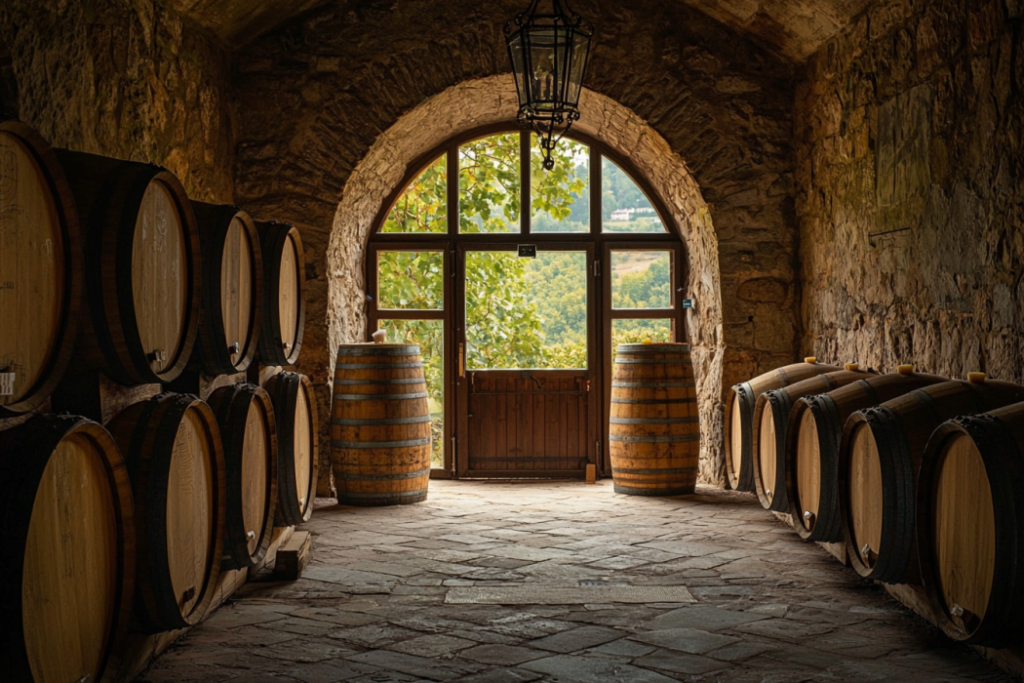
Another must-attend event is the Znojmo Wine Festival, which takes place in the medieval town of Znojmo. This picturesque event offers visitors the opportunity to explore ancient wine cellars, taste regional wines, and enjoy guided wine tours. The event often coincides with burčák season, allowing visitors to taste the freshly fermented young wine while enjoying the scenic beauty of South Moravia.
Beyond festivals, the Czech Republic offers a plethora of wine tours and tastings throughout the year. Many wineries open their doors to the public, offering tours that showcase their vineyards, cellars, and winemaking processes. One popular route is the Moravian Wine Trails, a network of scenic paths that lead travelers through the heart of the wine country. Here, you can cycle or walk through vineyards, stop at local cellars, and taste wines directly from the source. It’s an authentic way to experience Czech wine culture firsthand.
For those based in Prague, wine tourism is easily accessible through day trips to nearby vineyards in the Bohemia wine region. Just a short drive from the city, visitors can explore historic vineyards that have been producing wine since the Middle Ages. These vineyards not only offer a taste of traditional Czech wines but also stunning views of the surrounding landscape.
Wine tourism in the Czech Republic isn’t just about tasting wine—it’s about experiencing the country’s rich heritage and deep connection to its land. Whether you’re attending a festival or strolling through a vineyard, you’ll find that the Czech wine industry is deeply rooted in tradition, with a modern twist that promises an unforgettable experience.

The Current State of the Industry
The Czech wine industry has come a long way in recent years, growing steadily and making a mark on the global wine scene. While it may not yet have the renown of France or Italy, the Czech Republic is increasingly recognized for producing high-quality wines that reflect its unique terroir and winemaking traditions.
Today, Czech wine production is supported by government subsidies from both the European Union and the Czech government. This support has allowed winemakers to invest in new technology, improve their cultivation practices, and expand their market presence. The result is a significant increase in the quality of wines produced in the region, leading to greater international recognition. A Czech wine label is crucial in indicating the wine’s origin and classification, with designations like ‘Jakostní víno’ and ‘Moravské zemské víno’ ensuring adherence to regulatory standards and helping consumers understand the quality and type of the wine.
In 2024, the Czech wine industry is projected to generate an estimated $584.1 million, with expectations for continued growth at an annual rate of 3.5% through 2028. This growth is driven not only by domestic demand but also by increased exports to countries that are beginning to recognize the value of Czech wines.
The country’s focus on producing high-quality wines is paying off, with Czech wines regularly winning awards at international wine competitions. In particular, the region’s Grüner Veltliner, Riesling, and Pinot Noir have earned praise for their distinct characteristics, reflective of the Czech Republic’s unique climate and soil conditions.
One of the key factors in the rising success of the Czech wine industry is the emphasis on sustainable farming practices. Many vineyards have adopted organic and biodynamic farming methods, ensuring that the wines are not only delicious but also environmentally responsible. This aligns with the global trend toward sustainability in winemaking and has further boosted the appeal of Czech wines in international markets.
However, challenges remain. The Czech Republic’s relatively small production volume, combined with the dominance of larger wine-producing nations, means that Czech wines are still considered niche products in many parts of the world. Nonetheless, for those in the know, Czech wines offer an exciting alternative to the more mainstream choices, and their popularity is expected to continue growing.

How to Order Wine in Czech
If you find yourself in a Czech wine bar or restaurant, eager to sample the local offerings, knowing how to order wine in Czech will enhance your experience. Fortunately, it’s quite simple. If you’re looking for a general glass of wine, you can say, “Jedno víno, prosím,” which translates to “One wine, please.” For a more specific request, you can name the variety you prefer, such as “Riesling, prosím” for a glass of Riesling or “Pinot Noir, prosím” if you’re in the mood for red wine.
Understanding the labels on Czech wine bottles can be a little more complex, but they are filled with useful information that will help guide your selection. Czech wine labels typically include details about the wine’s origin, such as the wine-growing region (Vinařská oblast), wine-growing sub-region (Vinařská podoblast), or even the specific vineyard (Vinohrad) where the grapes were grown. A Czech wine label also indicates the wine’s classification, which is essential for understanding the quality and type of the wine.
Additionally, Czech wine is classified according to the level of must weight—the sugar content in the grapes at the time of harvest. The most common classifications you’ll see on Czech wine labels are:
- Jakostní víno s přívlastkem (Quality Wine with Special Attributes): This indicates a higher quality wine, often with specific attributes such as sweetness or ripeness.
- Jakostní víno (Quality Wine): A general designation for high-quality wines produced within a specific wine-growing region.
- Moravské zemské víno (Moravian Country Wine) or České zemské víno (Bohemian Country Wine): A classification for country wines that are typically less expensive but still reflect the regional characteristics of the grapes.
- Stolní víno (Table Wine): A basic wine classification, often used for everyday drinking wines.
These classifications can help guide your choice, whether you’re seeking a premium bottle for a special occasion or a simple glass to enjoy with your meal.
Conclusion
The Czech Republic’s wine industry is a testament to centuries of dedication, innovation, and passion for winemaking. While it may still be overshadowed by the country’s famous beer culture, Czech wine offers a unique and exciting experience that is increasingly gaining recognition. From the sprawling vineyards of Moravia, which account for 96% of the nation’s wine production, to the lesser-known yet historic vineyards in Bohemia, Czech wines are diverse, flavorful, and rich in character.
The Morava Wine Region is the heart of Czech wine culture, where local grape varieties like Grüner Veltliner, Riesling, and Pinot Noir shine. The region’s mix of fertile soil and unique climate allows for the production of aromatic whites and earthy reds that rival wines from more well-known wine-producing nations. Bohemia, while smaller, offers its own distinct flavors, particularly with Pinot Noir and Chardonnay, thriving in the cooler, lighter soils of the region.
Czech winemakers take great pride in their craft, blending time-honored traditions with modern innovations. From the iconic burčák to the festive Svatomartinské víno, Czech wines are as culturally significant as they are enjoyable to drink. Sustainable farming practices and meticulous attention to detail ensure that Czech wines are not only delicious but also responsible and reflective of the country’s terroir.
As the Czech wine industry continues to grow, both in production and reputation, more and more wine enthusiasts are turning their attention to this emerging wine destination. Government support, European Union subsidies, and a focus on high-quality production have all contributed to the resurgence of Czech wine on the international stage. The country’s wines are steadily gaining recognition in global markets, and with projected growth in the coming years, there’s no doubt that Czech wines are poised to become a major player in the global wine industry.
For those looking to explore Czech wine firsthand, the country’s vibrant wine tourism scene offers endless opportunities. From wine festivals like the Moravian Wine Festival to the scenic Moravian Wine Trails, visitors can experience the beauty of the Czech wine regions while tasting some of the best wines the country has to offer. Whether you’re cycling through the vineyards, enjoying a guided tasting, or savoring a glass of Pinot Noir in Prague, Czech wine tourism promises an immersive and unforgettable experience.
So, how does one navigate the world of Czech wine? With a few simple phrases like “Jedno víno, prosím” and an understanding of Czech wine classifications, any visitor can confidently explore the country’s wine offerings. The variety, quality, and rich history behind Czech wines make them an adventure worth pursuing for any wine lover.
In conclusion, Czech wine is more than just a drink—it’s a reflection of the country’s culture, history, and the passion of its winemakers. From the centuries-old vineyards in Moravia to the growing reputation of Bohemian wines, the Czech Republic has firmly established itself as a wine destination worth exploring. With a future full of promise and a growing reputation for high-quality wines, Czech wine is ready to take its place on the global stage, offering wine lovers everywhere a chance to taste something truly special.