


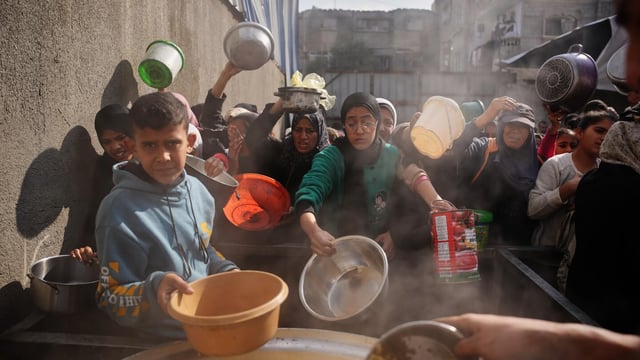
In recent months, the Gaza Strip has faced a precarious situation concerning food security. Although the immediate risk of famine has been averted through emergency interventions, the underlying challenges remain a significant concern. The complex political dynamics and ongoing economic blockade continue to shape the region’s food landscape, leaving many residents in a vulnerable state.
The Ongoing Impact of Blockades
The economic blockade imposed on Gaza has been the central factor exacerbating food insecurity. Essential goods and humanitarian aid have been hampered, leading to shortages of basic food items and driving up prices. While recent international efforts have temporarily alleviated the most severe food shortages, the blockade’s long-term effects persist, contributing to an unstable and unpredictable food supply.
The blockade has not only affected the availability of goods but has also severely restricted the local economy. Agriculture, a traditional mainstay for Gaza’s economy, has been particularly hard hit. Farmers struggle with limited access to important supplies such as seeds, fertilizer, and water, hampering their ability to produce sufficient crops to feed the population.
Intervention and Relief Efforts
Amidst these challenges, various international organizations and local bodies have stepped in to provide much-needed relief. Humanitarian aid, including food packages and financial support, has played a critical role in preventing the situation from deteriorating into a full-scale famine. These interventions have been crucial in addressing immediate shortages, but they are not a sustainable long-term solution.
Short-term relief measures have included the delivery of essential foodstuffs to the most affected populations. This aid, however, is often challenged by logistical hurdles and the ever-present risk of political disruptions. For the residents of Gaza, this uncertainty means that dependence on external aid remains a constant reality.
The Path Forward: Seeking Sustainable Solutions
The future of food security in Gaza hinges on finding sustainable solutions that can withstand the ongoing political strife and economic limitations. Addressing these issues requires both immediate and long-term strategies, including advocacy for policy changes and focused development efforts that empower the local population.
Economic Revitalization
Reviving Gaza’s economy could provide a pathway to improved food security. Encouraging local production and creating opportunities for economic growth are essential steps. Investing in infrastructure, technology, and education would not only bolster the agricultural sector but also create jobs, thereby reducing reliance on external aid.
Political Advocacy and Dialogue
Resolving the political deadlock is integral to improving the humanitarian situation in Gaza. International stakeholders must engage in diplomatic efforts that promote dialogue and seek to ease restrictions, facilitating the delivery and trade of goods necessary for everyday life. Such measures are crucial to achieving a stable and self-sufficient Gaza.
While the immediate threat of widespread famine in the Gaza Strip has been temporarily averted, the persistent issues linked to the blockade and political instability underscore the need for sustainable change. For the people of Gaza, building a resilient future is dependent on overcoming these hurdles, ensuring that food security is no longer a persistent challenge but a realized goal. As the situation continues to evolve, the international community’s role in offering support and advocating for change remains indispensable.