


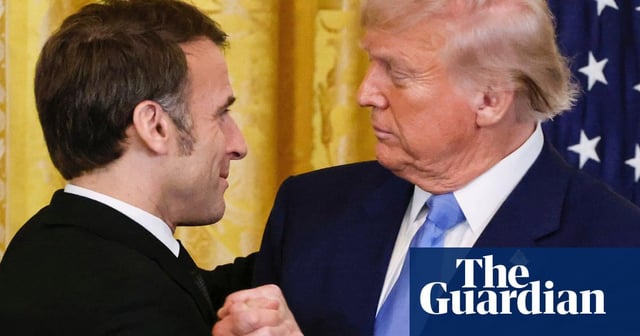
In a bid to safeguard European economic sovereignty, French President Emmanuel Macron has called upon the European Union to present a united front against potential US tariffs that threaten the bloc’s trade interests. Macron’s pronouncement marks a pivotal moment in EU-US relations, highlighting the need for collaborative efforts within the EU to fortify its economic defenses.
Macron’s Call for Unity
Speaking at a recent EU summit, Macron emphasized the importance of EU solidarity in responding to external economic pressures, primarily those originating from the United States. His call to action aims to rally European leaders to adopt a cohesive strategy that protects the EU’s economic and financial stability.
Macron’s statement comes against the backdrop of escalating trade tensions between the US and various global partners. As the leader of one of the EU’s largest economies, Macron’s words carry significant weight and reflect a growing consensus among European leaders about the necessity of a coordinated approach to trade issues.
Understanding the US Tariff Threat
The concern over US tariffs is not new. Recent years have seen an uptick in protectionist policies from the US, which have included tariffs on various goods ranging from aluminum to agricultural products. These measures, often justified by national security or unfair trade practices claims, have caused disruptions in global trade patterns.
For the EU, these tariffs pose a dual threat. Economically, they can negatively impact European industries reliant on trade with the US, thereby affecting jobs and growth within the bloc. Politically, they challenge the EU’s standing as a key player on the international stage, potentially undermining its influence in global economic discussions.
The Impact on European Industries
Industries across Europe are feeling the ripple effects of US-imposed tariffs. Sectors such as automotive and agriculture are particularly vulnerable, given their significant export volumes to the US market. The automotive sector, which is a substantial part of several EU economies, faces potential setbacks if tariffs are expanded or maintained long-term.
- Automotive Industry: Tariffs on European cars could lead to job losses and reduced competitiveness internationally.
- Agriculture: Farmers worry about reduced access to the US market, crucial for certain exports like cheese and wine.
Collaborative Strategies and Potential Outcomes
In response to these challenges, Macron has suggested a series of collaborative measures to safeguard European interests. These include enhancing trade negotiations, fostering internal market strengths, and investing in strategic industries to reduce dependence on external markets.
The potential outcomes of adopting such strategies could be multifaceted:
- Strengthened EU Trade Policies: Unified responses to external tariffs could lead the EU to establish fairer trade terms globally.
- Increased Self-Reliance: By bolstering its internal markets, the EU can reduce its vulnerability to external economic pressures.
- Enhanced Global Influence: A coordinated EU front on trade matters may increase its leverage in international trade negotiations.
Macron’s initiative underscores the relevance of the EU as a central economic bloc that requires strategic foresight to navigate the complexities of global trade politics. With the global economic landscape in a state of flux, the ability of EU leaders to effectively safeguard their interests will likely define the bloc’s future trajectory.
Ultimately, Macron’s appeal serves as both a warning and a guiding principle for EU members, urging them to prioritize cooperation over division and resilience over vulnerability in the face of global trade challenges. As the EU continues to solidify its stance, the international community will closely watch how these policies unfold and influence the broader dynamics of global trade.