


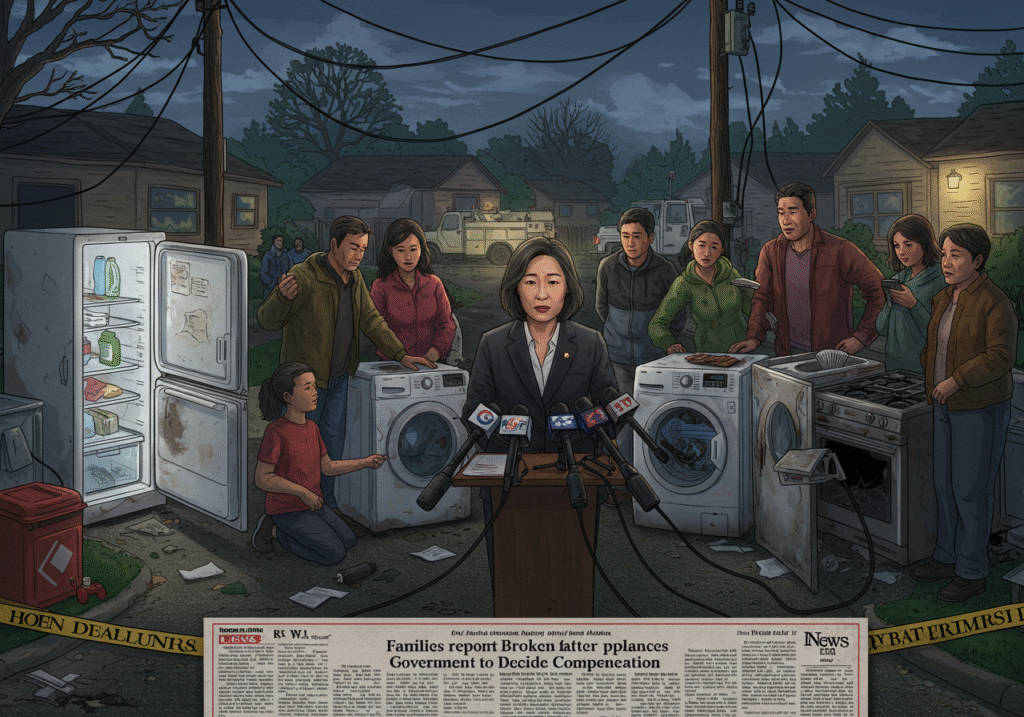
In recent times, a significant number of families have reported damage to their household appliances following a widespread power outage. The event has triggered discussions on the responsibility of compensation, with the government stepping in to make determinations about claims. The power failure, which affected numerous areas, left residents grappling not only with temporary loss of electricity but also a surge of appliance malfunctions, notably with stoves and other essential home utilities.
The Aftermath of the Power Outage
As communities continue to recover from the blackout, the full extent of the damage is becoming more apparent. Residents have reported anything from minor glitches to complete breakdowns of electrical devices. “The outage was unexpected. When the power came back, my electric stove wouldn’t work. It’s completely ruined, and repair costs are exorbitant,” shared a distraught homeowner.
Apart from stoves, other appliances such as microwaves, refrigerators, and televisions have also been cited in damage reports. Many households emphasize that while older appliances sometimes withstand such surges, newer models with sophisticated technology are more susceptible to power inconsistencies.
Government’s Role in Compensation
The question of who takes responsibility for these damages has placed pressure on both utility companies and governmental bodies. The electric companies assert that sudden weather changes beyond their control led to the failure, while consumers argue that grid reliability is fundamental.
In response, the government is now evaluating claims for compensation due to appliance damages. A formal announcement is awaited, outlining eligibility criteria and procedural details for families seeking reimbursement. The process aims to be inclusive, ensuring that affected individuals are given due consideration.
“Our goal is to ensure that citizens are not left to bear the financial brunt of incidents that could have been mitigated with better infrastructure and contingencies,” remarked a government representative. Discussions are ongoing, but officials maintain that adhering to a fair assessment framework remains a priority.
Navigating Compensation Claims
Affected residents are advised to prepare necessary documentation to support their claims. This includes proof of ownership of damaged items, photographs, repair estimates, and any communications with suppliers or repair services. Simplifying the claims process will require streamlining submissions and ensuring prompt evaluations by the authorities.
Local advocacy groups have started offering guidance sessions to help families navigate this daunting process. A representative emphasized, “Understanding your rights and responsibilities is crucial when seeking compensation from state mechanisms. We’re here to help make sure everyone gets a fair shot.”
A Broader Look at Infrastructure Challenges
This incident also opens up larger conversations about infrastructure resilience. The demand for electricity has surged, compounded by the integration of smart technology in homes. The strain on aging power grids is increasingly evident, calling for comprehensive reforms to upgrade and future-proof these systems against similar crises.
Experts in the energy sector point to a pressing need for public and private sector collaborations to enhance grid robustness. “What we’re seeing is a symptom of larger systemic issues. Investment in newer technologies and strategies to mitigate unforeseen outages can prevent such scenarios,” one analyst explained.
Community Resilience and Future Preparations
Community resilience plays a key role in managing the aftermath of power-related mishaps. Neighborhood associations and community centers have rolled out initiatives to enhance emergency preparedness among residents. Workshops on handling power surge-related issues and basic home safety measures are gaining traction.
“Community support systems are invaluable,” noted a local leader involved in emergency preparedness training. “When lightning strikes or the power goes out, knowing what steps to take can be a huge relief.”
Furthermore, this incident has stimulated a rise in the use of power back-up solutions among homeowners. Solar solutions, battery storage systems, and surge protectors are seeing increased interest as households seek to safeguard against future occurrences.
Looking Ahead: Policy and Personal Safeguards
While definitive resolutions on compensation are yet to be finalized, there are actionable steps homeowners can take to protect their appliances. Investing in high-quality surge protectors, getting regular electrical inspections, and considering relevant insurance for valuable electronics are prudent measures.
This incident also urges policymakers to act prudently in shaping future electricity sector regulations. As debates persist over power supply adequacy and reliability, it becomes crucial for decision-makers to chart a forward-looking road map that balances technological advancement with protective oversight.
The current situation underscores interconnected challenges stemming from infrastructural complacency and climate unpredictability. Addressing these through a combined effort could not only mitigate risks but also pave the path for more fortified living standards across affected regions.