


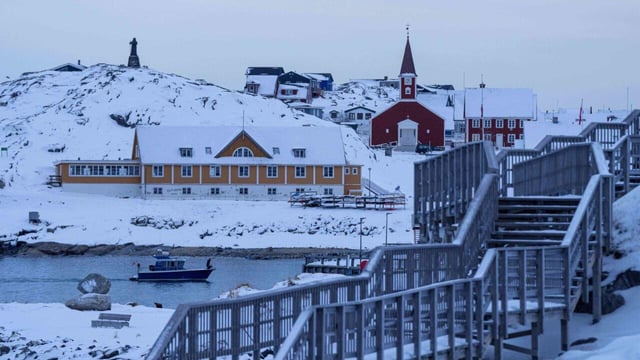
In a notable move to bolster its international relationships and strategic positioning, France has announced the establishment of a consulate in Greenland, a territory that has emerged as a focal point of geopolitical interest. The decision signifies France’s intention to strengthen diplomatic ties in the Arctic region, amidst rising global attention given the area’s vast resources and shifting political dynamics.
Strategic Significance of Greenland
Greenland, the world’s largest island and an autonomous territory of the Kingdom of Denmark, has become increasingly significant on the global stage due to its unique geographic position and untapped natural resources. The island sits between the Arctic and Atlantic Oceans, offering strategic military and economic advantages. As the polar ice melt accelerates, new shipping routes and potential oil and mineral deposits are becoming accessible, heightening international interest.
This has attracted attention from significant global powers, who are keen on expanding their influence in the Arctic region. The strategic value of Greenland cannot be overstated, as it holds considerable potential for rare mineral extraction and serves as a critical point for monitoring maritime and aerial activities in the North Atlantic.
France’s Diplomatic Expansion
The establishment of a consulate in Greenland marks a noteworthy chapter in France’s foreign policy, underscoring its interest in playing a proactive role in Arctic affairs. By opening this diplomatic post, France aims to enhance collaboration not only with Denmark but also with local Greenlandic authorities. This move is anticipated to facilitate dialogue on issues such as climate change, resource management, and indigenous rights, all of which are crucial topics in the region.
Moreover, this diplomatic endeavor aligns with the European Union’s broader Arctic policy, emphasizing sustainable development and stability in the region. France’s commitment to establishing a permanent presence in Greenland reflects its dedication to supporting these objectives and contributing to collaborative international efforts in the Arctic.
Collaborative Opportunities
The new consulate is expected to open avenues for bilateral cooperation on various fronts, including environmental research, sustainable resource extraction, and cultural exchanges. France and Greenland can benefit mutually by sharing expertise and knowledge, particularly in scientific studies related to climate change and marine biodiversity. Additionally, the consulate can serve as a platform for French businesses and investors looking to explore opportunities in Greenland’s burgeoning economy.
Geopolitical Implications
France’s decision to open a consulate in Greenland holds wider implications in the context of global geopolitics. The presence of a French diplomatic mission in the region signifies a strengthened European foothold in an area that has seen increasing attention from the United States, China, and Russia. Each of these nations has demonstrated interest in the Arctic, vying for influence and access to its strategic resources.
In recent years, there has been a growing concern over the militarization of the Arctic, with nations seeking to expand their presence through various means, including establishing military bases and enhancing surveillance capabilities. France’s move could also be interpreted as an effort to ensure that European interests are safeguarded amidst these developments, promoting a vision of a peaceful and cooperative Arctic.
This diplomatic gesture also serves as a reminder of France’s longstanding commitment to international agreements and cooperation. By cementing its presence in Greenland, France is positioned to play an influential role in discussions regarding international frameworks governing the Arctic region, including those related to environmental protection and sustainable development.
In conclusion, France’s decision to open a consulate in Greenland is a strategic move that reflects the shifting dynamics of international relations in the Arctic. As global interest in the region intensifies, France seeks to assert its presence, foster meaningful partnerships, and contribute to a balanced approach to development and security in this rapidly changing landscape. The establishment of diplomatic ties presents numerous opportunities for collaboration and dialogue, underscoring France’s proactive role in shaping the future of the Arctic region.