


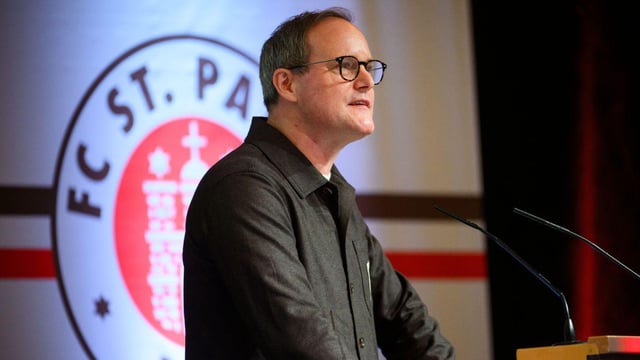
In a surprising move, a prominent German government official has called for a dialogue on boycotting the upcoming World Cup amid ongoing disputes linked to former U.S. President Donald Trump’s policies. This development marks a significant escalation in international tensions and adds another layer of complexity to the already contentious global sporting event.
International Tensions Intensify
The call for discussions on a potential boycott underscores the growing dissatisfaction in Europe over the lingering effects of Trump’s policies, which have continued to influence global diplomatic and political landscapes. The German official’s statement reflects a broader sense of unrest that these policies have sewn among allies and underscores the pivotal role of sports diplomacy in international relations.
The bold proclamation has caught the attention of both sports enthusiasts and diplomats, highlighting the intricate balance between politics and sporting events. As a cultural phenomenon, the World Cup has historically aimed to unify diverse nations in friendly competition. Yet, it is now becoming a platform for political expression and discontent.
The Power of Sports as Political Platforms
The intersection of politics and sports is not a novel phenomenon. Big sporting events like the World Cup are seen as opportunities to have pivotal conversations on pressing global issues. The current situation encapsulates how countries are willing to leverage sporting mega-events to voice dissent and make political stands.
Past instances have seen nations using sports boycotts as a strategy to take a stand on political matters. For instance, the U.S.-led boycott of the 1980 Moscow Olympics served as a protest against the Soviet invasion of Afghanistan. Today, the stakes involve a deeper web of issues, yet the tactic remains the same—a demonstration of international disapproval.
Messages Beyond the Field
- Boycotts can channel a message of dissatisfaction with an international audience.
- They often signify a call for action and change from global leaders.
- Sporting bodies are compelled to address these issues, given the platform’s visibility.
In this instance, the dialogue surrounding a potential World Cup boycott taps into the broader call for reassessment of Trump’s policies, which have continued to shape and sometimes strain international relations.
Potential Impacts on the Sporting World
The notion of a boycott is inherently controversial, often leading to varied repercussions in the sporting realm. Athletes, who prepare for years to compete at the highest level, may find themselves caught in the crossfire of political strife, with their aspirations at stake. Such measures can also affect the financial aspects of the sporting event, potentially impacting sponsors, organizers, and host nations.
A boycott of this scale could shift the focus from the games themselves to the underlying geopolitical tensions, potentially overshadowing the athletes’ performances and achievements. For the global sports community, maintaining a stance of neutrality while addressing political matters has always been challenging, and this situation is no different.
The current dialogue serves as a reminder of both the power and vulnerability of international sporting events in the face of global political currents. While the World Cup is primarily a platform for sportsmanship, it is, undeniably, an arena where broader geopolitical narratives play out.
As discussions advance and political negotiations unfold, the world will be watching closely to see how this situation develops. The intersection of global sports and politics remains a delicate matter where expressions of dissent may very well define the narrative leading up to the World Cup.
In the end, the proposed discussions reflect a broader sentiment of unease and the importance of addressing these issues cohesively on a global stage. While the outcome remains uncertain, the implications of such talks could pave the way for new forms of engagement and dialogue, crucial for the future of international diplomacy and sportsmanship.