


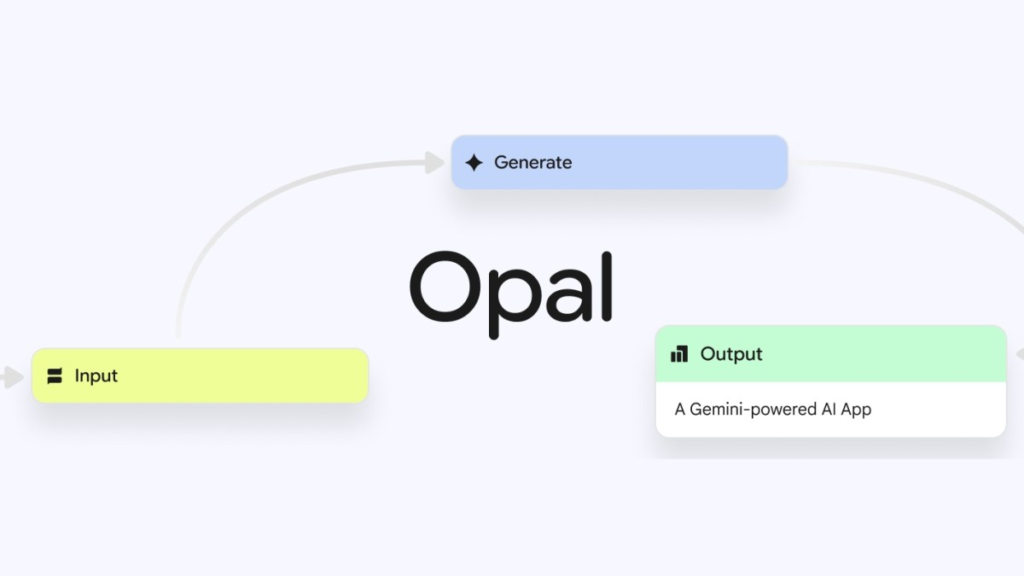
In a move that underscores its continuous drive to innovate, Google is testing a new app called Opal, designed to bring vibe-coding into the hands of tech enthusiasts and beginners alike. This experimental tool aims to democratize coding by allowing users to engage with technology in an intuitive and visual manner, making the coding experience more accessible and creative.
Revolutionizing Coding Through Intuition
Opal emerges as a part of Google’s broader initiative to increase inclusivity in technology. Rather than following the traditional formats of learning programming languages, Opal introduces a unique approach where users can grasp the essence of coding through a visual and sensory experience. The app leverages animations, colors, and sounds to guide users as they navigate coding concepts, translating complex ideas into an intuitive user experience.
The brainchild behind Opal is a team of Google engineers inspired by the growing interest in pedagogical tools that prioritize creativity over technical precision. This initiative highlights Google’s commitment to fostering creativity and learning, making technology more engaging and less intimidating for those unfamiliar with conventional coding environments.
How Opal Works
The core of Opal’s functionality lies in its interactive interface. Users are introduced to coding through vibrant visual elements and audio cues that represent different coding structures and concepts. As users progress, they can build complex projects without the need for advanced technical knowledge often required by more traditional programming languages.
Opal facilitates learning through a series of challenges and projects that encourage exploration and creativity. For example, users might start by creating simple animations or interactive stories, gradually moving towards more intricate designs as they become more familiar with coding fundamentals. This progression mimics the natural learning process, allowing users to comfortably expand their skills in a hands-on manner.
Targeting a Broad Audience
With Opal, Google seeks to attract a diverse user base that includes educators, students, and creative professionals. Educators can utilize the app as a teaching tool in classrooms to make computer science more engaging and accessible to students of all ages. Creative professionals can explore new ways to integrate coding into their projects, enhancing their creative toolkit.
The app is also expected to appeal to hobbyists and tinkerers who are interested in experimenting with codes and creating innovative projects without the steep learning curve typically associated with traditional programming paradigms. This democratization of technology aligns with a growing societal demand for tools that enable everyone to participate in the digital revolution.
Opal’s Place in Google’s Product Ecosystem
Opal fits seamlessly within Google’s expanding suite of educational and creative tools. It complements existing platforms like Google Classroom and Blockly, and demonstrates the company’s ongoing commitment to educational innovation. By offering Opal alongside these tools, Google is positioning itself as a leader in the education technology space, paving the way for a new generation of tech-savvy individuals.
Looking forward, Google plans to continuously improve Opal based on user feedback from the testing phase, ensuring the app remains at the cutting edge of educational technology. As users dive into vibe-coding with Opal, it’s anticipated that the tool will evolve to include more features and enhanced capabilities to meet a wide range of user needs.
In conclusion, Opal emerges not only as a tool for coding but as a catalyst for a new way of thinking about technology education. By tapping into the senses and promoting an experiential learning model, Google is setting the stage for a future where technology is more accessible and integral to creative expression. As this innovation unfolds, it holds the promise of transforming how we learn and interact with technology in our everyday lives.
, image: https://techcrunch.com/2025/07/25/google-is-testing-a-vibe-coding-app-called-opal/