


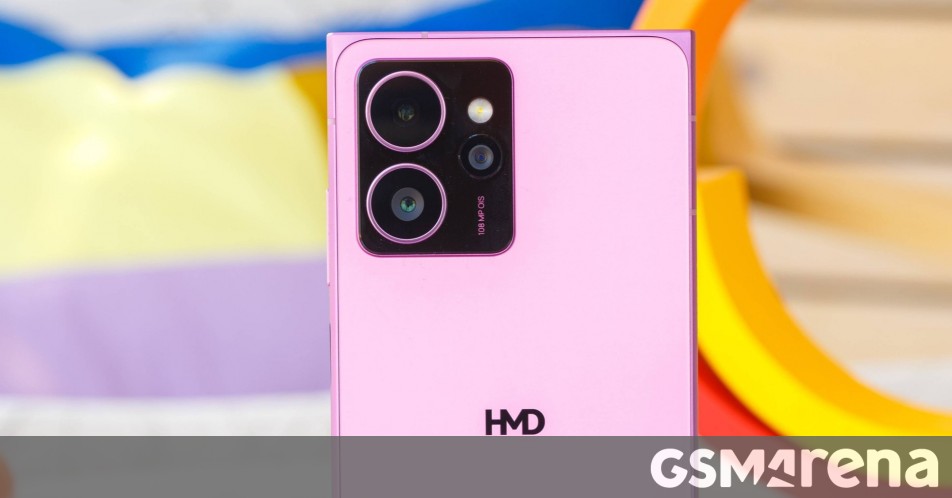
HMD Global, the company behind the Nokia brand, has recently decided to downsize its operations in the United States, marking a strategic pivot in its global business affairs. This development comes as part of an evolution in HMD’s operational focus, as the company seeks to better align its resources with its core markets and future aspirations.
Shifting the Focus
HMD Global is known for its commitment to producing durable and reliable mobile phones under the Nokia brand, which has seen fluctuating market presence since its revival. In an effort to streamline operations and focus on areas with the highest growth potential, HMD has opted to scale back its activities in the US. This move does not signify a complete withdrawal but rather a strategic reduction in its business footprint in an increasingly competitive market.
The US market, dominated by a few large players, presents significant challenges for any aspiring mobile phone manufacturer. The intense competition, coupled with the high marketing costs required to make a breakthrough, often necessitates a reassessment of strategy for companies entering or expanding in this landscape. By trimming its US operations, HMD is likely looking to redirect resources towards more promising markets or innovative product developments.
The Path Forward
While reducing its presence in the US, HMD Global remains committed to its existing customers and partners within the market. The company has indicated that it will continue to support its current customer base with service and warranty support. This approach aims to maintain brand loyalty and confidence among its user community in the region.
Additionally, HMD’s focus appears to be shifting towards regions where the Nokia brand has historically performed well and where market conditions are more favorable for growth. This could mean increased attention on European countries, parts of Asia, and Africa, where Nokia phones historically have a solid reputation for reliability and affordability.
Future Projections
As part of its recalibrated strategy, HMD Global is likely to invest more heavily in innovation and development of new technologies that appeal to its target demographics. This may involve exploring emerging technologies in 5G, AI-enhanced features, and sustainable manufacturing practices that align with global market trends and consumer preferences.
Moreover, HMD could potentially look at collaborations or partnerships with other tech companies to enhance its product offerings or explore new sales channels that could provide a competitive edge in alternative markets.
Market Implications
The decision to reduce operations in the US could hold significant implications for the smartphone market dynamics. By focusing its energy and resources on more receptive markets, HMD Global positions itself to capture a greater share of these markets, potentially driving innovation and competition. For consumers, this could translate to a wider array of choices and the availability of robust devices outside the typically targeted regions.
This strategic cutback also serves as a reminder of the challenges faced by international players in the US consumer electronics market and highlights the importance of adaptability and targeted focus for brands seeking longevity and success in the industry.
In conclusion, while HMD’s decision to scale back in the United States echoes the broader competitive pressures faced by global tech firms, it also underscores a focused approach towards harnessing its strengths and capitalizing on opportunities where its brand can thrive. This pivot could ultimately pave the way for a strengthened position in key global markets, serving both the interests of the company and the expectations of its loyal customer base.
, image: https://www.gsmarena.com/hmd_usa_business_exit-news-68584.php