


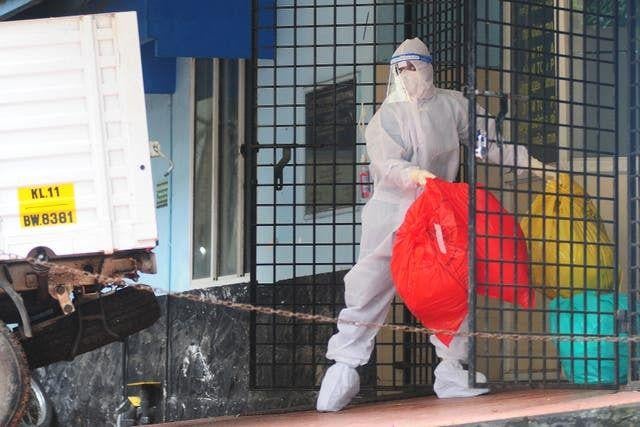
In recent days, India has rapidly mobilized its health resources in response to a new virus outbreak that has raised concerns globally. This health scare has prompted swift action from public health officials aiming to mitigate the potential spread and minimize its impact.
Understanding the Situation
The emergence of this virus was first reported in a major city in India, where initial cases began surfacing. Health authorities quickly identified the virus and initiated measures to control its transmission. The symptoms observed in those infected include severe respiratory issues, fever, and other flu-like symptoms, drawing parallels to previous viral outbreaks in the region.
Medical teams on the ground are working tirelessly to diagnose and treat affected individuals while tracking the virus’s origin and path. Early reports suggest that the virus may be linked to zoonotic transmission, although further investigations are being carried out to pinpoint its source accurately.
Immediate Response and Preventive Measures
India’s health ministry has enacted several precautionary measures to contain the virus, including setting up quarantine zones in affected areas. Medical professionals are providing round-the-clock care to those infected, while public health campaigns emphasize the importance of hygiene and safety protocols. Citizens are urged to adhere to social distancing guidelines and use face masks to curtail the spread.
In addition to local efforts, international health organizations are lending support, providing expertise and resources to aid in the crisis. Collaboration with these global entities aims to enhance diagnostic capabilities and streamline treatment protocols to better handle the situation.
Public Concerns and Government Transparency
With the outbreak dominating headlines, public anxiety has naturally surged. The government, in an attempt to maintain transparency and assurance, has held regular press conferences to update citizens on the evolving situation. These briefings aim to dispel rumors and misinformation while reinforcing public confidence in the ongoing efforts.
Educational campaigns are underway to inform the populace about recognizing symptoms early and the steps to take if one suspects exposure to the virus. The importance of these efforts cannot be overemphasized as they equip citizens with the knowledge to act appropriately and diminish panic.
Impact on Public Life and Economy
The outbreak has had a noticeable impact on daily life and economic activities in affected areas. Shop closures, reduced public transport operations, and restrictions on large gatherings have been implemented. Businesses are navigating the challenges presented by reduced consumer activity and supply chain disruptions.
In response to these economic challenges, the government is exploring relief measures to support affected businesses and individuals. By doing so, they aim to alleviate some of the financial strains caused by the health crisis.
As the situation develops, continued vigilance and cooperation from all sectors of society will be crucial. The ability to stem the virus effectively relies not only on government action but also on the community’s collective effort to adhere to recommended health practices.
Ultimately, India’s response to this virus outbreak highlights the importance of preparedness and coordinated action in the face of health emergencies. By remaining proactive, the nation hopes to navigate this crisis with minimal impact on public health and societal functioning.