


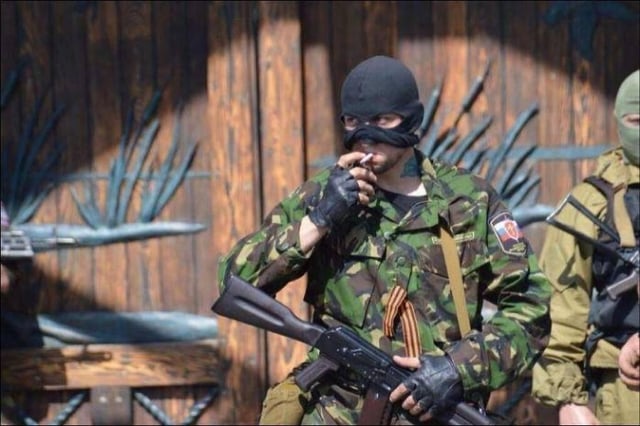
In a significant development amidst the ongoing conflict between Russia and Ukraine, recently intercepted communications have revealed troubling orders given by a Russian commander regarding the treatment of Ukrainian detainees. The intercepted messages have brought to light the harsh realities faced by those captured in the conflict, highlighting the urgent humanitarian concerns that accompany these military engagements.
Intercepted Communications Unveil Grave Instructions
According to Ukrainian intelligence sources, the intercepted orders provide a disturbing insight into the on-ground reality of military operations. The commander’s directives reportedly advocate for harsh treatment of Ukrainian detainees, echoing a traditional hardline approach. These instructions come at a time when both nations are under increased international scrutiny for their conduct in the ongoing conflict.
The specific details of the communication reveal that the commander instructed subordinates to adopt stringent measures in handling the detainees. Such measures provoke significant concerns among international human rights organizations, which already voice alarm over potential violations on both sides of the conflict.
International Implications and Reactions
The revelations have triggered widespread reactions on the international stage, with various governments and human rights groups condemning the actions. The intercepted orders underscore the fraught nature of ongoing hostilities and raise numerous questions about the broader humanitarian tactics employed in the conflict.
The international community, including major Western nations and organizations such as the United Nations, have called for an immediate investigation into these reports. The implications of these intercepted orders are likely to influence diplomatic relations and could lead to further sanctions or actions against parties found in violation of international law.
Amid these developments, calls for adherence to the Geneva Conventions—particularly concerning the treatment of prisoners of war—have gained renewed urgency. Observers point out that such violations not only exacerbate the humanitarian crisis but also hinder any potential resolution to the conflict.
Current Military and Political Context
The conflict in Ukraine, sparked by political turmoil and territorial disputes, has evolved into a complex geopolitical issue. The involvement of outside nations and alliances has only added layers of complexity to efforts seeking peace and stability in the region. As military engagements continue, incidents like the recent interception serve as reminders of the conflict’s human costs.
Experts suggest that the psychological and physical toll on both military personnel and civilians should not be underestimated. The intercepted orders are a stark reflection of the desperation and heightened aggression as both nations vie for strategic advantages. Despite numerous attempts at negotiation and ceasefire, lasting peace has remained elusive.
The geopolitical landscape surrounding the Ukraine conflict is fraught with competing interests and narratives. As these developments unfold, they illustrate the broader implications for international security and the pressing need for a sustainable resolution that addresses not only territorial disputes but also human rights concerns.
As the international community digests these latest revelations, pressure mounts on governmental bodies and non-governmental organizations to prioritize humanitarian aid and advocacy for the rights of detainees. The recent incidents underscore the perilous state of those caught in the crossfire and the vital importance of upholding ethical standards in warfare.
The ongoing conflict and incidents such as the intercepted communications signal the dire conditions on the ground and the urgent necessity for global engagement in pursuit of peace and justice. The coming weeks and months may prove critical in shaping the trajectory of this conflict and the broader regional stability. With the world’s eyes scrutinizing the situation, every action taken by those in power will be weighed against the promised ideals of international law and human rights.