


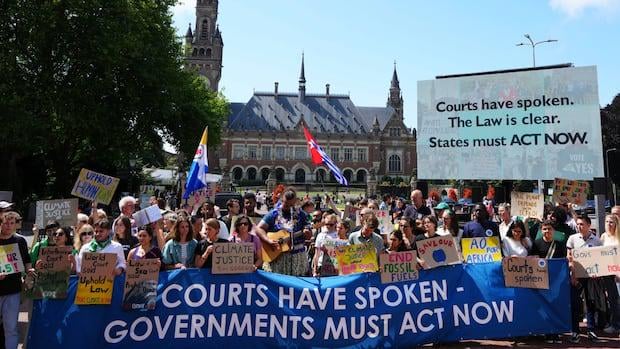
The United Nations International Court of Justice has issued a landmark advisory opinion declaring that failure to curb climate change constitutes a violation of international law. This unprecedented move underlines the heightened global focus on tackling environmental degradation and the legal responsibilities of nations to protect the planet.
A Groundbreaking Legal Perspective
The court’s decision marks a significant turning point in international climate change law. By linking the lack of effective climate action to breaches of legal obligations, the ruling underscores the urgency and seriousness with which climate protection must be approached by nations worldwide. This perspective aligns with growing evidence and scientific consensus on climate change’s impacts and the need for immediate and coordinated action.
According to the court, countries failing to meet their climate commitments could potentially be held accountable not just in the court of public opinion but also in the arena of international law. This could have widespread implications for how nations formulate and implement their environmental policies, especially concerning carbon emissions and renewable energy investment.
Global Implications for Environmental Policies
The court’s decision arrives at a crucial time when global climate agreements and commitments are under increasing scrutiny. It amplifies the call for developed and developing nations alike to reassess their strategies to combat climate change challenges. Climate justice advocates argue that such legal opinions could serve as a catalyst for more stringent climate policies and regulations.
For policymakers around the globe, this advisory opinion could instigate a reevaluation of current national policies. Nations that have been lagging in their commitments may find themselves under increasing pressure to step up their efforts. The establishment of legal obligations also implies potential consequences for non-compliance, which might include international sanctions or other diplomatic repercussions.
Expert Reactions and Analysis
Environmental experts and legal scholars have lauded the court’s ruling, viewing it as a pivotal moment in the fight against climate change. By explicitly linking environmental stewardship with legal duty, the court has expanded the toolkit available to activists and policymakers. It provides a new dimension for climate litigation and could embolden more lawsuits against governments and corporations for failing to act on climate promises.
Moreover, this decision could inspire other international bodies to consider climate change within their mandates, potentially leading to a more integrated global approach to addressing environmental threats. Some experts warn, however, that translating such international opinions into tangible policy changes in individual countries could remain a complex and lengthy process.
Stepping Up Global Climate Efforts
The ruling bolsters the argument for enhanced international collaboration and underscores the necessity of unified efforts to tackle climate issues. The interconnectedness of global ecosystems means that actions or inactions in one region can have far-reaching consequences elsewhere. Therefore, international cooperation is not just beneficial but imperative.
This advisory opinion could also rejuvenate international dialogues on climate finance, particularly the responsibilities of developed nations to support climate mitigation and adaptation in poorer countries. Ensuring that vulnerable nations receive the necessary support and resources to address climate change effectively remains a critical aspect of ongoing negotiations.
Moving Towards a Sustainable Future
As nations and communities contend with the escalating impacts of climate change, the court’s ruling serves as a reminder of the shared duty to protect the planet. The decision may encourage a more proactive stance in climate policy discussions, prompting governments to adopt more aggressive and comprehensive measures to mitigate climate risks.
In conclusion, the United Nations International Court of Justice’s advisory opinion highlights the seriousness of the climate crisis and frames environmental protection as an indispensable element of legal responsibilities shared globally. As countries navigate these legal obligations, the planet’s future hinges on not just pledges but actionable and sustained commitments to a sustainable, greener future.