


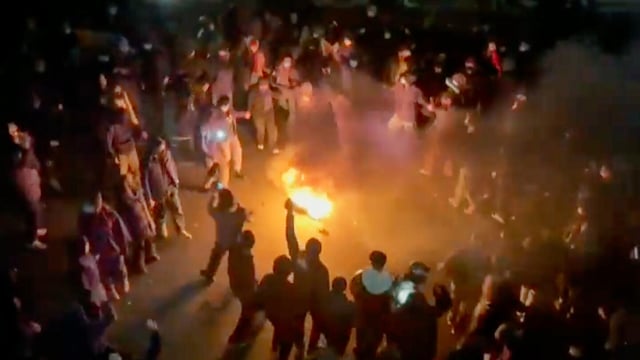
In a troubling report that has emerged from Iran, activists have raised significant concerns about the state’s treatment of individuals arrested for various offenses. Human rights groups claim that the government has televised at least 97 coerced confessions from detainees, many of whom allegedly faced intense pressure and abuse to confess to crimes they did not commit. This revelation highlights longstanding issues around Iran’s justice system and raises questions about the country’s commitment to international human rights obligations.
Understanding Coerced Confessions
Coerced confessions are statements extracted from defendants through force, intimidation, or other forms of pressure. In Iran, these confessions often occur under duress and are broadcasted on national television to discourage dissent and create a climate of fear. Activists argue that the practice not only violates basic human rights but also undermines the integrity of the judicial process.
The Iranian government has often been criticized for using television as a tool to broadcast these confessions, portraying a narrative that aligns with state interests. Critics contend that these televised declarations are typically devoid of legal representation or justice, reflecting a broader pattern of human rights abuses within the country.
Implications for Human Rights in Iran
Iran’s use of coerced confessions raises serious concerns among international human rights organizations and foreign governments. The practice directly contravenes multiple international agreements, including the International Covenant on Civil and Political Rights (ICCPR), to which Iran is a signatory. These agreements emphasize the need for fair trials and prohibit torture and inhumane treatment.
The reliance on forced confessions also casts doubt on the validity of convictions and raises questions about the fairness of trials in Iran. By broadcasting these confessions without due process, Iran not only disregards international norms but also diminishes trust in its legal system.
The Impact on Iranian Society
The practice of forcibly extracting confessions has far-reaching repercussions on Iranian society. It fosters an environment of fear and paranoia, where citizens may hesitate to express dissent or criticize the government, fearing retribution. This atmosphere suppresses political activism and curbs free expression, stifling the democratic process.
Families of those coerced into confessing are also deeply affected, often facing societal stigma and economic hardship as a consequence of their loved ones’ publicized ‘crimes.’ This societal impact underscores the broader human cost associated with the practice.
International Response and Calls for Change
Global human rights entities and various countries have long called for Iran to reconsider its stance on coerced confessions. Diplomats and international watchdogs frequently urge Tehran to align its judicial practices with accepted human rights standards. However, despite the repeated calls for reform, the practice remains entrenched.
Efforts are ongoing to increase global awareness of the issue, with activists striving to bring international pressure on Iran to abolish this practice. Human rights organizations continue to document cases and offer support to victims in hopes of securing justice and accountability.
As Iran continues to grapple with internal and external pressures, the international community remains watchful, advocating for change and promoting respect for human rights. The broadcast of coerced confessions is not just an Iranian issue; it is a challenge to the principles of justice and human dignity everywhere.