


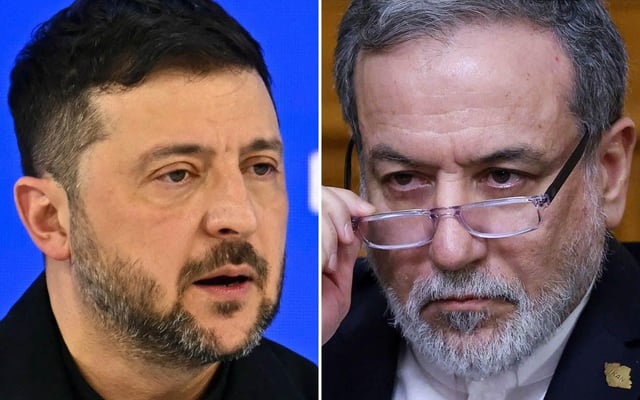
In an unexpected diplomatic exchange, the Iranian Foreign Minister has delivered a sharp rebuke to Ukrainian President Volodymyr Zelensky. The tension between the two nations surfaced after Zelensky made comments perceived as supportive of recent protests in Iran, prompting Tehran to denounce his statements as inappropriate interference in its domestic affairs. This war of words adds a new layer to the already complex geopolitical relationships involving Iran and Ukraine.
Background on Ukraine-Iran Relations
The relationship between Ukraine and Iran, though not as high-profile as other diplomatic partnerships, has been strained by a series of unfortunate incidents. The most notable of these was the downing of Ukraine International Airlines Flight PS752 by an Iranian missile in January 2020, which resulted in the tragic loss of 176 lives, including many Ukrainians. This incident led to widespread international condemnation and placed significant strain on Iran’s diplomatic relations with several countries.
More recently, Ukraine’s vocal support for protest movements and human rights within Iran has further complicated matters. Zelensky’s recent remarks, in particular, interpreted by Iran as undermining its sovereignty, have hit a nerve in Tehran, emboldening its officials to respond with unusual candor.
Protests and International Reactions
The domestic unrest in Iran, which has seen citizens take to the streets, is part of a broader wave of protests in the region, driven by economic hardships and calls for greater freedoms. These protests have been the focal point of international attention, drawing comments and reactions from world leaders. Zelensky’s support for these protests aligns with his broader international stance on democracy and human rights, which Iran’s leaders have found particularly objectionable.
The Iranian regime has characterized the protests as being incited by foreign powers, dismissing any international criticism as interference in their sovereign matters. They have consistently warned against foreign governments weighing in on their domestic issues, a line that Zelensky’s recent comments have seemingly crossed, prompting the strong retort from Iran’s Foreign Ministry.
Diplomatic Implications
The verbal sparring between Iran and Ukraine highlights the fragility of diplomatic ties in an increasingly interconnected world where domestic issues rapidly become international talking points. For Iran, managing its international image while dealing with internal dissent is a delicate balancing act. The sharp response to Zelensky may be seen as part of a broader strategy to deter other nations from making similar comments.
For Ukraine, this exchange underscores the challenges of navigating international diplomacy amid its ongoing tensions with Russia. As it seeks support from western allies, Ukraine’s leadership may be walking a fine line between advocating for global democratic values and maintaining necessary diplomatic channels open.
While it is uncertain how this diplomatic scuffle will evolve, it remains a stark reminder of the complex web of international relations and the unforeseen consequences that can arise from it. It also serves as a testament to the power of words in the diplomatic sphere, where a single statement can provoke a significant geopolitical ripple effect.
In the coming weeks, eyes will be on both Kyiv and Tehran to see if any further developments occur, or if efforts at diplomatic repair or restraint come to the fore to ease the tensions that currently pervade their relationship.