


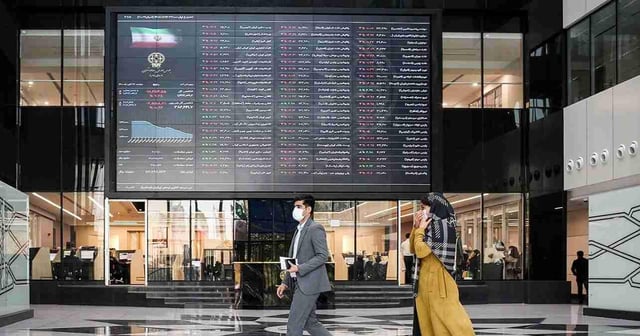
As Iran grapples with a myriad of economic challenges, the situation presents a complex web of escalating production costs and wavering business confidence. These factors are deeply intertwined, creating a tough environment for industries and businesses across the country. At the heart of these struggles lies an intricate tapestry of political, social, and financial elements that continue to shape Iran’s economic landscape.
The Impact of Rising Production Costs
The Iranian economy has been significantly impacted by rising production costs, which have surged in recent months. This increase is largely attributed to inflationary pressures, global market dynamics, and domestic economic policies. With the cost of raw materials on the rise, businesses are finding it increasingly difficult to maintain their profit margins, a challenge that is further compounded by the fluctuating value of the Iranian rial.
For manufacturers, these rising costs manifest in everything from raw materials to energy expenses, leading to increased financial pressure. Many companies are struggling to absorb these costs without passing them on to consumers, which in turn could lead to reduced demand for their products, stifling growth and innovation.
Inflation: A Persistent Challenge
Inflation remains a persistent challenge within Iran, further exacerbating the issue of production costs. The national economy has seen inflation rates soar into double digits, with some estimates placing it as high as 40%. Such economic instability not only affects production costs but also contributes to the unease felt by both businesses and consumers.
Business Confidence in Decline
Alongside rising costs, there is a notable decline in business confidence within Iran. This downturn is partly due to external factors such as international sanctions, which have cut off Iranian businesses from many global markets and restricted their access to foreign investment and technology.
Internal factors also play a crucial role. The uncertainty surrounding government policies and the political climate has led to a lack of confidence among business leaders. Many are hesitant to make long-term investments, fearing abrupt policy changes or further economic sanctions that could jeopardize their operations.
The Role of Sanctions
International sanctions have long been a thorn in Iran’s economic side, significantly impacting its ability to engage with global trade networks. Sanctions have targeted critical sectors such as energy and banking, limiting the country’s ability to secure investments and access critical technologies. As a result, many Iranian businesses find themselves isolated, struggling to compete globally while dealing with mounting internal pressures.
Political and Social Implications
The economic struggles facing Iran have far-reaching political and social implications. As the government navigates these challenging waters, its decisions will undoubtedly impact not only the economic well-being of the nation but also its social fabric. Rising unemployment, inflation, and declining living standards contribute to societal unrest and increased pressure on political leadership.
The Iranian government must balance these economic issues with the need for social stability and growth. Policies aimed at alleviating inflation and fostering a more business-friendly environment are essential to restoring confidence and promoting economic resilience.
Potential for Reform
There is a growing discourse around the potential for economic reform in Iran. Advocates for change argue that embracing a more open economic model could attract foreign investment, spur innovation, and encourage competitive business practices. However, such reform would require significant shifts in policy and priorities, presenting a formidable challenge to established norms.
While these economic struggles pose significant challenges, they also offer opportunities for change and growth. Whether Iran can harness these opportunities to build a more robust and dynamic economy remains to be seen. What is certain is that the country’s path forward will be closely watched by international observers and invested parties eager to understand the implications for regional and global economic landscapes.