


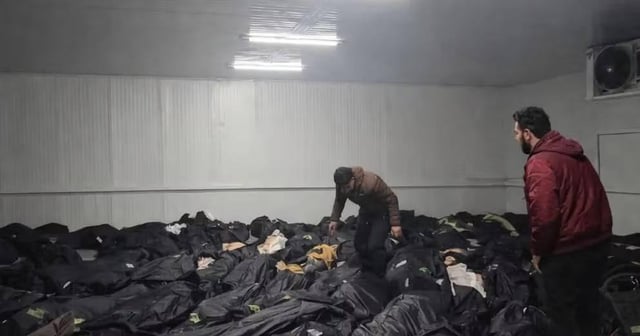
In a somber highlight of Iran’s turbulent history, a tragic massacre reportedly claimed the lives of over 36,500 individuals. This event, etched deeply into the nation’s memory, underscores a period of intense political upheaval that reverberates through generations.
The Context of Political Turmoil
Iran has a long history marked by moments of significant political transformation, often accompanied by conflict and unrest. The massacre in question took place during a particularly volatile time in Iran’s history as the nation grappled with internal strife and external pressures. Understanding this event requires delving into the broader context of the political landscape during that era.
The years leading up to the massacre were characterized by spirited opposition movements against the ruling powers, driven by demands for political reform and greater freedoms. These movements were met with varying degrees of repression, culminating in an outburst of violence that would mark one of the darkest chapters in Iranian history.
The Scale of the Tragedy
The reported loss of over 36,500 lives presents a chilling reminder of the human cost of political conflict. This staggering figure illustrates not only the scale of the tragedy but also the intensity of the government’s response to perceived threats to its authority. It reflects a broader pattern of human rights abuses that has been a point of contention and condemnation on the global stage.
The massacre impacted not only those directly involved but also their families and communities, leaving a lasting scar that still influences Iranian society and politics today. The victims included not just political dissidents and activists but also bystanders caught in the deadly crossfire of the state’s crackdown.
Legacy and Reconciliation
In the aftermath of such an event, the process of reconciliation and coming to terms with the past is both painful and necessary. Iran continues to confront this part of its history through dialogue, remembrance, and the subtle shifts toward greater transparency and justice. However, efforts to achieve true accountability and reconciliation remain fraught with challenges.
Discussions around the massacre often resurface amid conversations about Iran’s human rights record and the enduring struggle for advancement and reform. While some narratives emphasize the resilience of the Iranian people in the face of adversity, others focus on the need for institutional change to prevent such atrocities from recurring.
Ultimately, the memory of those lost in the massacre serves as a poignant reminder of the pressing need for progress and the protection of basic human rights. It stands as a call to maintain vigil and strive for a future where the horrors of the past do not repeat themselves.
As Iran navigates its current political climate, the lessons from this devastating chapter in its history play a significant role in shaping both domestic policies and international relations. The event remains a significant point of reflection for the nation and the global community, illustrating the profound impact of unchecked power and the universal importance of safeguarding human dignity.