


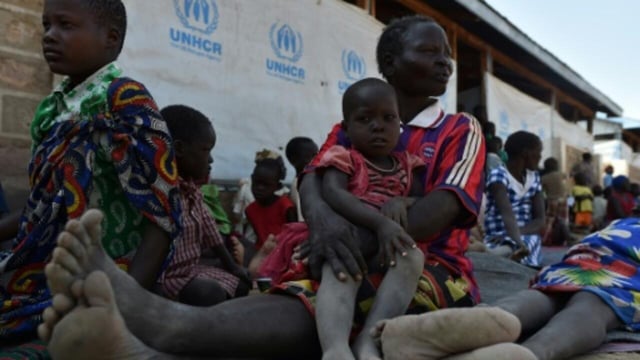
In recent days, the Kakuma Refugee Camp in Kenya has been at the center of mounting tensions and unrest. Demonstrations have erupted among the camp’s residents, sparked by a significant reduction in humanitarian aid, which has left thousands struggling to meet basic needs. The camp, one of the largest in the world, hosts refugees from neighboring countries, mainly from South Sudan and Somalia.
The Roots of Unrest
The core of the protesters’ grievances lies in the substantial cuts to food and essential supplies that have been a lifeline for the camp’s inhabitants. These reductions, enforced due to dwindling international donations and resources, have severely impacted the quality of life within the camp. Residents claim the lack of essential services and inadequate living conditions prompted them to take to the streets in protest.
Many refugees have expressed a pervasive sense of abandonment. As international focus shifts to other crises around the globe, camps like Kakuma face the brunt of reduced global attention. This neglect has led to rising tensions within the camp, with residents demanding that authorities and aid organizations address their immediate needs.
Impact on Humanitarian Efforts
The protests have also highlighted the immense challenges faced by humanitarian organizations working in the region. With less funding, agencies are forced to make difficult decisions about resource allocation, often prioritizing immediate needs over long-term development. These constraints hinder efforts to provide not only food but also health care, education, and other vital services to refugees.
Organizations like the United Nations High Commissioner for Refugees (UNHCR) continue to appeal for increased international support. However, the disparity between available resources and growing needs continues to widen. This situation has complicated collaborative efforts between humanitarian agencies and Kenyan authorities to maintain peace and stability in the camp.
Struggles for Basic Services
Access to health care and education, already challenged by logistical issues, has been further strained by recent cutbacks. Medical facilities within the camp report shortages of crucial supplies, affecting the treatment of both acute and chronic conditions. Education services are similarly under pressure, with resources stretched thin across schools that serve tens of thousands of children.
- Shortages in medical supplies impacting health services.
- Educational resources strained, affecting children’s access to schooling.
- Recurring shortages in food distribution exacerbate malnutrition risks.
Voices From Kakuma
The camp’s residents have been vocal about their plight, utilizing protests as a channel to express their frustrations and demands. Interviews with refugees reveal a community caught in a cycle of uncertainty and hardship. Their stories reflect the profound impact that diminished aid has on everyday life within the camp.
One resident, a single mother from South Sudan, shared her difficulty in providing for her children under these circumstances. “We receive food that is barely enough to last half a month,” she said, highlighting the critical gap between supplies and needs.
Despite the hardships, the community’s resilience is evident, with residents banding together to share the limited resources available. Camp organizers and community leaders continue to engage with authorities, aiming to find sustainable solutions to ongoing challenges. However, without increased support, they fear conditions may deteriorate further.
The situation in Kakuma underscores the pressing need for sustained international aid and attention. As global crises continue to shift focus and resources, the plight of refugees in long-standing camps must not be forgotten.
As the demonstrations continue, the international community faces a key test in addressing humanitarian needs amidst competing global priorities. The future well-being of thousands of refugees depends on immediate and decisive action to restore essential services to those in need.