


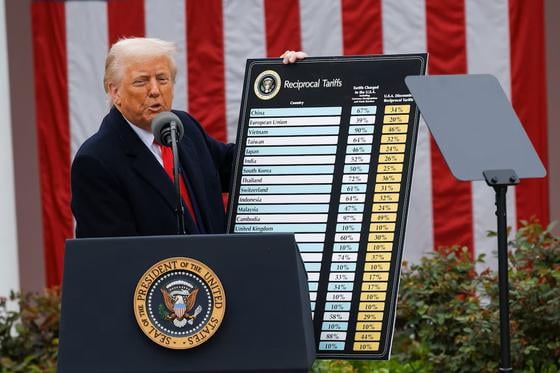
The Republic of Korea is set to bolster its trade negotiations with the United States in response to recent tariff announcements that could significantly impact bilateral economic relations. This development highlights the evolving dynamics of international trade, amid global economic uncertainties and shifting geopolitical alliances.
Background to the Current Situation
In recent weeks, the U.S. government unveiled a new tariff structure, aimed at addressing perceived trade imbalances and protecting domestic industries. These tariffs, particularly targeting goods from major trading partners, have sparked concerns and prompted reactive measures across the globe. The Republic of Korea, with its robust trade ties to the United States, has found itself at the forefront of economies affected by these changes.
South Korea’s Ministry of Trade, Industry, and Energy has expressed a strong commitment to mitigating any adverse effects on its economy by engaging in intensified diplomatic talks with their American counterparts. The Korean government is particularly concerned about sectors such as automobiles and electronics, which are critical to its economy and could bear the brunt of the new tariffs.
Key Areas of Negotiation
Diplomatic envoys and trade representatives from Korea are expected to focus their discussions with the United States on a few key areas:
- Automobile Exports: South Korea is one of the leading exporters of automobiles to the U.S. market. The newly proposed tariffs threaten to increase the cost of Korean vehicles in the U.S., potentially reducing their competitiveness. Korean negotiators aim to seek exemptions or modifications to protect this vital industry.
- Consumer Electronics: Another significant area of concern is consumer electronics, where South Korean companies like Samsung and LG dominate. The proposed tariffs could lead to increased prices for consumers and reduced market share for Korean companies.
- Steel and Aluminum: Previous rounds of tariffs on steel and aluminum had already affected South Korean producers. The latest developments might exacerbate these issues, necessitating renewed discussions to ensure fair trade practices are maintained.
Strategic Importance of Korea-U.S. Economic Ties
The economic relationship between South Korea and the United States is a cornerstone of both nations’ foreign policy and economic strategies. Trade between the two countries reached approximately $130 billion in recent years, underscoring the deep interconnections across various sectors.
For the United States, South Korea serves as a critical ally in Asia, not only from an economic standpoint but also in terms of regional security and geopolitical stability. The close collaboration on economic issues often complements military and strategic partnerships, creating a multifaceted alliance.
For South Korea, access to the U.S. market is crucial for sustaining its export-driven economy. As a leading innovator in technology and manufacturing, maintaining smooth trade relations with the United States allows Korean companies to thrive on the global stage.
Potential Outcomes and Global Implications
The intensification of trade talks between Korea and the U.S. could lead to several potential outcomes. A successful negotiation might result in concessions that mitigate the negative effects of the tariffs on critical sectors such as automobiles and electronics. This could benefit not only Korean companies but also American consumers and industries dependent on Korean imports.
Conversely, if negotiations stall or fail, it could lead to increased tension and economic repercussions that extend beyond the two countries. The ripple effects could influence global supply chains, affecting industries and markets around the world. Such a scenario might also encourage other nations to adopt protectionist measures, further complicating the global trade landscape.
The developments in Korea-U.S. trade negotiations are being watched closely by other countries and international economic bodies. As the world navigates through these uncertain times, the outcomes of these talks could set significant precedents for international trade policies and diplomacy.
As both nations continue to engage in these crucial discussions, the global community remains attentive, recognizing that the stakes are high and the implications far-reaching. The coming weeks will be pivotal in determining the future trajectory of South Korea-U.S. economic relations and their broader impacts across the international community.