


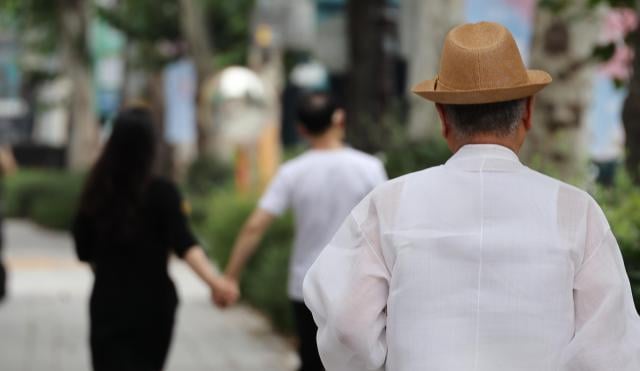
In a demographic shift that underscores significant societal changes, South Korea’s elderly population has now surpassed the 10 million mark. This milestone signals important implications for the country’s economy, healthcare system, and social dynamics, drawing attention to the challenges and opportunities that come with an aging society.
Demographic Shifts and Implications
South Korea is grappling with one of the world’s fastest-aging populations, a trend compounded by one of the lowest birth rates globally. The elderly, defined as those aged 65 and older, now constitute a substantial portion of the nation’s total population. This demographic evolution poses considerable challenges, particularly in terms of sustaining economic growth and managing the increasing demand for healthcare and social services.
The rise in the elderly population is prompting policymakers to reform various aspects of public policy, from pension systems to employment practices. These changes are crucial to ensuring that older adults remain active participants in the workforce and society. In response, the government is increasingly investing in healthcare infrastructure and community programs aimed at supporting senior citizens.
Economic Impact and Workforce Participation
The economic implications of an aging population are profound. As the working-age population shrinks relative to the elderly, there is increased pressure on the pension system and other social safety nets. The government faces the challenge of maintaining economic stability while providing adequate support for its growing elderly population.
To mitigate these effects, there are calls for policies that encourage the extension of working life. In particular, businesses are urged to adapt their employment practices to be more inclusive of older workers, who can offer valuable experience and skills. Increasing the retirement age and promoting flexible work arrangements could also help alleviate the economic pressures posed by a rapidly aging population.
Social and Cultural Dimensions
Beyond economic concerns, South Korea’s changing demographics also have significant social and cultural ramifications. There is a growing need for societal adaptation to ensure that older individuals remain integrated and active community members. This involves addressing issues such as age discrimination, promoting lifelong learning, and fostering intergenerational understanding.
Efforts are being made to highlight and celebrate the contributions of older individuals to society. This includes recognizing their role in preserving cultural traditions and supporting family structures. Programs that facilitate cultural exchanges and dialogues between different generations can promote greater social cohesion and mutual respect.
As South Korea navigates these demographic changes, the nation finds itself at a crossroads. The path forward requires comprehensive strategies that not only address the immediate challenges posed by a growing elderly population but also leverage the opportunities it presents. By fostering a society that values its aging citizens, South Korea can build a more resilient and inclusive future.