


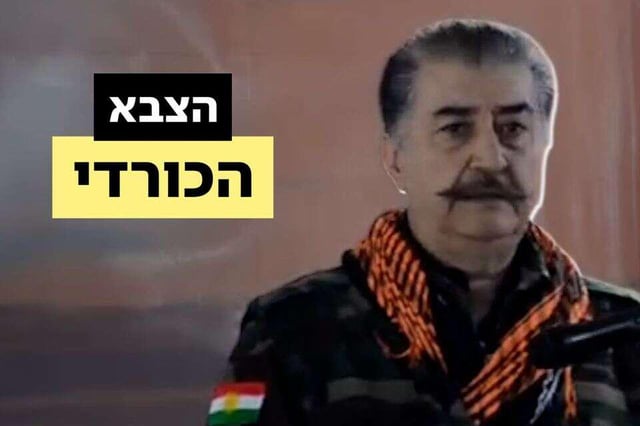
In a significant development unfolding in the Middle East, the Kurdistan National Army (KNA) is reported to have launched an attack on an Iranian government facility. This audacious move has set off alarms in an already volatile region, raising concerns about escalating tensions and the broader implications for regional stability.
Background of the Attack
The incident reportedly took place over the weekend, targeting a strategic location within Iranian territory. The motive behind this offensive maneuver is believed to be rooted in the ongoing ethno-political struggles that have defined Kurdish-Iranian relations for decades. As the Kurdish forces seek greater autonomy and recognition, such actions underline the simmering discontent and the lengths to which some factions are willing to go.
This attack is not an isolated incident but rather part of a series of ongoing clashes between Kurdish forces and Iranian authorities. Historically underrepresented and marginalized, the Kurdish population in Iran has persistently sought more autonomy and rights, frequently resulting in skirmishes and occasional escalations.
Regional Reaction and Tensions
The Iranian government has swiftly condemned the attack, accusing the KNA of destabilizing efforts and jeopardizing regional peace. In a sharply worded statement, Tehran has vowed to respond decisively to any further provocations, stating that the nation’s sovereignty will be robustly defended.
Meanwhile, the Kurdish leadership has issued its narrative, justifying the attack as a necessary step in combating long-standing injustices faced by Kurdish communities. While the Kurdistan National Army has not officially claimed responsibility, various news outlets report that senior officials within the KNA have hinted at their involvement, citing it as a response to ongoing oppression.
Global Implications
Several countries and international bodies have expressed concern over the potential for further escalation. The incident has prompted calls for dialogue and restraint from global powers keen on maintaining stability in a region already fraught with multiple conflicts.
Strategic analysts suggest that this development could have ripple effects on global diplomatic relations, especially in light of Iran’s contentious interactions with Western countries. The possibility of foreign actors getting drawn into this dispute cannot be entirely discounted, particularly as major powers vie for influence in the Middle East.
The Path Forward
While the immediate aftermath remains uncertain, sources within the region are advocating for peace talks and renewed efforts at mediation. There is widespread acknowledgment that ongoing hostilities could have catastrophic consequences not only for Iran and the Kurdish population but also for neighboring states.
The Kurdistan National Army’s reported act of aggression highlights the urgent need for improved dialogue and negotiation mechanisms. Observers stress that without constructive engagement and mutually respectful dialogue, the cycle of violence is likely to continue.
As regional stakeholders and international mediators seek ways to deescalate tensions, the global community watches closely. There is a palpable hope that diplomatic solutions will prevail, paving the way for a more stable and prosperous future for all parties involved.