


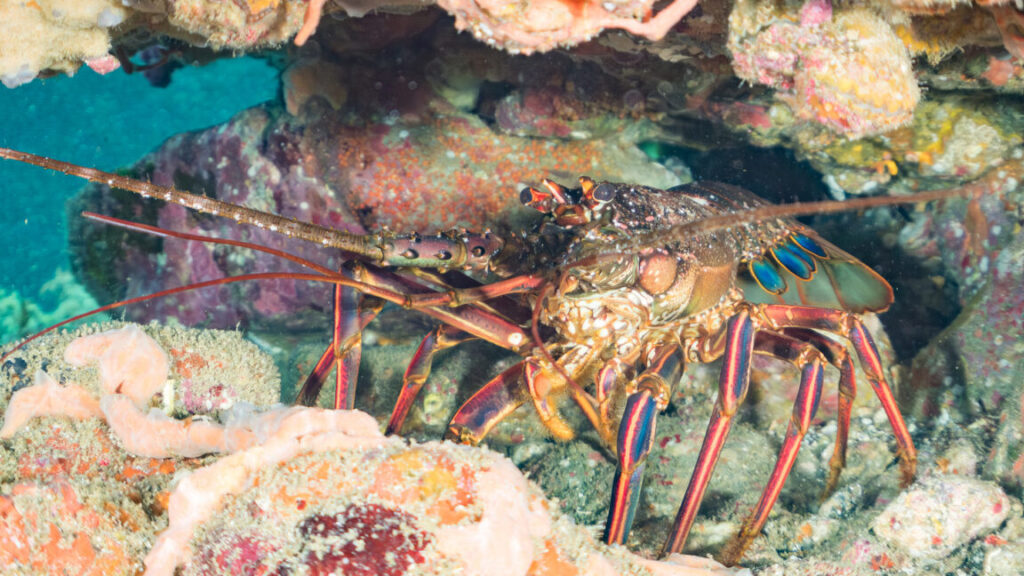
Lobsters, often seen as solitary creatures, may be more socially complex than previously thought. Recent studies suggest that these crustaceans display behaviors indicative of social interaction. While this new understanding enriches our perception of lobsters, it also raises concerns about potential ecological impacts. As they form social groups, lobsters may inadvertently fall into ecological traps, further endangering their populations.
Unveiling Lobsters’ Social Dynamics
Traditionally, lobsters have been characterized as reclusive bottom dwellers with little to no social interaction. However, research is proving otherwise. Scientists have observed lobsters engaging in behavior reminiscent of social networking. This behavior includes sharing dens and engaging in coordinated movements, suggesting they possess a rudimentary form of social structure.
The motivation behind these social interactions appears to be twofold. Lobsters may gain better protection against predators and increase their chances of finding food. Shared living spaces can provide communal defense mechanisms and more effective resource acquisition, which both contribute to lobster survival. The community’s social structure benefits individuals, reflecting a cooperative dynamic not previously associated with these creatures.
Ecological Traps: A Surprising Downside
While lobsters’ social tendencies might have immediate benefits, they could also lead to ecological pitfalls. When lobsters aggregate, they may inadvertently make themselves more vulnerable to threats, particularly from humans. Fishing practices, often targeting areas with high lobster densities, might exploit this social behavior, leading to overfishing and depletion of local populations.
These densely populated areas serve as “ecological traps.” In ecology, such traps occur when animals mistakenly settle in areas that appear beneficial but ultimately lead to increased mortality risks. For lobsters, the tendency to congregate could lead to higher catch rates and potential declines in population numbers if not managed sustainably.
Implications for Conservation and Fisheries Management
This new insight into lobster behavior presents both challenges and opportunities for marine conservationists and fisheries managers. Understanding lobster social structures and their impacts on behaviors can aid in developing more sustainable fishing practices. For instance, regulating fishing in high-density areas could mitigate the risk of overharvesting.
Moreover, recognizing the ecological traps that lobsters might fall into informs better management strategies that balance ecological concerns with economic interests. It highlights the need for adaptive approaches that incorporate current scientific findings into policy and practice, ensuring that lobster populations remain healthy and sustainable.
Additionally, this understanding offers broader ecological insights. It underscores the importance of studying social behavior in non-mammalian species and its potential effects on ecosystems. By considering such behaviors, we can improve ecosystem management and maintain biodiversity.
A Call for Further Research
While the newfound social tendencies of lobsters offer insights, they also open up many questions. Further research is needed to understand the nuances of these interactions. Key areas for future study include the impact of environmental changes on lobster social structures and the long-term effects of these behaviors on population dynamics.
- How do changing ocean temperatures influence lobster social behavior?
- What role does prey availability play in forming and maintaining lobster groups?
- How do these social dynamics affect genetic diversity within populations?
Answering these questions will deepen our understanding of lobsters and their ecosystem role. This knowledge could lead to more effective conservation strategies, ensuring the sustainability of lobster populations and the marine environments they inhabit.
The discovery of lobsters’ social behavior is a reminder of the complexity of marine life and the intricate relationships that exist within ocean ecosystems. As research continues, it reinforces the need for thoughtful consideration of ecological interactions and their implications for wildlife management and conservation efforts. In a rapidly changing world, understanding these dynamics is crucial not just for lobsters, but for the health of our oceans as a whole.
, image: https://arstechnica.com/science/2025/12/looking-for-friends-lobsters-may-stumble-into-an-ecological-trap/