


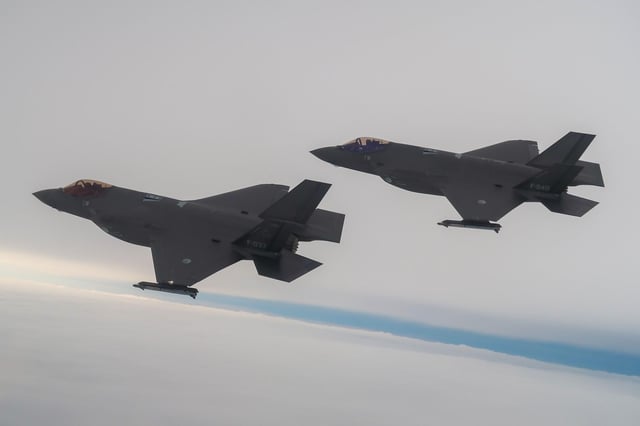
The Netherlands has announced the deployment of F-35 fighter jets to Poland, a strategic move aimed at enhancing the security of aid deliveries to Ukraine. This decision underscores the growing concern over regional security amidst ongoing tensions in Eastern Europe.
Strategic Military Move
The F-35s, renowned for their advanced stealth technology and exceptional combat capabilities, will be stationed in Poland to provide air support and ensure the safe transit of humanitarian and military aid supplies intended for Ukraine. This deployment reflects the Netherlands’ commitment to supporting its NATO allies and ensuring stability within the region.
The strategic positioning of these advanced jets serves as a deterrent to any potential threats that may disrupt the aid routes. The move also aligns with NATO’s broader strategy to enhance its eastern flank, particularly in light of escalating tensions between Russia and Ukraine.
Background of the Deployment
The decision to deploy the F-35s comes against a backdrop of increasing instability in Eastern Europe. With Russia’s continued military presence near Ukraine’s borders, NATO allies have been keen to bolster their defensive postures. This deployment is part of a coordinated effort by the alliance to reassure its members and deter any aggressive actions.
By stationing the F-35s in Poland, the Netherlands not only contributes to the defensive framework of the region but also strengthens bilateral ties with Poland. The two nations have long cooperated within NATO’s framework, and this latest initiative further solidifies their alliance.
Operational Capabilities
The F-35 is a fifth-generation multirole fighter, capable of conducting air superiority and strike missions. Its advanced avionics, stealth capabilities, and integrated sensors make it an asset in both defensive and offensive operations. By deploying these aircraft, the Netherlands enhances the operational readiness of NATO forces in the vicinity, offering a flexible and powerful response to any developments in the region.
International Implications
The deployment of these fighter jets is also set to have significant geopolitical implications. It sends a clear signal of NATO’s commitment to Eastern European security, countering any perceptions of vulnerability along the alliance’s eastern borders. Moreover, it emphasizes the Netherlands’ role as a proactive member committed to collective defense.
This decision is expected to reassure Eastern European nations that feel threatened by regional instability. It highlights the unity and resolve of NATO allies to support each member and defend democratic values against external threats.
While the deployment enhances security, it also underscores the persistent tensions in the region. Diplomatic dialogues continue, but military preparedness remains a crucial component of the security strategy pursued by NATO allies in response to Russian activities.
The Netherlands’ commitment to deploying F-35s in Poland marks a decisive step in the broader strategy to maintain stability and peace within Europe. It highlights the importance of solidarity and preparedness in the face of evolving geopolitical landscapes, serving as a testament to the enduring values and commitments of NATO members.