


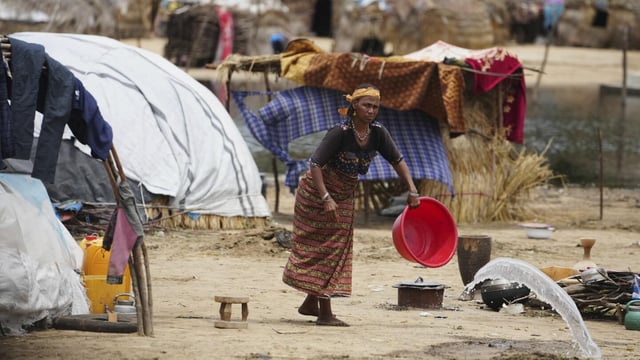
In recent months, Nigeria has been grappling with a severe food shortage crisis that has intensified concerns across West Africa. As an increasing number of citizens face food insecurity, the situation has shed light on larger economic and environmental challenges within the region. This crisis is part of a broader food emergency that threatens to destabilize not only Nigeria but neighboring countries as well.
Rising Food Needs in West Africa
The food shortage crisis in Nigeria coincides with an escalating need for sustenance across West Africa. With a booming population, the demand for food has increased significantly, outstripping the available supply. This shortage is exacerbated by various factors including climatic changes, economic hardships, and ongoing conflicts that disrupt agricultural production and distribution networks.
In many parts of Nigeria, farmers are facing unpredictable weather patterns due to climate change, which result in poor harvests. Regions that once produced ample food are now struggling with droughts, floods, and reduced yields. Such adverse conditions have particularly affected staple crops like maize, rice, and millet, which form the backbone of the local diet.
Economic and Social Impacts
The economic repercussions of this food shortage are profound. Inflation rates have soared as food prices skyrocket, placing basic necessities out of reach for many families. In urban areas, middle and low-income households are the hardest hit, spending significantly higher portions of their income on food items. This scenario is worsened by Nigeria’s ongoing battles with poverty and unemployment, compounding the challenge of meeting daily food needs.
Socially, the crisis has led to heightened tensions and unrest in various communities. Food scarcity often results in competition for limited resources, which can spiral into violence and conflict. Governments and NGOs are racing against time to mitigate these effects, distributing food aid and implementing policies to bolster food security. However, logistical challenges and funding limitations hinder these efforts.
Factors Driving the Crisis
- Climatic Disruptions: Unpredictable and extreme weather conditions have devastated farming activities.
- Economic Constraints: High inflation and low economic growth restrict the purchasing power of citizens.
- Security Challenges: Ongoing conflicts in key agricultural zones disrupt farming and food transport.
Efforts to Alleviate the Crisis
In response to the grave food insecurity, both local and international actors have stepped up efforts to address the situation. The Nigerian government has launched several agricultural initiatives aimed at boosting local food production and reducing dependency on imports. There are also calls for better investment in agricultural technology and infrastructure to increase productivity.
Moreover, international organizations such as the United Nations are actively involved in providing emergency food assistance and nutritional support to the most affected regions. Partnerships between governments, NGOs, and the private sector are being strengthened to create sustainable solutions to food scarcity.
However, the journey to resolve the crisis is fraught with challenges. Financial limitations, inefficient supply chains, and governance issues impede rapid improvements. Long-term strategies including climate adaptation plans, educational campaigns, and economic diversification are critical in building resilience and ensuring food security for future generations.
The food crisis in Nigeria and West Africa underscores the urgent need for comprehensive strategies that tackle both immediate and root causes of food insecurity. By addressing environmental, economic, and social dimensions collectively, there is hope for sustainable solutions that will support the region’s food needs and foster stability.