


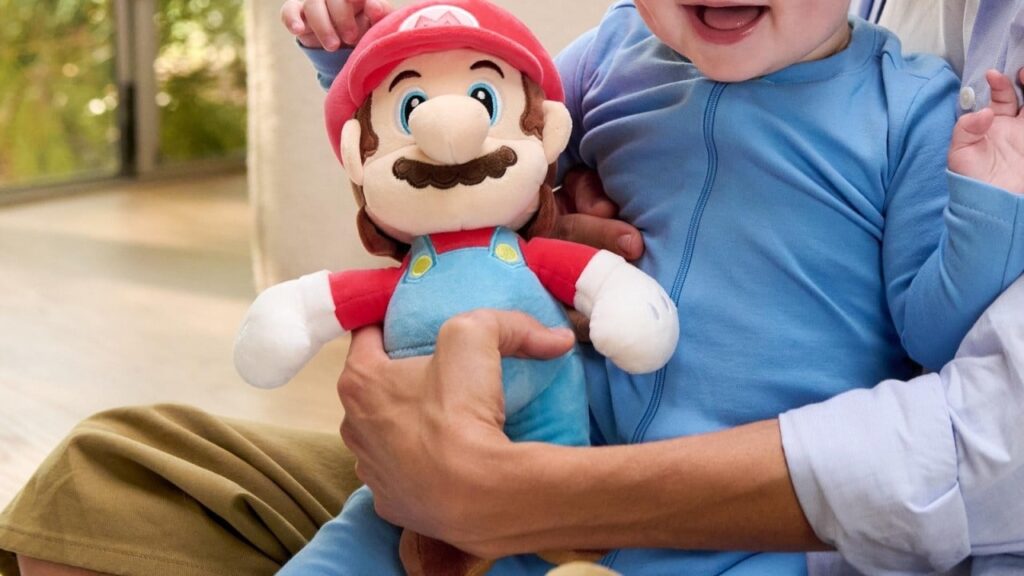
The iconic gaming company Nintendo, known for its beloved Super Mario franchise, is currently navigating contentious waters as it faces criticism for allegedly employing AI-generated images in its latest marketing efforts. The recent “My Mario” campaign sparked a wave of controversy when keen-eyed fans and industry experts identified certain promotional images as potentially generated by artificial intelligence, bringing up pressing questions about authenticity and originality in modern marketing strategies.
Unveiling AI in Marketing
The advertising industry has seen a rapid increase in the use of AI technology, offering companies innovative ways to create content. However, it seems Nintendo’s attempt to harness this technology has not been met with universal approval. The “My Mario” campaign, which aims to celebrate the diverse creativity of Mario fans globally, became the center of a debate shortly after the release of several images depicting Mario in various fantastical settings that struck many as artificial.
Several fan forums and social media platforms were quick to dissect these images, noting inconsistencies and attributes often associated with AI-generated content. Details such as unusual textures, awkward positioning, and peculiarities in background elements fueled speculation and eventually led to a larger public discussion about the ethics and implications of using AI in creative fields, particularly in beloved franchises like Mario.
Nintendo’s Response to Accusations
Nintendo, a company known for its commitment to quality and integrity, issued a statement shortly after the controversy began gaining traction. The company acknowledged the use of AI technologies as an exploratory tool in the campaign but emphasized that this was part of an effort to expand creative boundaries. “We are always exploring new and exciting ways to engage with our fans,” said a company spokesperson, addressing concerns about transgressing traditional artistic methods.
Despite these assurances, the reaction from the fanbase has been mixed. Many dedicated gamers feel that relying on AI detracts from the genuine handcrafted artistry that has defined Nintendo’s aesthetic for decades. One ardent fan stated, “Mario deserves art with a human touch, not something that feels synthetic and calculated.”
Trust and Authenticity in the AI Era
This incident raises broader questions about the role of AI in creative industries and how companies balance innovation with authenticity. While AI can undoubtedly enhance productivity and open new avenues for creativity, there remains a delicate line between innovation and maintaining the personal touch that fans have come to cherish.
For Nintendo, this predicament is not just about managing current backlash but also about defining how they intend to integrate AI into future projects without compromising the values that have made them a household name in the gaming industry.
The Future of AI in Gaming
As technology continues to evolve, the use of AI in gaming and marketing is likely to expand. Companies worldwide face the challenge of integrating these advanced tools while maintaining consumer trust and preserving the essence of what makes their brands unique.
For Nintendo, a pioneer in gaming and storytelling, this controversy serves as a crucial learning point. The company is under pressure to navigate the delicate balance between utilizing new technologies and maintaining the authenticity of its creative output. This juncture may prompt further introspection and innovation, influencing how the gaming industry as a whole approaches the marriage of technology and art.
The debate over AI-generated content is far from over. As Nintendo continues to address its fanbase’s concerns, the industry at large is watching closely, looking for cues on how to tackle similar situations as AI technology becomes more prevalent in content creation.
While the “My Mario” campaign has not unfolded as smoothly as planned, it underscores a period of transformation not just for Nintendo but for creative industries as a whole. As fans continue to voice their opinions, Nintendo’s response and future strategies will likely shape its path forward in a world where AI and traditional craftsmanship must coexist.
Ultimately, the journey for Nintendo will involve finding a harmonious relationship between innovation and tradition, ensuring that the essence of their beloved characters remains authentic, regardless of the tools used to bring them to life.
, image: https://www.nintendolife.com/news/2026/01/nintendo-accused-of-using-ai-images-in-new-my-mario-marketing