


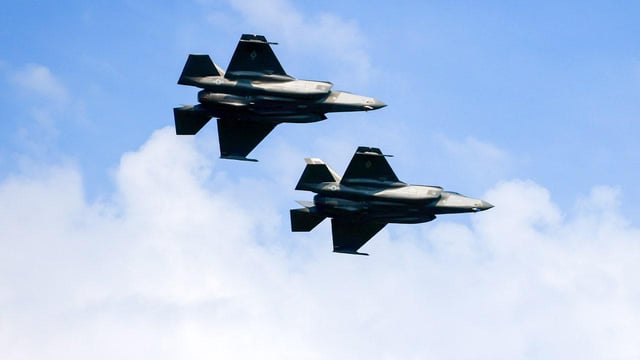
In a swift response to growing regional tensions, Poland dispatched fighter jets on Christmas Day after detecting Russian aircraft flying near its airspace. This incident underscores the heightened vigilance and security measures central and Eastern European countries have adopted amid escalating concerns over Russia’s military activities.
Heightened Tensions Over Eastern Europe
As geopolitical strains continue to simmer, the presence of Russian aircraft in proximity to Polish borders has caused alarm among NATO members. The Christmas Day incident was no exception as Polish forces responded decisively to protect their territorial integrity. This action reiterates Poland’s commitment to safeguarding its airspace against potential threats and reaffirms its alignment with NATO’s broader security framework.
The interception of these Russian aircraft is part of a broader pattern of increased military activity in Eastern Europe, where Russian maneuvers are closely monitored by NATO members. According to defense experts, such incidents are an indication of a strategic posturing by Russia, which has heightened since the annexation of Crimea in 2014.
NATO’s Strategic Readiness
NATO’s air policing missions have become a critical component of regional security, particularly in countries sharing borders with the Russian Federation. Poland, along with the Baltic states of Estonia, Latvia, and Lithuania, has been on high alert, given their strategic positioning within the European continent. The alliance’s presence ensures a swift collective response, aiming to deter aggression and maintain stability in the region.
Poland’s response on Christmas Day showcases its commitment as a key NATO ally. By maintaining rigorous air defense protocols, Poland contributes significantly to the alliance’s overall strategic readiness. This robust stance is vital not only for Poland but also for neighboring countries that rely on NATO for regional security equilibrium.
Implications for Regional Stability
The constant surveillance and rapid responses to airspace violations underscore the fragile nature of security in Eastern Europe. With the ongoing tensions between NATO and Russia, any miscalculation or escalation could have profound implications for regional stability. Incidents such as these highlight the potential for misunderstanding and the critical need for communication channels to alleviate any inadvertent escalation.
While Poland and its NATO partners continue to monitor this evolving situation, the regional commitment to defense cooperation remains steadfast. Maintaining an elevated state of readiness is crucial, especially during periods where geopolitical uncertainties can translate into real-time security challenges.
The complexities of Eastern European security dynamics require continued vigilance and proactive diplomacy. As the global community watches these developments closely, the importance of dialogue and adherence to international agreements remains paramount. In this environment, Poland’s rapid response to incursions serves as a stern reminder of the precarious balance unfolding along Europe’s eastern flanks.
With global attention focused on the region, any further military provocations could potentially destabilize already tense relations. Ensuring that diplomatic efforts are prioritized alongside military readiness is vital to countering Russian advances while fostering peace and stability in the region.
The response to such provocations will likely remain a subject of considerable interest, particularly considering the intricate geopolitical landscape. As Poland and the world navigate these challenges, the emphasis will inevitably remain on maintaining a vigilant and strategic approach to regional security.