


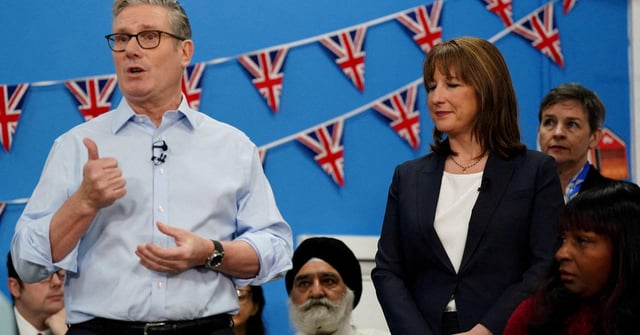
With the UK economy facing numerous challenges, the Labour Party is keen to strengthen international ties to bolster economic growth. In a significant move, Rachel Reeves, the UK’s Shadow Chancellor, accompanied by Labour leader Keir Starmer, has embarked on a visit to China. This diplomatic and economic mission is designed to forge deeper economic ties and leverage the significant trade opportunities between the two nations.
Forging Economic Partnerships in Asia
The trip to China comes at a crucial time for the UK economy, which is struggling with post-Brexit adjustments and the lingering effects of the COVID-19 pandemic. Reeves and Starmer aim to create a foundation for increasing investments and trade collaborations, acting as a conduit for fostering business relationships that could drive economic growth back home.
China, as the world’s second-largest economy, presents a lucrative opportunity for the UK. Strengthening trade ties with such a powerful economic force can offer UK businesses new markets and partnerships, crucial for an economy striving to regain its momentum. Reeves emphasized the importance of tapping into China’s vast market potential, which could provide significant benefits in terms of job creation and increased national revenue.
Labour’s Vision for the UK Economy
Reeves and Starmer’s approach centers on long-term economic resilience and sustainable growth. By engaging directly with Chinese business leaders and government officials, they aim to present the UK as an attractive destination for investment. Their strategy is not only about increasing exports but also involves encouraging Chinese firms to invest in the UK sectors, such as technology and infrastructure.
The visit is also an opportunity for the Labour Party to showcase its vision of a globally connected Britain. Reeves highlighted the importance of environmental sustainability and technological innovation as key components of this vision, aligning them with China’s own economic agendas. By doing so, the Labour Party seeks to capitalize on mutual interests that could yield long-term collaboration and growth.
Challenges and Opportunities
While the visit to China marks a positive step toward economic collaboration, several challenges remain. Navigating the complex political and regulatory environment in China will require tact and understanding. Trade relationships are often influenced by geopolitical tensions, and maintaining a balance between economic interests and political values is crucial.
Nevertheless, the potential benefits of this mission cannot be overlooked. Tapping into China’s burgeoning tech industry could bring innovation and fresh investment to the UK, crucial for sectors still recovering from the pandemic’s impact. Moreover, enhancing cultural and educational exchanges between the two nations is expected to contribute to a stronger bilateral relationship.
This strategic move by the Labour Party to engage with China reinforces a commitment to rebuilding the UK’s economic stature on the global stage. As Reeves and Starmer navigate these intricate economic and diplomatic waters, their efforts underscore the necessity of international collaboration to spur economic recovery and progress.