


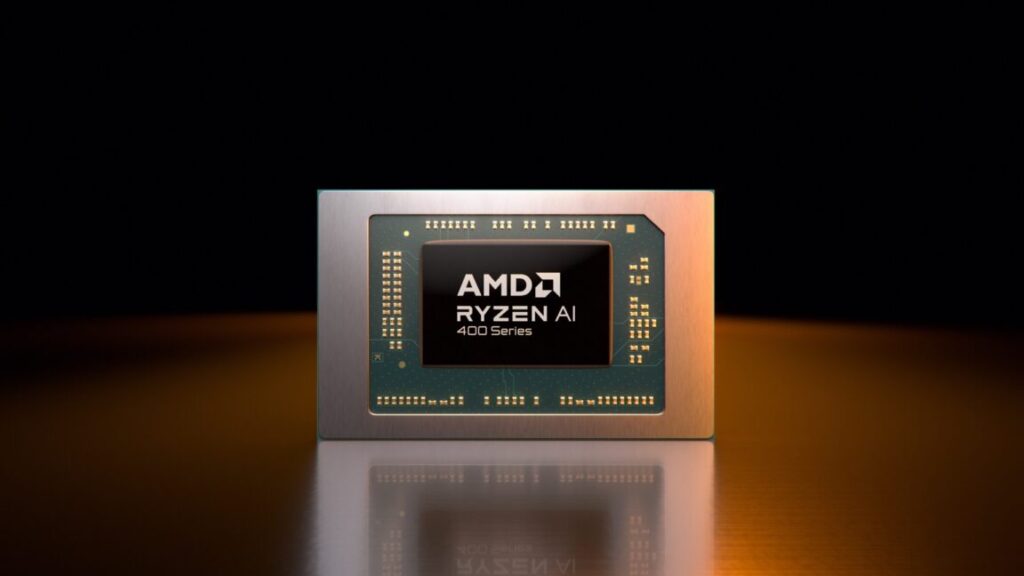
In a move that underscores its strategy of refining existing technology to meet current market demands, AMD has unveiled its 2026 lineup of Ryzen processors, a series rooted in enhancements rather than groundbreaking innovation. This year’s offerings pivot significantly on the AI and X3D variants, leveraging improvements in energy efficiency and AI performance, although they remain largely iterative of last year’s models.
AI Integration and Efficiency Gains
AMD’s latest Ryzen CPUs prominently feature the enhanced integration of AI capabilities, an upgrade that follows the tech industry’s broader trend towards incorporating artificial intelligence to boost computing power and efficiency. These improvements are particularly focused on enhancing real-time AI applications across laptops and desktops.
The 2026 lineup, while echoing the 2025 templates, boasts an improved efficiency matrix. By optimizing power usage, AMD aims to entice users seeking machines that offer superior performance without draining battery life. The push towards AI-enhanced efficiency is evident in the CPU architecture, which now supports a broader array of AI workloads without compromising on speed or power.
Continued Focus on x86 Hybrid Architecture
Continuing with the x86 hybrid architecture, the new Ryzen chips focus on maximizing performance densities across varied computing tasks. The architecture combined with the 3D V-Cache technology allows AMD to maintain a competitive edge, especially in gaming and creative workloads that demand quick access to large datasets.
Retaining much of the technology from its predecessor, the new CPU lineup integrates 3D stacking techniques to enhance cache capacities, which improves both latency and throughput. This focus on boosting specific performance metrics while moderating power usage is a testament to AMD’s strategic adjustments in response to rising consumer expectations for both performance and eco-friendliness.
Market Impact and Consumer Expectations
With these revamped Ryzen CPUs, AMD looks to strengthen its position in the highly competitive landscape of PC hardware. While the improvements are not groundbreaking, they represent a calculated approach to maintaining competitiveness by refining existing technologies to better align with the latest user needs.
For end consumers, this means a series of Ryzen processors that balance between cost and performance more effectively. The integration of AI and improved 3D V-Cache signals AMD’s commitment to addressing the demands of both heavy-duty professionals and everyday users who require reliable performance enhancements.
As AMD continues to iterate on its technology, the emphasis remains on sustaining balance within the ecosystem of performance, power, and affordability. This measured approach ensures that, even with modest updates, the Ryzen range remains a competitive choice for diverse computing demands in 2026.
By focusing on incremental advancements rather than radical shifts, AMD positions itself for sustained relevance in a rapidly evolving tech landscape, showcasing resilience through enhancement rather than reinvention.
, image: https://arstechnica.com/gadgets/2026/01/amd-reheats-last-years-ryzen-ai-and-x3d-cpus-for-2026s-laptops-and-desktops/