


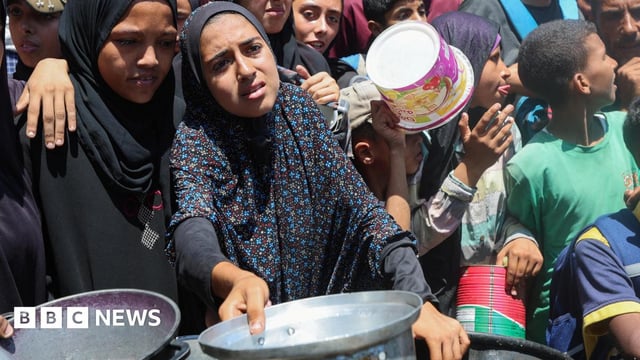
The humanitarian situation in the Gaza Strip is reaching critical levels as one-third of its population grapples with severe food insecurity. The United Nations has issued an urgent call for international support to address the escalating hunger crisis impacting one of the world’s most densely populated areas.
Escalating Food Insecurity
According to recent reports from United Nations agencies, nearly 30% of households in Gaza are unable to meet their basic dietary needs, a stark indicator of deepening poverty and distress. The ongoing Israeli blockade, political instability, and periodic conflicts have severely disrupted economic activities, leaving many families without means to secure food.
The World Food Programme (WFP) has highlighted that the precarious economic situation is exacerbated by high unemployment rates, which now stand at over 45%. These harsh conditions have forced many families to resort to extreme measures, such as skipping meals for entire days, as they struggle to cope with the scarcity of available resources.
Impact on Vulnerable Populations
Children and women are among the most affected by the food crisis in Gaza. Malnutrition is alarmingly prevalent among children, with many showing signs of stunted growth and developmental challenges due to inadequate nutrition during critical growth phases. Moreover, pregnant and breastfeeding women face heightened risks, which could have long-lasting implications for both maternal and infant health.
The disruption of vital services further compounds these challenges. Healthcare facilities are overwhelmed, struggling to provide basic nutritional support and care for the population’s growing needs. Additionally, schools, which often serve as distribution points for meals, are unable to fulfill this role adequately amidst ongoing infrastructure challenges and resource constraints.
International Aid and Relief Efforts
The international community’s response is critical in alleviating the burgeoning crisis in Gaza. Humanitarian organizations are scaling up their efforts to provide immediate relief, focusing on improving food supply chains and increasing access to essential services. However, aid agencies warn that without sustained international support, these interventions can only provide short-term relief.
The United Nations Relief and Works Agency (UNRWA) and other local and international NGOs are appealing for urgent financial assistance to expand their operations. The objective is to not only address immediate needs but also lay the foundation for more sustainable solutions that can empower Gazans and reduce dependency on external aid.
Furthermore, calls for lifting or easing the blockade emphasize the need for policy changes that would enable freer movement of goods and people, stimulating economic recovery and reducing humanitarian dependency. Such measures are viewed as crucial steps towards a more stable and self-reliant future for Gaza’s inhabitants.
As the global community contemplates its response, the situation in Gaza serves as a stark reminder of the profound impact of prolonged geopolitical crises on human lives. The pressing need for collaborative efforts to support not only relief but resilience-building initiatives has never been more apparent, as Gazans continue to face uncertainty on an everyday scale.