


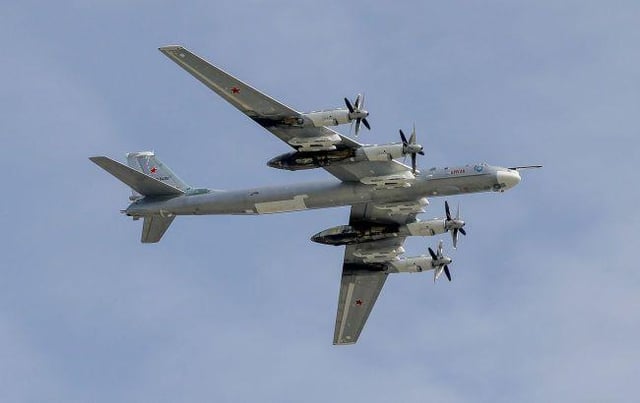
In a significant display of military maneuvering, Russian long-range bombers recently approached the airspace surrounding the United Kingdom, triggering a swift and strategic response from NATO forces. The confrontation underscored the increasingly tense dynamics between Russia and Western nations, as NATO deployed its jet fighters to safeguard the region and send a clear message of deterrence.
Details of the Incident
On the day of the incident, radar systems detected the presence of Russian aircraft flying in proximity to British airspace. According to official sources, two Russian Tu-160 Blackjack bombers were tracked over the North Sea, a routine provocational move often employed by Russia to assert its military presence. The aircraft were monitored by the UK’s Royal Air Force (RAF) and other NATO members stationed in Europe.
In response, several Typhoon fighter jets were scrambled from bases in the UK. These jets, known for their agility and speed, intercepted the Russian aircraft, ensuring they maintained a safe distance from sensitive airspace. The engagement demonstrated NATO’s readiness to protect its member states against any potential threat or violation of territorial sovereignty.
NATO’s Vigilant Response
NATO’s response was prompt and coordinated, reflecting the alliance’s heightened vigilance amid escalating geopolitical tensions. Throughout Europe, member countries remain on high alert, routinely conducting surveillance and readiness exercises to fortify their defenses. This incident serves as a reminder of the strategic posturing in the region, emphasizing the importance of defense preparedness.
Experts suggest that such encounters, although not uncommon, are meticulously analyzed for intelligence purposes. They offer insight into Russian military tactics and intentions, informing NATO’s strategic planning and response protocols. The deployment also underscores the importance of maintaining advanced air defense capabilities to counter any potential threat from Russia.
- British Defense Reaction: UK Defense officials confirmed the incident, releasing statements that highlighted the professionalism and efficiency of the RAF in handling the situation. They reiterated Britain’s commitment to safeguarding its airspace and supporting Europe’s collective security framework.
- International Implications: Analysts are closely monitoring these developments, acknowledging the broader implications for international diplomacy. The interactions signify an underlying strain in Russia’s relations with the West, prompting diplomatic efforts to de-escalate potential conflicts.
Geopolitical Context and Future Outlook
The recent encounter between Russian aircraft and NATO forces is emblematic of the broader geopolitical tensions proliferating across Europe. As Russia continues to assert its influence regionally, Western nations find themselves bolstering their defenses in response. These maneuvers are part of a broader strategy by Russia to project power and test the resolve of NATO alliances.
Though the current exchange concluded without incident, the event underscores a critical element of modern international relations: the thin line between routine military exercises and potential confrontations. As military forces on both sides remain on alert, diplomacy plays a crucial role in managing these high-stakes encounters.
Looking ahead, NATO’s consistent vigilance along its borders will likely continue, ensuring rapid deployment capabilities. This readiness not only demonstrates the alliance’s collective security commitments but also serves as a deterrent to further Russian provocations. As global powers navigate the complexities of a multipolar world, such encounters will remain pivotal in shaping the geopolitical landscape.
In summary, the recent deployment of NATO jets in response to Russian bombers encroaching on British airspace is a stark reminder of ongoing tensions in a volatile region. As diplomatic dialogues strive to ease these tensions, the international community remains watchful, recognizing the importance of preparedness and collaboration in safeguarding peace and stability.