


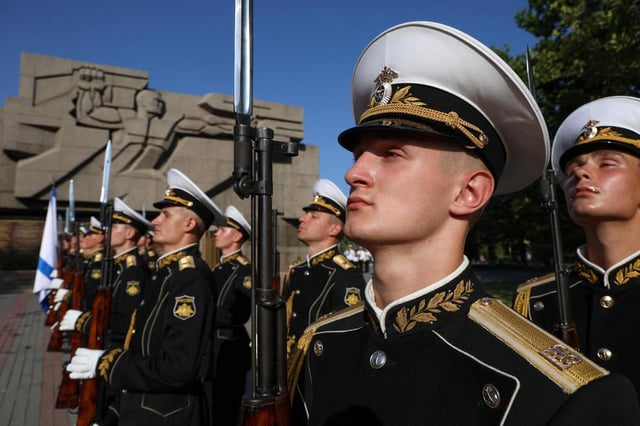
In an unexpected turn, Russian authorities have announced the cancellation of the Navy Day parade, traditionally a prominent annual celebration. This decision was made citing safety concerns as the primary reason, reflecting heightened vigilance amid mounting regional tensions. The planned spectacle was initially set to showcase the might and precision of Russia’s naval forces, bringing together sailors, ships, and submarines in a grand display of military prowess.
Background of Navy Day
Navy Day in Russia has long been a symbol of national pride, honoring those who serve in the Russian Navy. This event typically features impressive parades, with naval personnel, warships, and cutting-edge maritime technology on display for the public. Historically, the celebration serves not only as a patriotic event but also as a demonstration of Russia’s naval capabilities to the world.
The cancellation marks a significant deviation from tradition, raising questions about the underlying threats that prompted such a protective measure. Officials have refrained from providing detailed information about the specific security concerns. However, the decision comes at a time when international tensions are heightened, particularly regarding maritime security in strategically important waters.
Security Concerns and Regional Tensions
The global geopolitical landscape has witnessed increased friction, especially in regions where national interests of powerful nations collide. The security concerns leading to the parade’s cancellation are widely believed to be influenced by ongoing conflicts and diplomatic standoffs in proximity to Russian naval operations.
Russia’s strategic positioning and recent military activities have been under scrutiny from both domestic and international observers. The cancellation of the Navy Day parade underscores the potential threats perceived by Russian authorities, possibly including espionage, threats from terrorist groups, or geopolitical maneuvers by other states.
The Impact of Military Displays
Military parades serve as both a morale booster for the forces and a nationalistic symbol for the country. Traditionally, such events have been utilized to send a powerful message of strength and unity to both allies and adversaries. For Russia, these showcases are an opportunity to affirm its military prowess and technological innovation on an international stage.
By canceling the event, the Russian government might also be suggesting a strategic shift, opting to prioritize security over spectacle amid precarious global relations. This move could reflect a broader strategy of caution, recognizing the complexity of current international dynamics.
Public and Political Reactions
The announcement has garnered mixed responses from the public and political figures alike. While some citizens have expressed disappointment over missing the traditional celebration, others understand the prioritization of safety. This decision highlights how government actions are often measured against public sentiment and national security imperatives.
Political analysts suggest that this maneuver could be interpreted as a signal to the international community about Russia’s approach toward current global security challenges. It demonstrates a willingness to forgo traditional displays in favor of maintaining strategic peace and preparedness.
The broader implications on Russian naval morale and public perception remain to be seen. The government’s choice reflects a complex balancing act, attempting to shield national interests while navigating a volatile international environment.
Overall, the cancellation of the Russian Navy Day parade illustrates the ongoing shift in global military practices, where safety and security increasingly take precedence over traditional military displays. This development highlights the evolving nature of national celebrations in response to modern geopolitical realities, signifying a period where discretion may be valued as highly as spectacle in the realm of international relations.