


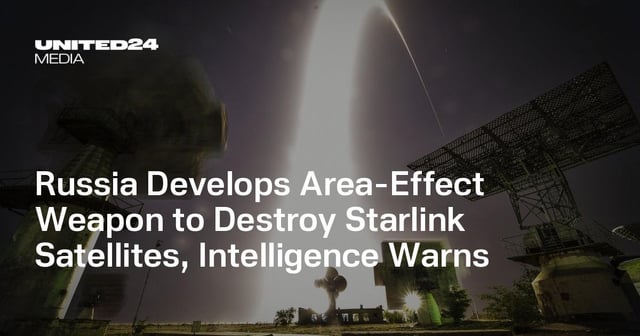
In a startling development, Russian intelligence agencies have reportedly revealed new technological capabilities that pose a significant threat to global space communication networks. These advancements constitute a formidable area-effect weapon designed to incapacitate satellite systems integral to worldwide communications and navigation.
The Implications of Russia’s Technological Advancements
With the increasing reliance on satellites for everything from GPS navigation to international banking transactions, the advent of weaponry capable of disrupting these systems could have profound global implications. Experts emphasize that the weapon’s potential to damage or destroy multiple satellites simultaneously could lead to widespread disruption of communications and navigation systems upon which militaries and civilian infrastructures heavily depend.
Such capabilities suggest a strategic shift in how nations might engage in future conflicts. By targeting space assets, an adversarial nation could theoretically disable a variety of critical functions, rendering ground-based technology vulnerable and, in some cases, ineffective. Intelligence reports suggest that these developments are a part of a broader strategy by Russia to enhance its position in the geopolitical landscape by leveraging new military technologies.
Understanding the Technical and Strategic Context
While details remain classified, it is believed that this area-effect weapon functions by employing a form of directed energy or kinetic impact to incapacitate high-value orbital assets over a wide radius. This capability could allow Russia to neutralize large clusters of satellites simultaneously, a capability far more destructive than previous single-target anti-satellite weapons.
This new technology highlights the increasing militarization of space, a domain traditionally reserved for peaceful exploration and communication. The potential for escalations in space-based conflicts compels the international community to seek negotiations on arms control in outer space. Yet, given the strategic advantages such capabilities afford, reaching a consensus on limitations and treaties may prove challenging.
The International Response
Global reactions to Russia’s advancements have been mixed, with some nations urging immediate dialogue to prevent an arms race in space. Others call for increased investment in satellite defense and deterrence systems. Countries like the United States and China, aware of the vulnerabilities in their own satellite networks, are likely weighing options to fortify their orbital infrastructures against potential threats.
In response to these developments, international space agencies and defense departments are expected to reassess their strategies, focusing on innovations to secure their satellites. Developing resilient technologies that can withstand or evade such area-effect weapons will likely become a priority.
Potential Paths Forward
The emergence of these weapons underscores the urgent need for a multi-faceted approach combining diplomacy, defense, and innovation. Experts advocate for new international treaties focusing on restricting the deployment of such technologies while promoting cooperative efforts to safeguard outer space as a sanctuary free from military conflict.
Additionally, advancements in satellite technology could mitigate the potential impacts of such weaponry, including enhanced shielding and more agile defensive systems. Collaborations between governments and private space enterprises may accelerate the development of these technologies, ensuring that global communication networks remain resilient in the face of emerging threats.
The uncertainties surrounding the full capabilities of Russia’s new technology continue to generate concern among global policy makers. However, momentum toward strengthening space governance frameworks appears to be gaining traction, driven by the shared interest in maintaining the stability and security of space-based infrastructures crucial to modern life.
As nations navigate the complexities of these new dynamics in space technology and its potential threats, the importance of dialogue, preparedness, and international cooperation could not be more paramount. The strategic landscape of absolute dominance in space remains uncertain, demanding the concerted efforts of the international community to ensure that outer space remains a realm for peaceful exploration and communication.