

Introduction
Austria finds itself at a crossroads as Karl Nehammer, the current Chancellor and leader of the Austrian People’s Party (ÖVP), strives to preserve the stability that has been a hallmark of the post-war era. This country’s electoral landscape is increasingly polarized, with the emergence of the right-wing Freedom Party (FPÖ) posing significant challenges to the established order. As the election approaches, the battle between the People’s Party and the Freedom Party could reshape Austria’s political fabric.

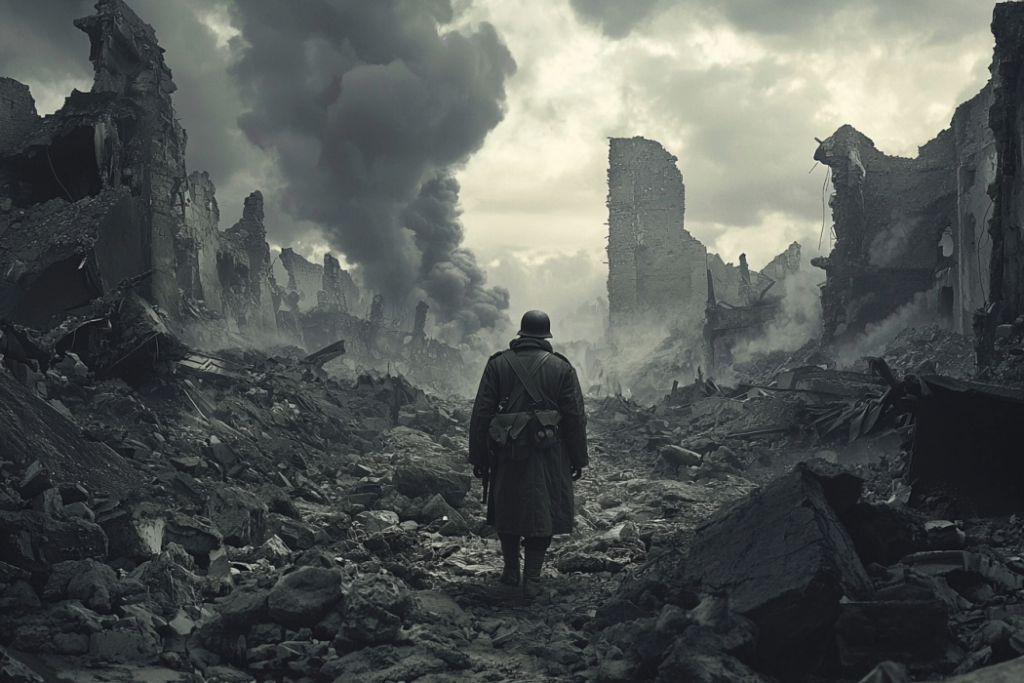
The Silent Soldier: Karl Nehammer
Karl Nehammer, often referred to as the “silent soldier” in Austrian politics, has been a steadfast figure amid the growing turbulence. His conservative policies and commitment to maintaining a centrist path have garnered both praise and criticism. In many ways, Nehammer’s leadership style is reminiscent of post-war statesmen who focused on restoration and stability.
His political approach is grounded in a mix of pragmatism and idealism, aiming to address contemporary challenges while preserving the core values that have guided Austria since the end of World War II.
The People’s Party and Its Legacy
Founded in 1945, the Austrian People’s Party has played a crucial role in shaping the nation’s post-war identity. The party’s focus on economic stability, social welfare, and European integration has entrenched it as a central player in Austrian politics. Under Nehammer’s leadership, the ÖVP seeks to continue this legacy, balancing modernization with traditional values.
However, the Freedom Party’s ascent has threatened to disrupt this equilibrium.
The Rising Tide: Freedom Party’s Surge
The Freedom Party, led by Herbert Kickl, is rallying significant support on a platform of nationalistic policies and anti-immigration rhetoric. The FPÖ’s rise is attributed to growing discontent among Austrians who feel left behind by globalization and recent economic shifts. The party’s stance on EU relations and immigration has struck a chord with a segment of the population yearning for a return to perceived national sovereignty and cultural identity.
Critics argue that the FPÖ’s approach risks undermining Austria’s post-war achievements and may stoke societal divisions at a time when unity is paramount.
Comparative Strategies: Centrist Stability vs. Populist Promises
Karl Nehammer’s strategy revolves around reinforcing the foundational aspects of Austrian governance. His policies focus on sustainable economic growth, social harmony, and active participation in the European Union. Nehammer emphasizes pragmatic solutions and continuity, promoting a sense of certainty in uncertain times.
Conversely, the Freedom Party capitalizes on populist promises that resonate with voters who are disillusioned with the status quo.
The FPÖ’s proposals include tighter immigration controls, reduced EU influence, and stronger national identity measures. While these ideas are appealing to some, they also carry risks that could destabilize Austria’s current socio-economic balance.
Key Issues at Stake
The election is turning into a referendum on key issues that will shape Austria’s future:
- Economic Policy: Nehammer’s ÖVP promotes steady economic policies, investment in technology, and vocational training. The FPÖ, however, proposes tax cuts and regulatory rollbacks to boost short-term economic gains.
- Immigration and Integration: A central theme in the electoral debate, with the ÖVP advocating for controlled and managed immigration policies, while the FPÖ pushes for stringent immigration restrictions and prioritization of Austrian nationals.
- European Union Membership: The ÖVP remains firmly pro-European, emphasizing Austria’s role in the EU. In contrast, the FPÖ questions the benefits of EU membership and suggests renegotiating Austria’s relationship with the union.
The Role of Media and Public Sentiment
The Austrian media plays a pivotal role in shaping public opinion during this high-stakes election period. Both parties utilize media platforms to disseminate their messages, rally supporters, and sway undecided voters. Social media, in particular, has become a battleground for influence, with viral campaigns and targeted ads being critical tools for both the ÖVP and the FPÖ.
Public sentiment is increasingly polarized, with significant portions of the electorate aligning firmly with one party or the other. This polarization may lead to a highly contentious election, underscoring the crucial need for peaceful and democratic processes.
Conclusion: A Defining Moment for Austria
As Austria heads to the polls, the outcome of this election will determine not just the immediate political leadership, but the long-term direction of the nation. Karl Nehammer’s role as the silent soldier defending post-war stability will be tested against the rising tide of populism championed by the Freedom Party. This electoral clash represents a defining moment for Austria, one that will influence its political, economic, and social landscape for years to come.
While the challenges are significant, they are not insurmountable. The resilience of Austrian democracy, its institutions, and the collective will of its people will ultimately shape the nation’s future. As history has shown, Austria has the capacity to navigate through turmoil and emerge stronger, united in its diversity and steadfast in its pursuit of stability and prosperity.