

Slovak and Hungarian Foreign Ministers Engage in High-Stakes Diplomacy with Lavrov
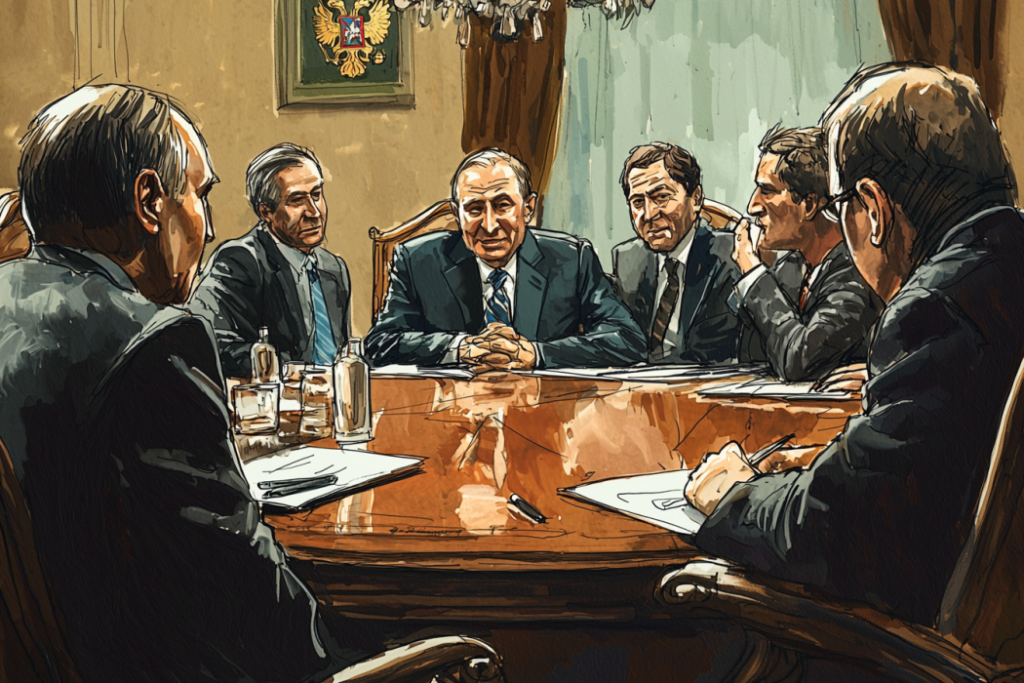
The world of diplomacy is constantly evolving, and recent events have placed Slovak and Hungarian foreign ministers in the international spotlight. On a brisk autumn day, Peter Szijjarto of Hungary and Rastislav Kacer of Slovakia once again held critical discussions with Russian Foreign Minister Sergey Lavrov. This marks another chapter in the ongoing dialogues between these nations amidst a complex geopolitical landscape.

A Historic Context for Modern Talks
The backdrop of these discussions takes us back to the intricate relationships that Slovakia and Hungary have historically maintained with Russia. Despite their membership in the European Union and NATO, both nations have navigated a delicate balance of fostering cooperative ties with Moscow. Recently, this balancing act has become even more precarious given the Russian-Ukrainian conflict and the subsequent sanctions imposed by Western nations.
Key Agendas and Unspoken Priorities
The agenda of the meeting covered various critical issues, reflecting the earnestly proactive stance both European ministers are adopting. **Security concerns**, **energy cooperation**, and **economic interactions** were at the forefront of their discussions.
Security Concerns
Security concerns were crucial for all parties involved. The stability of Eastern Europe has been a significant talking point, with the Slovak and Hungarian ministers keen on understanding Russia’s stance on the conflict and seeking ways to possibly mediate a regional stability framework. Lavrov, known for his staunch position, reiterated Russia’s security interests, highlighting a need for mutual respect and acknowledging sovereign policies.
Energy Cooperation
Another pivotal subject was energy cooperation. Central European countries like Slovakia and Hungary are heavily reliant on Russian gas, and this dependency has become a double-edged sword amidst growing tensions. Future energy supplies and potential deals were deliberated intensely. During the talks, both sides explored opportunities for securing future energy cooperation that could potentially buffer against the volatility of the current geopolitical environment.
Economic Interactions
Economic interactions also played a significant role in the discussions. As Russia faces increasing isolation and economic sanctions from other Western nations, the viability of maintaining and possibly bolstering economic partnerships with neighboring states like Hungary and Slovakia was closely examined. The ministers underscored the importance of bilateral trade, investment opportunities, and potential collaboration in various sectors to sustain and enhance economic growth and stability.
Statements and Reactions
The conversations were followed by a series of public statements from the involved parties. In a press release, Hungarian Foreign Minister Peter Szijjarto emphasized the importance of “keeping dialogues open even amidst arduous times.” He further added that the continued discussion with Lavrov represents Hungary’s commitment to pragmatic diplomacy.
Slovak Foreign Minister Rastislav Kacer also echoed similar sentiments, urging the need for “constructive engagements to navigate current global challenges.” He highlighted the significance of diplomacy in fostering peace and stability in the region.
Conversely, Sergey Lavrov maintained his firm stance, reiterating Russia’s position while also acknowledging the vital role of open communication channels with neighboring European nations. Lavrov emphasized that Russia remains open to dialogue that respects mutual interests and sovereign policies.
International Response and Implications
The international community closely monitored the discussions, with various analysts weighing in on the potential outcomes. The European Union, while acknowledging the diplomatic efforts of Slovakia and Hungary, remains wary of Russia’s intentions. The delicate balance these countries maintain with Russia is critical to their geopolitical strategy within the EU framework.
From a global perspective, this meeting underscores the complex interplay of regional and international dynamics. As the world grapples with a multipolar power structure, the role of mid-sized nations like Slovakia and Hungary in building bridges through diplomacy becomes ever more significant.
Future Prospects
As these nations continue to engage in diplomatic maneuvers, the broader implications for Eastern European security and stability remain paramount. The ongoing cooperation between Slovakia, Hungary, and Russia could potentially pave the way for new frameworks of regional collaboration, albeit within the bounds of their EU and NATO commitments.
The continued dialogue serves as a testament to the crucial role of diplomacy in contemporary international relations. As the world watches, the outcomes of such engagements will significantly shape the geopolitical landscape of Eastern Europe and beyond.
The recent meeting between the Slovak and Hungarian Foreign Ministers and Sergey Lavrov signifies a noteworthy moment in modern diplomacy. Despite the inherent challenges and complexities, the commitment to dialogue underscores an enduring belief in peace and cooperation. The subsequent developments and the international responses to these ongoing talks will undoubtedly be pivotal in shaping the future course of regional and global politics.