


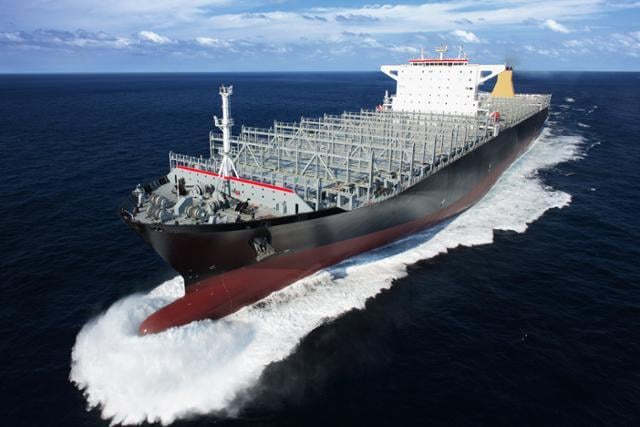
In an effort to fortify its economic resilience amidst shifting global trade dynamics, South Korea is preparing to reinvigorate its shipbuilding industry, a sector poised to play a pivotal role in upcoming tariff negotiations with the United States. As global trade tensions continue to simmer, South Korea is looking to leverage its robust shipbuilding capabilities as a bargaining chip in these critical negotiations.
The Strategic Importance of Shipbuilding
Shipbuilding has historically been a cornerstone of South Korea’s industrial sector, contributing significantly to its economic health and employment statistics. Currently, the shipbuilding industry is once again finding itself at the forefront of strategic economic planning as South Korea aims to negotiate better trade terms with the U.S.
The move to bolster shipbuilding efforts comes as South Korea faces the challenge of mitigating potential economic impacts from U.S.-imposed tariffs. By strengthening its shipbuilding exports, South Korea seeks to offer valuable concessions in negotiations, potentially balancing tariff-related setbacks in other sectors.
South Korea’s Shipbuilding Excellence
South Korea’s prowess in shipbuilding is well-documented, with the country housing some of the world’s largest and most advanced shipyards. Companies like Hyundai Heavy Industries, Samsung Heavy Industries, and Daewoo Shipbuilding & Marine Engineering have propelled South Korea to the forefront of the global market.
These giants are responsible for the production of a wide array of vessels, ranging from container ships and oil tankers to liquefied natural gas (LNG) carriers, making it a critical player in the maritime industry. South Korea’s ability to produce high-quality, technologically advanced ships has been a key factor in maintaining its competitive edge internationally.
Technological Advancements
Continuous innovation and technological advancements have been hallmarks of South Korean shipyards. By investing in automation and green technologies, South Korea has managed to stay ahead of global competitors, ensuring that its ships remain in high demand across international markets. This technological prowess is not only an asset within the industry but also positions the country favorably in trade negotiations.
Navigating Trade Challenges
The global trade landscape remains fraught with challenges, as countries worldwide grapple with the implications of tariffs and economic sanctions. For South Korea, the prospect of heightened tariffs from the U.S. necessitates a strategic response.
By capitalizing on its shipbuilding strengths, South Korea aims to create negotiating room. This plan involves ensuring that the U.S. recognizes the mutual benefits of continued collaboration in the maritime sector, which can potentially lead to more favorable tariff terms.
Future Prospects
While the shipbuilding strategy may serve as an immediate countermeasure to potential trade barriers, it also sets the stage for long-term benefits. By enhancing its capacities and technological advancements, South Korea is ensuring that its shipbuilding sector remains robust for future challenges, which may arise from changing trade policies or economic conditions.
South Korea’s decision to leverage its shipbuilding expertise in tariff negotiations underscores the industry’s enduring importance to the nation’s economy. As the global trade environment continues to evolve, strategically navigating these waters will be key to maintaining South Korea’s economic stability and growth.