


In a recent development that has sparked vigorous international debate, UK opposition leader Keir Starmer has openly criticized former US President Donald Trump regarding his comments on NATO’s involvement in Afghanistan. Starmer described Trump’s remarks as “frankly appalling,” a statement that echoes widespread disapproval from various international quarters.
Trump’s Controversial Comments
During a public appearance, Trump suggested that NATO’s role in Afghanistan was misguided, implying that member nations failed to contribute effectively to the mission. His comments have drawn ire from politicians and experts alike, who argue that Trump’s views misrepresent the alliance’s extensive efforts and sacrifices.
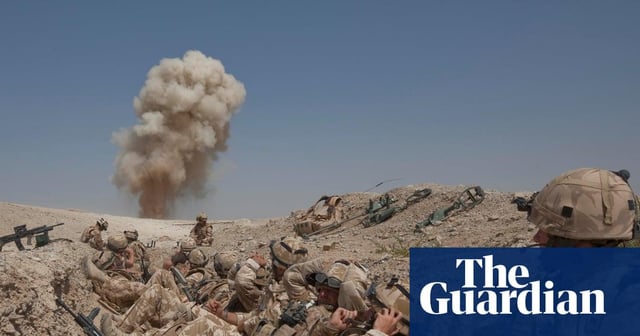
Starmer, leader of the UK’s Labour Party, expressed his disbelief at Trump’s statements. He emphasized the critical role NATO played in Afghanistan, notably highlighting the sacrifices made by allied forces, including British troops. According to Starmer, Trump’s remarks undermine the contributions and sacrifices of these nations.
International Reactions
Starmer’s rebuke of Trump is part of a broader international backlash. Leaders across the globe, particularly those from NATO member states, have voiced their discontent. Many argue that Trump’s portrayal of NATO’s involvement overlooks the organization’s decades of commitment to restoring peace and stability in Afghanistan.
Responses from NATO Member States
- France: French officials have reiterated their unwavering support for NATO and condemned any attempts to undermine its contributions to global security.
- Germany: German representatives have echoed similar sentiments, emphasizing the importance of unity within NATO and the need to recognize the alliance’s crucial work.
- Canada: Canadian leaders emphasized the substantial investments and commitments made by NATO countries, cautioning against diminishing these efforts with misleading rhetoric.
The Role of NATO in Afghanistan
NATO’s involvement in Afghanistan commenced in 2001 after the 9/11 attacks, aligning with US objectives to dismantle terrorist networks. Over the years, NATO’s presence transformed into a robust initiative aimed at stabilizing the region through military and humanitarian efforts. Member countries collectively contributed troops, resources, and strategic oversight to achieve a semblance of stability in Afghanistan.
Analysts argue that discrediting NATO’s Afghanistan mission ignores the complex geopolitical challenges and the incremental progress achieved over two decades. The alliance focused not only on combating terrorism but also on rebuilding Afghan institutions and infrastructure, despite facing numerous operational hurdles.
Starmer and other critics assert that it is crucial to acknowledge the contributions of allies and the sacrifices made by service members from various countries. By doing so, they hope to preserve the integrity of alliances like NATO and ensure a cohesive strategy in addressing global security concerns.
The exchange between Starmer and Trump underscores a deeper discourse regarding international roles in counterterrorism efforts. As the global landscape evolves, discussions around such subjects continue to shape foreign policy and diplomatic relations. The scrutiny of NATO’s role in Afghanistan serves as a reminder of the complexities surrounding international military interventions and the importance of collective efforts in maintaining global peace and security. For now, the debate remains open, with leaders like Starmer advocating for a measured and respected acknowledgment of past and ongoing international contributions.