


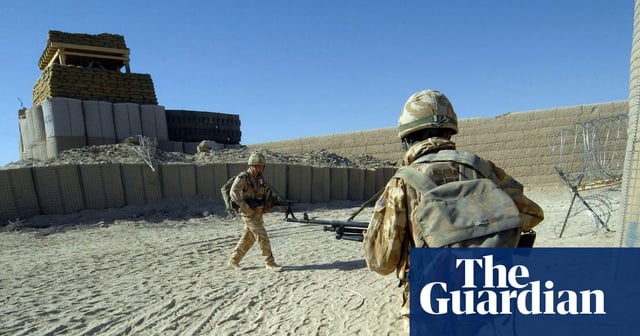
In a sharp critique, Keir Starmer, a prominent international figure, has called out former U.S. President Donald Trump for comments he perceives as undermining the sacrifices made by NATO forces in Afghanistan. The former British leader’s critique came in response to Trump’s statements regarding NATO’s role and efforts in the prolonged Afghan conflict.
Context of Starmer’s Criticism
Keir Starmer’s criticism follows a series of statements by Donald Trump that questioned NATO’s involvement and contributions in Afghanistan. Trump’s remarks, seen by some as undermining the sacrifices of troops from NATO countries, have drawn criticism from many quarters, including political leaders and military veterans. Starmer, known for his outspoken views on international issues, has emphasized the importance of recognizing the efforts and sacrifices made by NATO troops.
The history of NATO’s involvement in Afghanistan is complex and layered. Following the September 11 attacks, NATO member countries, led by the United States, initiated a military presence in Afghanistan aimed at dismantling terrorist networks. Over the next two decades, thousands of troops from NATO countries participated in various military efforts, contributing to both combat and stabilization operations within the region.
The Role of NATO in Afghanistan
NATO’s mission in Afghanistan over the years evolved from combat operations to supporting Afghan security forces in maintaining peace and security. This transition was a crucial phase in NATO’s strategy, ultimately aimed at empowering the Afghan government and its security forces to sustain long-term peace and stability in the region.
The contributions of NATO member countries varied, with significant involvement from nations such as the United Kingdom, Germany, Canada, and France, among others. These nations, alongside the United States, committed troops, resources, and extensive strategic support to ensure the mission’s success. The mission, however, has not been without its controversies and challenges, ranging from political debates over military strategies to the humanitarian impacts of prolonged conflict.
NATO’s Sacrifices and Achievements
- Military Contributions: Over the years, NATO forces played a vital role in combatting terrorist groups and provided training and support to Afghan security forces.
- Humanitarian Efforts: NATO’s presence also involved considerable humanitarian efforts aimed at rebuilding Afghanistan’s infrastructure, including schools, hospitals, and civic institutions.
- Strategic Withdrawals: The eventual strategic withdrawal of NATO forces was meant to ensure a stable handover to Afghan authorities, although the effectiveness of these efforts remains a topic of intense debate.
The broader implications of Trump’s Remarks
Trump’s remarks not only stirred political controversy but also opened up broader discussions surrounding international alliances and commitments. Questions have been raised about the future of transatlantic relations, the role of military alliances in modern conflict resolution, and the legacies of such long-standing military engagements.
Many political analysts argue that remarks undermining international cooperation can have significant geopolitical implications. The solidarity and shared commitment of NATO members have been central to the alliance’s success over the decades. Disparaging comments from prominent figures can, therefore, affect the morale and unity of member countries, potentially influencing future international collaborations.
The criticisms also bring to light the enduring challenges faced by international military coalitions in aligning objectives and executing complex military operations in politically sensitive contexts. Moving forward, the unity and resolve of such alliances in addressing global security threats will likely be tested.
Keir Starmer’s public reprimand underscores the importance of recognizing the contributions of those who have served under difficult circumstances, emphasizing the need for continued respect and acknowledgment of international military efforts.
As debates continue on the legacy of NATO’s intervention in Afghanistan, it remains crucial to keep in perspective the sacrifices made and the broader objectives of such significant geopolitical engagements. The dialogue around these issues is expected to shape future international policy making and military strategy, serving as a testament to the complex nature of global military cooperation.