


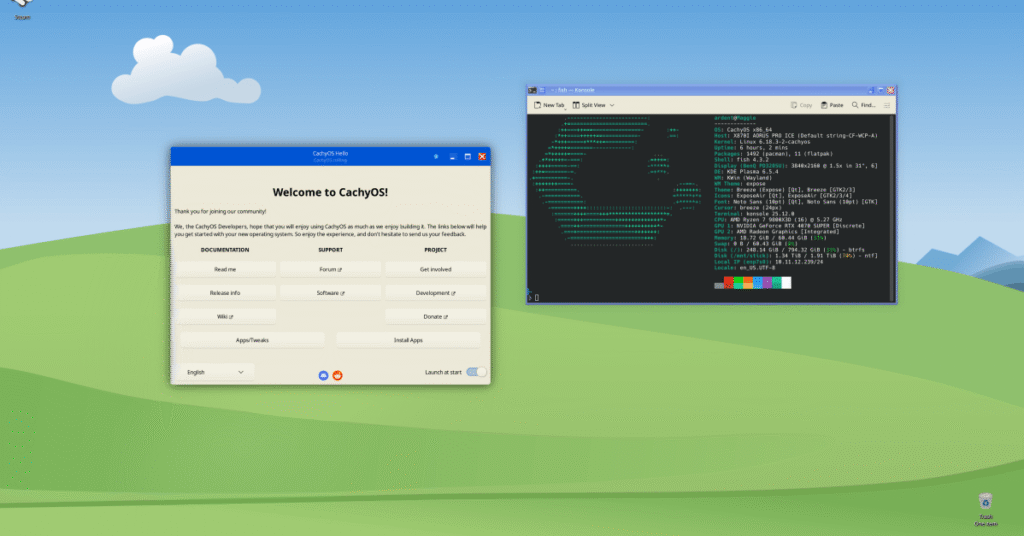
For many dedicated gamers, shifting from a Windows system to a Linux-based setup can seem daunting. The general perception is that open-source platforms come with an array of challenges, particularly when it comes to compatibility and ease of use. However, recent advancements within Linux have made it an increasingly viable option for both everyday computing and high-performance gaming. This article explores the transition process from Windows to Linux, focusing on the gaming experience and overall system performance.
Setting Up the Gaming Environment
The initial step in transitioning from Windows to Linux involves selecting the right distribution. Among the myriad of choices available, many new users gravitate towards Ubuntu due to its user-friendly interface and extensive support community. Settling on a distribution like Ubuntu or Fedora enables users to quickly immerse themselves in the Linux ecosystem without feeling overwhelmed by complexities.
Once the distribution is chosen, setting up the gaming environment is the next critical task. Thanks to the development of tools like Steam’s Proton and Lutris, Linux users can enjoy a seamless gaming experience that rivals traditional Windows setups. Steam has played an essential role in optimizing games for Linux, ensuring that popular titles are playable without sacrificing performance or features.
Installing and Optimizing Games
For gamers worried about installing their favorites, the transition might be smoother than expected. Many titles available on Steam support Linux natively, while others can run effectively through Proton—a compatibility layer that allows Windows games to operate on Linux systems. Additionally, Lutris acts as a powerful game manager, providing scripts and assistance for installing both native and Windows-based games. By utilizing these tools, gamers can breathe life into their libraries without a hitch.
Performance and Compatibility Insights
Contrary to some earlier assumptions, Linux distributions have made significant strides in supporting high-performance gaming. With the help of modern hardware drivers from companies like NVIDIA and AMD, Linux systems now boast strong compatibility with cutting-edge graphics cards and processors. This improvement means visual quality and responsiveness often match those provided by Windows, making Linux a capable platform for serious gamers.
While gaming on Linux has come a long way, certain components still require tweaking for the best possible experience. Individual game settings might need adjustments to optimize frame rates or reduce latency issues. Similarly, users accustomed to specific Windows-only software might need alternative solutions or slight workarounds to achieve the desired performance.
Solution for Multimedia and Peripheral Compatibility
Beyond gaming, a notable concern for potential Linux users is multimedia and peripheral compatibility. Linux’s robust driver support ensures that most peripherals like controllers, mice, and monitors work without complications. Multimedia tasks such as streaming, video editing, and digital art are supported by comprehensive software suites available within the Linux ecosystem, including Blender, GIMP, and DaVinci Resolve.
- For controller support, the Steam client on Linux provides an integrated configuration tool that assists users in setting up their hardware efficiently.
- Key applications for multimedia tasks offer a range of plugins and settings comparable to those on Windows platforms, ensuring minimal disruption when creating content.
User Experience and Community Support
One of the standout benefits of transitioning to Linux is becoming part of its vibrant and enthusiastic community. Unlike proprietary systems where problem-solving is often isolated to forums or customer service, Linux users can access a wealth of knowledge shared willingly by fellow community members. This support network fosters a collaborative environment where users can learn, adapt, and overcome obstacles collectively.
Customization options in Linux are vast, allowing users to tailor their computing experience to their personal preferences. This freedom of choice might initially seem overwhelming to those used to more rigid systems; however, it quickly becomes an empowering aspect of Linux usage. Additionally, the open-source nature of Linux is always evolving, encouraging a sense of participation and investment in the software’s future direction.
Ultimately, moving from Windows to Linux for gaming is not just about embracing a new operating system, but also about joining a dynamic community and adopting a versatile, customizable digital environment. With the right tools and a willingness to explore, gaming on Linux can be as fulfilling and exciting as any experience found on more conventional platforms.
This transformation illuminates how far Linux has come in recent years, reflecting its potential as a formidable contender in the mainstream gaming industry. Users willing to undertake this journey can sidestep previous misconceptions and discover the capabilities residing within this robust, open-source landscape.
, image: https://www.theverge.com/tech/858910/linux-diary-gaming-desktop