


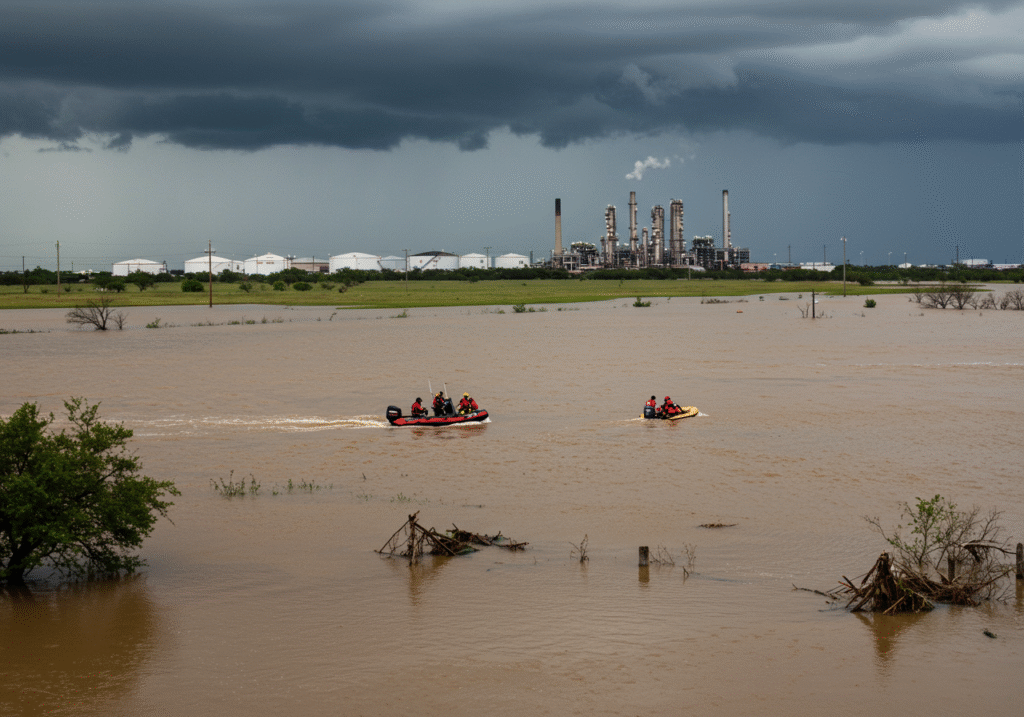
The recent Texas floods have reignited discussions around the impact of environmental policies on natural disaster management and climate change. In recent years, extreme weather conditions have become alarmingly frequent, and it appears that a combination of environmental regulations and historical policy decisions play a significant role in shaping the response effort and mitigation effectiveness for such events.
The most recent deluge has left a trail of destruction across Texas, particularly in areas ill-prepared for such a massive inflow of water. While natural processes undoubtedly contribute to these occurrences, there is ongoing debate on how human interference, particularly policy decisions, exacerbate the consequences of these natural disasters.
Environmental Policy Shifts and Their Consequences
Under the previous administrations, both federal and state policies have seen a pendulum swing between regulatory relaxation and tightening. Each shift has had profound implications on environmental management. Notably, the rollback of regulations during the Trump administration has been a point of contention when discussing current vulnerabilities in the state’s infrastructure and environmental policies.
Proponents of the rollback argue that deregulation spurred economic growth and reduced burdens on businesses. However, critics claim that these changes have left states like Texas more susceptible to the adverse effects of climate change-induced weather patterns.
Reduced regulations in areas such as air pollution control, water quality standards, and flood protection protocols have led to weakened natural defenses against flooding. For instance, infrastructure projects that previously required rigorous environmental impact assessments were often pushed forward with limited oversight, further straining the already vulnerable ecosystems.
Flood Management and Infrastructure Challenges
Infrastructure plays a critical role in flood management and mitigation. It stands as the first line of defense against the destructive power of floods. However, recent reports suggest that much of the infrastructure in Texas is aging and not adequately equipped to handle extreme weather events.
The allocation of federal and state funds toward improving infrastructure has often been a contentious issue. Budget constraints and shifting political priorities frequently impede long-term planning and maintenance efforts, leaving critical systems vulnerable. This shortsightedness becomes starkly apparent during natural disasters, where neglected infrastructure can compound the already devastating impacts of natural events.
The Texas floods highlight the urgent need for investment in resilient infrastructure that can withstand the increasing frequency of extreme weather events. Without significant updates and improvements, the susceptibility of these regions to future flooding events will likely persist.
The Role of Climate Change
There is a scientific consensus that climate change is increasing the intensity and frequency of extreme weather events globally. Texas, with its diverse climate and geographical features, is particularly prone to a wide variety of natural disasters, including floods. The recent deluge serves as a reminder of how interconnected environmental policies and climate change are in shaping disaster outcomes.
Climate scientists have long warned that without substantial emission reductions and proactive environmental leadership, the world would witness severe weather patterns more frequently. In Texas, policymakers face the challenge of balancing economic growth with environmental sustainability to protect vulnerable communities.
The frequency of these events necessitates a reevaluation of current policies to ensure that they reflect the pressing realities of climate change. Strengthening climate resilience through adaptive policies and practices must become a priority for decision-makers at all levels.
Community Impact and Recovery
The social impact of floods is profound, affecting countless lives and disrupting communities. The recent Texas floods have displaced numerous families, destroyed homes, and devastated livelihoods. For many, recovery is an uphill battle that requires a coordinated response from governmental and non-governmental organizations.
The economic aftermath of such events also strains communities, as businesses halt operations and the demand for emergency assistance rises. Practical solutions, including improved zoning laws, insurance regulations, and public education campaigns, can empower communities to better prepare and respond to these disasters.
Moreover, community-based strategies that include local voices in planning and recovery processes are crucial for long-term resilience. By fostering local resilience, communities can better absorb the shocks of future natural disasters, reducing the burden on federal and state emergency resources.
Looking Forward
To mitigate future risks, a multifaceted approach towards climate change and disaster management is necessary. This includes strengthening existing infrastructure, implementing sustainable development policies, and pursuing an aggressive agenda to curb emissions.
Policymakers at both the state and federal level must engage with scientific communities and environmental experts to develop adaptive strategies tailored to local needs and risks. The dynamism of political, economic, and environmental landscapes demands responsive and forward-thinking leadership.
The Texas floods serve as an urgent wake-up call. They underscore the importance of enacting robust environmental policies and resilient infrastructure investments to safeguard against future calamities. For Texas, and indeed the world, the path to sustainability and safety lies in proactive measures guided by science, community involvement, and bipartisan commitment to protecting our planet.