


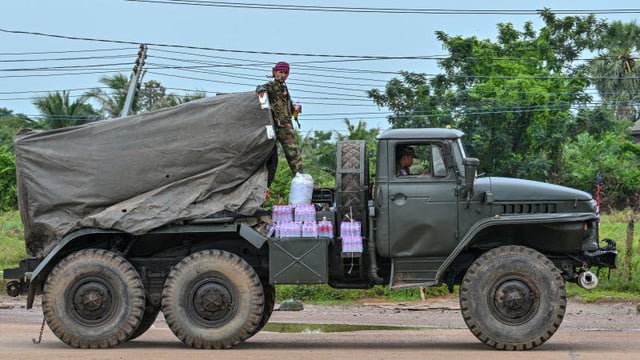
Tensions between Thailand and Cambodia have found a hopeful resolution as both nations agreed to an unconditional ceasefire, starting at midnight. This significant diplomatic achievement aims to quell a recent surge in military clashes along their shared border, which have alarmed the international community and strained bilateral relations.
Background to the Conflict
The conflict between Thailand and Cambodia has historical roots deeply embedded in a series of territorial disputes. The most contentious of these issues revolves around the Preah Vihear Temple, an ancient Hindu temple listed as a UNESCO World Heritage site. The temple’s location has sparked numerous confrontations over the years, as both countries lay claim to the land surrounding it.
In recent weeks, the confrontations between the two Southeast Asian neighbors escalated dramatically, leading to casualties on both sides. The renewed hostilities have raised concerns over regional stability and prompted calls for urgent diplomatic intervention from neighboring countries and international bodies.
Diplomatic Efforts and Ceasefire Agreement
The path to the ceasefire was paved through intensive diplomatic negotiations facilitated by regional organizations and international actors. Both countries’ representatives engaged in dialogue to address the root causes of the conflict, prioritizing the need to maintain peace and stability in the region.
The agreement reached is significant as it is unconditional, indicating a mutual commitment to halting hostilities without requiring pre-conditions that often prove to be stumbling blocks in peace talks. Observers hope that this ceasefire will lead to more comprehensive discussions aimed at resolving the underlying territorial disputes.
Role of International Mediation
International mediation played a crucial role in bringing the two nations to the negotiating table. The Association of Southeast Asian Nations (ASEAN) and influential member states highlighted the need for a peaceful resolution, reiterating the potential repercussions of continued conflict. Their involvement underscores the importance of multilateral efforts in conflict resolution, particularly within the Southeast Asian context where diplomatic relations are intertwined with economic and cultural ties.
Implications for Regional Stability
The agreement between Thailand and Cambodia has wider implications for the region’s stability and can serve as a model for conflict resolution. With the ceasefire in place, there is renewed optimism about fostering better bilateral relations and opening dialogues for peaceful coexistence.
Both nations stand to benefit from this peaceful resolution. Economic cooperation, particularly in trade and tourism, could see a revitalization as tensions ease and normalcy returns to border regions. Furthermore, a successful ceasefire benefits ASEAN’s credibility as a body capable of mediating and facilitating conflict resolution among its member states.
The ceasefire agreement between Thailand and Cambodia marks a pivotal moment in their shared history. While the road to lasting peace may still present challenges, the commitment to halt hostilities is a promising step towards reconciliation and regional harmony. As peace holds, both countries are encouraged to leverage this opportunity to work together, fostering a future where dialogue and cooperation replace discord and conflict.