

I. The Rise of the Hussite Movement: Understanding the Historical Context
The Hussite movement emerged in the early 15th century in the Kingdom of Bohemia, which is present-day Czech Republic. It was a religious and social reform movement that challenged the authority of the Roman Catholic Church and sought to address the grievances of the Czech people. The movement was inspired by the teachings of early reformers, such as John Wycliffe, and gained momentum under the leadership of Jan Hus, a Czech priest and professor.

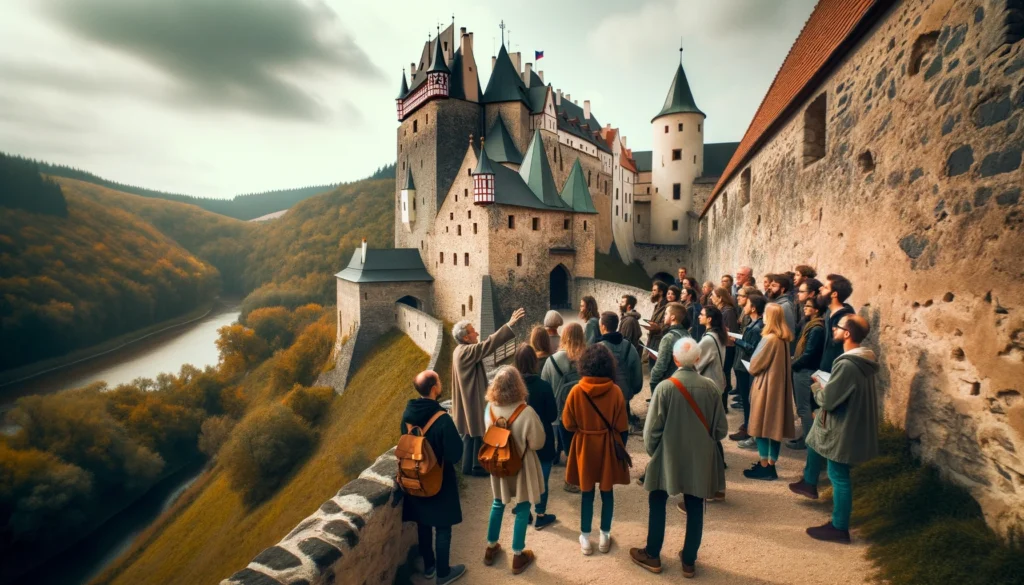
At the heart of the Hussite movement was the desire for religious reform. The Catholic Church had become increasingly corrupt and detached from the spiritual needs of the people. Jan Hus, an influential preacher, criticized the church for its worldly pursuits and called for a return to a more authentic and pure Christianity. His ideas resonated with many Czechs who were discontented with the church’s wealth and power. The Hussite movement quickly gained support from various segments of society, including the nobility and the urban middle class, as well as from those who sought social change.
II. The Hussite Wars: Impact on Czech Fortifications and Castles
One of the most significant impacts of the Hussite Wars on Czech fortifications and castles was the increased emphasis on defensive measures. As the conflict raged on, both sides recognized the strategic importance of fortresses and began to invest heavily in their fortification. This resulted in the development of new defensive strategies and the implementation of innovative architectural features in castle designs.
During the Hussite era, besieging and defending castles became a regular occurrence. The Hussites, known for their effective siege tactics, forced castle owners to equip their strongholds with advanced defensive mechanisms. These included the construction of sturdy walls, fortified gates, and the installation of heavy artillery. The Hussite Wars fundamentally reshaped the landscape of Czech fortifications and castles, turning them into formidable defensive structures that could withstand prolonged sieges and assaults.

III. Defensive Strategies During the Hussite Era: Innovations and Adaptations
Defensive strategies during the Hussite era underwent significant innovations and adaptations in response to the unique challenges and tactics of the movement. One key innovation was the development of mobile fortifications. Recognizing the need for flexibility in their defenses, Hussite forces utilized wagons as movable barriers, constructing rudimentary fortresses from which they could launch attacks or retreat when necessary. These wagons, known as “Wagenburgs,” were positioned in circular or rectangular formations, providing a strong defensive perimeter that could be quickly assembled and disassembled. This innovation allowed the Hussites to effectively counter the traditional siege techniques employed by their opponents.
Another important adaptation was the use of psychological warfare to destabilize enemy forces. The Hussites understood the power of fear and intimidation in warfare and employed various tactics to demoralize their adversaries. They would often display the severed heads of fallen enemies on poles or impale them on spikes, creating a gruesome spectacle that struck terror into the hearts of their opponents. Additionally, they utilized religious zeal and fervor as a psychological weapon, invoking their belief in divine protection and righteousness. This combination of physical fortifications and psychological strategies played a crucial role in the Hussite defensive tactics, allowing them to withstand and repel numerous attacks from their enemies.
IV. The Role of Castles in Hussite Resistance: Strongholds of the Movement
The castles of Czechoslovakia played a crucial role in the Hussite resistance movement during the 15th century. Serving as strongholds of the movement, these fortified structures provided not only physical protection but also served as symbols of defiance against the Catholic Church and the ruling elite.
These castles, strategically located in key regions, were instrumental in the Hussite’s ability to mount a resistance against their adversaries. Acting as centers of command and logistics, the castles served as safe havens for Hussite leaders and their supporters. From these fortified positions, the Hussites could organize their forces, plan military campaigns, and launch surprise attacks against the Catholic forces. The castles also provided an important refuge for the Hussite populations, allowing them to withstand prolonged sieges and repel enemy attacks. The fortified walls and towers of these castles not only withstood enemy assaults but also sent a strong message of resistance and determination to the Catholic Church. The significance of these castles in the Hussite resistance cannot be overstated, as they were instrumental in the successful defense of the movement and played a crucial role in shaping the outcome of the Hussite Wars.
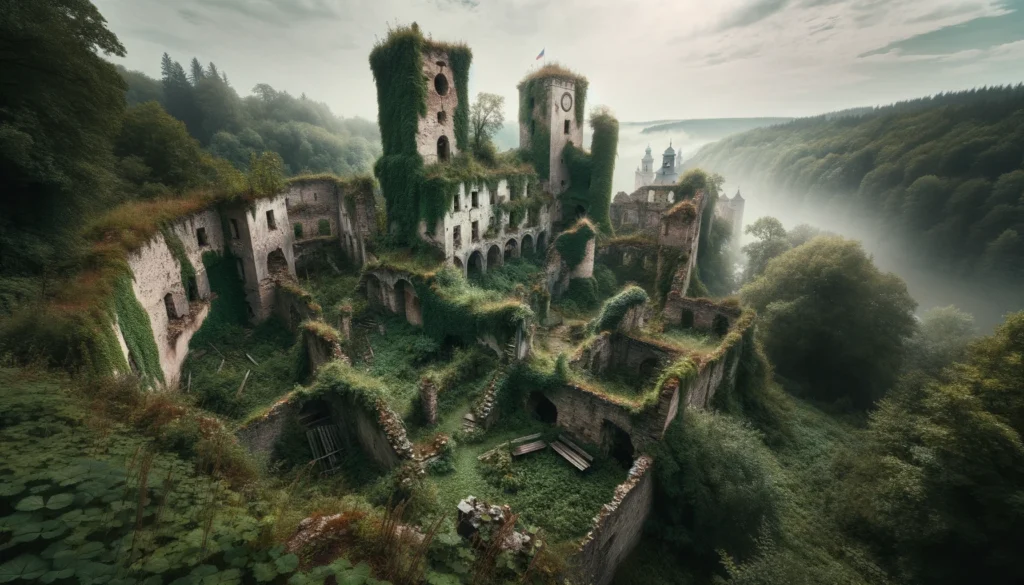
V. Fortifications in Hussite Strongholds: Architectural Features and Designs
Hussite strongholds played a significant role in the defense of the movement, and their architectural features and designs were tailored to meet the specific needs of the time. One notable feature of these fortifications was their strategic location, often positioned in elevated areas such as hills or ridges, providing a tactical advantage for the defenders. Additionally, many of these strongholds were designed to be easily defended, with thick walls, sturdy gates, and multiple layers of defense.
The architectural layout of Hussite strongholds also placed a heavy emphasis on practicality and efficiency. These fortifications featured well-planned internal structures, with separate sections for different purposes such as housing, storage, and military operations. This allowed for better organization and ensured that the strongholds could sustain themselves in times of siege. Furthermore, the inclusion of watchtowers and bastions provided optimal vantage points for the defenders, enabling them to survey the surrounding area and react promptly to any potential threats.
The architectural features and designs of Hussite strongholds showcase the ingenuity and resourcefulness of the movement. Through careful consideration of their location, layout, and structures, the defenders created fortified strongholds that were not only formidable barriers against attackers but also efficient and self-sustaining communities. By understanding these architectural aspects, we can gain a deeper appreciation for the strategic thinking and adaptability that characterized this turbulent period in history.
VI. The Impact of Hussite Siege Tactics on Czech Castles
The Hussite Wars marked a pivotal period in the history of Czech castles, as the Hussite forces employed innovative siege tactics that greatly impacted these fortifications. One of the most prominent tactics utilized by the Hussites was the Wagenburg, a mobile fortress formed by a circle of wagons. This strategy enabled the Hussites to swiftly set up defensive positions and launch effective attacks on the castles they besieged.
In response to the Hussite siege tactics, Czech castles underwent significant modifications to strengthen their defenses. Many castles began incorporating circular ramparts and stone bastions, inspired by the Wagenburg formations. These additions enhanced the castle’s ability to withstand the Hussite onslaught, as the circular layout allowed for better defense against the attacks from all directions. Additionally, the construction of deep moats and drawbridges became more common, further complicating the Hussite attempts to breach the castle walls. The impact of Hussite siege tactics on Czech castles was profound, leading to the development of new defensive strategies and fortification designs that would leave a lasting legacy.
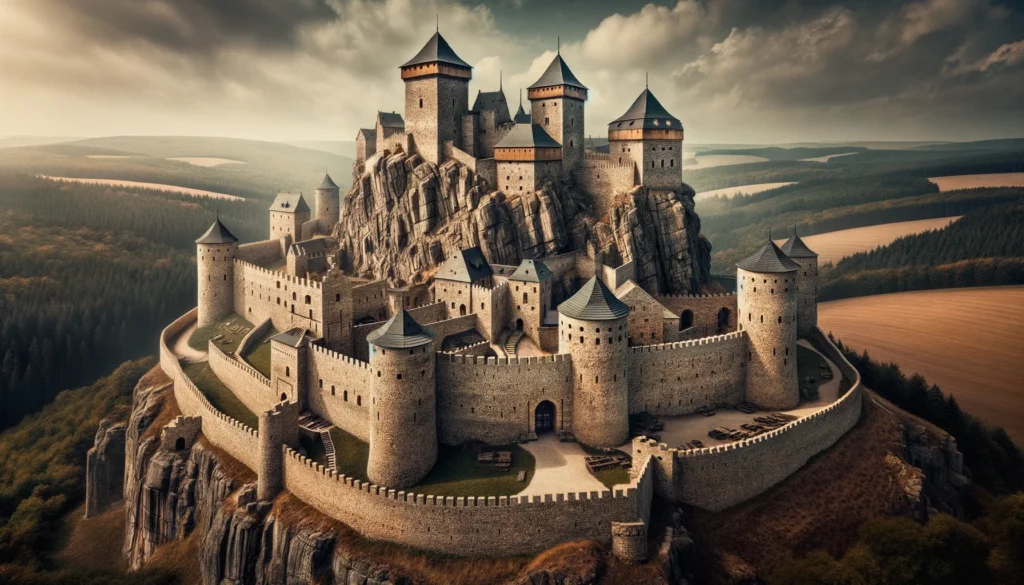
VII. The Legacy of Jan Žižka: Fortifications and Castles Named in His Honor
Jan Žižka, the legendary military leader of the Hussite movement, left a lasting legacy that extended beyond his remarkable achievements on the battlefield. In tribute to his unwavering courage and strategic brilliance, numerous fortifications and castles were named in his honor. These structures not only served as physical reminders of his indomitable spirit but also acted as symbolic manifestations of the Hussite ideals.
One such castle is the Žižkov Tower, located in Prague, which was named after Jan Žižka in recognition of his pivotal role in the Hussite Wars. Standing at an impressive height of 216 meters, the Žižkov Tower dominates the city skyline, a towering testament to Žižka’s enduring legacy. The castle’s strategic location provided a strategic advantage during the Hussite era, as it offered a vantage point for monitoring and defending the city. Today, the Žižkov Tower stands as a popular tourist attraction, attracting visitors from around the world who come to admire its architectural grandeur and pay homage to the fearless leader it is named after.
In addition to the Žižkov Tower, there are several other fortifications and castles scattered throughout the Czech Republic that bear Jan Žižka’s name. The Jan Žižka Memorial, located in the city of Tábor, is another remarkable tribute to this esteemed leader. This fortress-like structure, surrounded by thick defensive walls, not only serves as a memorial to Jan Žižka but also serves as a museum, displaying artifacts and exhibits that showcase his extraordinary life and the impact he had on the Hussite movement. The Jan Žižka Memorial stands as a constant reminder of Žižka’s unwavering determination and the significant role he played in shaping Czech history.
VIII. The Influence of Hussite Ideology on Castle Construction and Defense
The ideology of the Hussite movement had a profound impact on the construction and defense of castles during this tumultuous era. One of the key principles of Hussitism was the promotion of equality and the rejection of social hierarchy. This ideology influenced the design and layout of castles, with a focus on creating spaces that facilitated collective decision-making and democratic governance.
In terms of construction, Hussite ideologues advocated for castles that were more accessible and open to the public. This meant that traditional features such as moats and drawbridges were often eliminated or modified to allow for easier entry and exit. Instead, emphasis was placed on creating interconnected spaces that fostered a sense of community and collective ownership. Defensive structures were integrated into the overall design, with towers and walls strategically placed to allow for effective defense while still maintaining a sense of openness and accessibility.
IX. The Aftermath of the Hussite Era: Restorations and Modifications to Fortifications and Castles
Restorations and modifications to fortifications and castles in the aftermath of the Hussite era played a crucial role in preserving the architectural heritage of Czech lands. The destructive Hussite Wars had left numerous castles in ruins and fortifications in disrepair. However, as peace gradually returned to the region, efforts were made to restore and renovate these structures to reflect their former grandeur.
The process of restoration involved considerable skill and expertise, as architects and engineers worked diligently to revive the castles and fortifications to their pre-war state. Ruined walls were rebuilt, damaged towers were reconstructed, and defensive features were reinforced. The aim was not only to restore the physical integrity of these structures but also to retain their historical significance.
X. Preserving the Heritage: Modern Efforts to Protect and Showcase Hussite Fortifications and Castles
In recent years, there has been a growing recognition of the importance of preserving and showcasing the heritage of Hussite fortifications and castles. Efforts have been made by both government organizations and non-profit groups to protect and maintain these historical sites.
One such initiative is the establishment of preservation societies dedicated to the conservation of Hussite fortifications and castles. These societies work closely with local communities and experts in the field to ensure that these structures are properly maintained and protected. They also collaborate with educational institutions to develop programs and workshops aimed at raising awareness about the historical significance of these sites. Through these efforts, they hope to foster a sense of pride and appreciation among the local population, as well as attract tourists who are interested in learning more about this fascinating chapter in Czech history.
Another important aspect of preserving the heritage of Hussite fortifications and castles is the development of tourism infrastructure. Many of these sites are located in remote areas, making it challenging for visitors to access them. To address this issue, transportation facilities have been improved, and guided tours are organized to allow visitors to explore these historical sites in a safe and informative manner. Moreover, modern technologies such as virtual reality and augmented reality have been utilized to enhance the visitor experience, providing interactive presentations and immersive storytelling to bring the history of the Hussite movement to life. These efforts not only contribute to the preservation of these sites but also promote cultural tourism, benefiting the local economy.